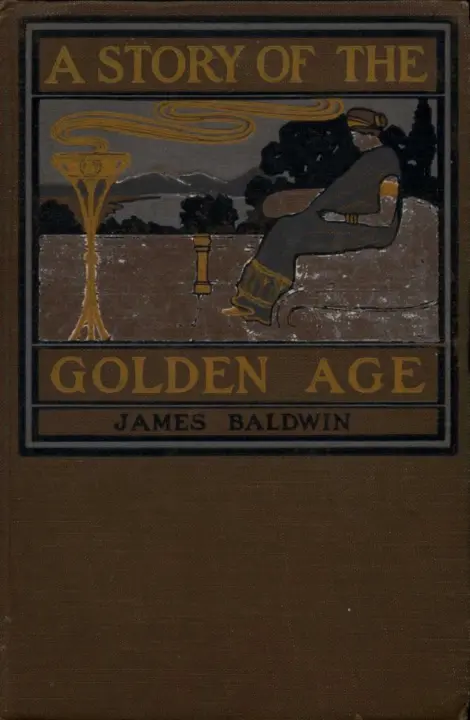
A Story of the Golden Age
James Baldwin
THE CLASSIC COLLECTION · 1892
"Six Centuries of English Poetry: Tennyson to Chaucer" by James Baldwin is a comprehensive anthology of Classic English poetry spanning from the 14th to the 19th century. Written in the late 19th century, this work is part of a series aimed at education, designed for students and teachers to explore notable English literary pieces alongside critical annotations and historical context. The book features selections from renowned poets like Tennyson, Wordsworth, and Chaucer, offering readers an insight into the evolution of English poetic expression through various eras. At the start of the anthology, Baldwin introduces the reader to the historical development of English poetry, suggesting that its roots trace back hundreds of years before Chaucer. He elaborates on the influence of earlier poets and the transition of language, connecting these historical elements to the richness found in later works. Baldwin points out the significance of understanding poetry not just as a literary form but as a reflection of cultural and historical shifts, emphasizing the importance of familiarizing oneself with poetic creations to appreciate their beauty fully. The opening sets a scholarly tone while making an engaging argument for the study of poetry as a vital component of English literature.
Introduction adapted from the source catalogue; source summaries may be automatically generated.
Free to read · English · 75,364 words · No account needed
MAKE TIME FOR A GOOD BOOK
On by default. Untick to stop anonymous reading totals. Each page counts after 10 seconds in view. How this works.
Anonymous counting is on unless you have switched it off.
Whan that Aprille with his schowrës swoote
The drought of Marche had perced to the roote,
And bathed every veyne in swich licour,
Of which vertue engendred is the flour;
Whan Zephirus eek with his swetë breethe
Enspired hath in every holte and heethe
The tendre croppës, and the yongë sonne
Hath in the Ram{1} his halfë cours i-ronne,{2}
And smalë fowlës maken melodie,
That slepen al the night with open eye,
So priketh hem nature in here corages:--
Than longen folk to gon on pilgrimages,
And palmers for to seeken{3} straungë strondes,
To fernë halwes, kouthe in sondry londes;
And specially, from every schirës ende
Of Engelond, to Caunterbury they wende,
The holy blisful martir{4} for to seeke,
That hem hath holpen whan that they were seeke.{5}
Byfel that, in that sesoun on a day,
In Southwerk at the Tabard{6} as I lay,
Redy to wenden on my pilgrimage
To Caunterbury with ful devout corage,
At night was come into that hostelrye
Wel nyne and twenty in a compainye,
Of sondry folk, by aventure i-falle
In felaweschipe, and pilgryms were thei alle,
That toward Caunterbury wolden ryde;
The chambres and the stables{7} weren wyde,
And wel we werën esed attë beste.
And schortly, whan the sonnë was to reste,
So hadde I spoken with hem everychon,
That I was of here felaweschipe anon,
And madë forward erly for to ryse,
To take our wey ther as I yow devyse.
But nathëles, whil I have tyme and space,
Or{8} that I forther in this talë pace,
Me thinketh it acordaunt to resoun,
To tellë yow al the condicioun{9}
Of eche of hem, so as it semede me,
And whiche they weren, and of what degre;
And eek in what array that they were inne:
And at a knight than wol I first bygynne.
A KNIGHT ther was, and that a worthy man,
That from the tymë that he first bigan
To ryden out, he lovede chyvalrye,{10}
Trouthe and honour, fredom and curteisye.
Ful worthy was he in his lordës werre,
And therto hadde he riden, noman ferre,
As wel in Cristendom as in hethënesse,{11}
And evere honoured for his worthinesse.
At Alisaundre{12} he was whan it was wonne,
Ful oftë tyme he hadde the bord bygonne{13}
Aboven allë naciouns in Pruce.{14}
In Lettowe hadde he reysed and in Ruce,
No cristen man so ofte of his degre.
In Gernade{15} attë siegë hadde he be
Of Algesir, and riden in Belmarie.
At Lieys was he, and at Satalie,
Whan they were wonne; and in the Greetë see{16}
At many a noble arive hadde he be.
At mortal batailles hadde he ben fiftene,
And foughten for our feith at Tramassene
In lystës thriës, and ay slayn his foo.
This ilkë worthy knight hadde ben also
Somtymë with the lord of Palatye,{17}
Ageyn another hethen in Turkye:
And evermore he hadde a sovereyn prys.
And though that he was worthy, he was wys,
And of his port as meke as is a mayde.
He nevere yit no vileinye ne sayde
In al his lyf, unto no maner wight.{18}
He was a verray perfight gentil knight.
But for to tellen you of his array,
His hors was good, but he ne was nought gay.
Of fustyan he werede a gepoun
Al bysmotered with his habergeoun.
For he was late ycome from his viage,
And wentë for to doon his pilgrimage.
With him ther was his sone, a yong SQUYER,
A lovyere, and a lusty bacheler,{19}
With lokkës crulle as they were leyd in presse.
Of twenty yeer of age he was, I gesse.
Of his stature he was of even lengthe,
And wonderly delyver, and gret of strengthe.
And he hadde ben somtyme in chivachye,
In Flaundres, in Artoys, and Picardye,
And born him wel, as of so litel space,
In hope to stonden in his lady grace.
Embrowded was he, as it were a mede
Al ful of fresshë floures, white and reede.
Syngynge he was, or floytynge,{20} al the day;
He was as fressh as is the moneth of May.
Schort was his goune, with sleevës longe and wyde.
Wel cowde he sitte on hors, and fairë ryde.
He cowdë songës make and wel endite,
Juste and eek daunce, and wel purtreye and write.
So hote he lovedë, that by nightertale
He sleep nomore than doth a nightyngale.
Curteys he was, lowly, and servysable,
And carf byforn his fader at the table.
A YEMAN hadde he,{21} and servaunts nomoo
At that tyme, for him lustë rydë soo;
And he was clad in coote and hood of grene.
A shef of pocok arwës{22} brighte and kene
Under his belte he bar ful thriftily.
Wel cowde he dresse his takel yemanly;
His arwes drowpede nought with fetheres lowe.
And in his hond he bar a mighty bowe
A not-heed hadde he with broun visage.
Of woodë-craft wel cowde he al the usage.
Upon his arm he bar a gay bracer{23}
And by his side a swerd and a bokeler,
And on that other side a gay daggere,
Harneysed wel, and scharp as poynt of spere;
A Cristofre{24} on his brest of silver schene.
An horn he bar, the bawdrik was of grene;
A forster was he sothly, as I gesse.
Ther was also a Nonne, a PRIORESSE,
That of hire smylyng was ful symple and coy;
Hire grettest ooth ne was but by seynt Loy{25};
And sche was cleped madame Eglentyne.
Ful wel sche sang the servisë divyne,
Entuned in hire nose ful semëly;
And Frensch sche spak ful faire and fetysly,
After the scole of Stratford attë Bowe,
For Frensch of Parys was to hire unknowe.
At metë wel i-taught was sche withalle;
Sche leet no morsel from hire lippës falle,
Ne wette hire fyngres in hire saucë deepe.
Wel cowde sche carie a morsel, and wel keepe,
That no dropë ne fille upon hire breste.
In curteisie was set ful moche hire leste.
Hire overlippë wypede sche so clene,
That in hire cuppë was no ferthing sene
Of grecë, whan sche dronken hadde hire draughte.
Ful semëly after hir mete sche raughte,
And sikerly sche was of gret disport,{26}
And ful plesaunt, and amyable of port,
And peynede hir to countrefetë cheere
Of court, and ben estatlich of manere,
And to ben holden digne of reverence.
But for to speken of hir conscience,
Sche was so charitable and so pitous,
Sche woldë weepe if that sche saw a mous
Caught in a trappe, if it were deed or bledde.
Of smalë houndës hadde sche, that sche fedde
With rosted flessh, or mylk and wastel breed.
But sore weep sche if oon of hem were deed,
Or if men{27} smot it with a yerdë smerte:
And al was conscience and tendre herte.
Ful semëly hire wympel i-pynched was;
Hir nose tretys; hir eyën greye as glas;
Hir mouth ful smal, and therto softe and reed
But sikerly sche hadde a fair forheed.
It was almost a spannë brood, I trowe;
For hardily sche was not undergrowe.
Ful fetys was hir cloke, as I was war.
Of smal coral aboute hir arm sche bar
A peire of bedës gauded al with grene;
And theron heng a broch of gold ful schene,
On which was first i-write a crownëd A,
And after, Amor vincit omnia.{28}
Another NONNE with hir haddë sche,
That was hir chapeleyne,{29} and PRESTES thre.
A MONK ther was, a fair for the maistryë,{30}
An out-rydere, that lovedë veneryë;
A manly man, to ben an abbot able.
Ful many a deynté hors hadde he in stable:
And whan he rood, men mighte his bridel heere
Gynglen in a whistlyng wynd as cleere,
And eek as lowde as doth the chapel belle.
Ther as this lord was kepere of the celle,
The reule of seynt Maure or of seint Beneyt,
Bycause that it was old and somdel streyt,
This ilkë monk leet oldë thingës pace,
And held after the newë world the space.
He yaf nat of that text a pullëd hen,{31}
That seith, that hunters been noon holy men;
Ne that a monk, whan he is recchëles
Is likned to a fissch that is waterles{32};
This is to seyn, a monk out of his cloystre.
But thilkë text held he not worth an oystre.
And I seide his opinioun was good.
What{33} schulde he studie, and make himselven wood,{34}
Upon a book in cloystre alway to powre.
Or swynkë with his handës, and laboure,
As Austyn bit? How schal the world be servëd?
Lat Austyn have his swynk to him reservëd.
Therfor he was a pricasour aright;
Greyhoundes he hadde as swifte as fowel in flight;
Of prikyng and of huntyng for the hare
Was al his lust, for no cost wolde he spare.{35}
I saugh his slevës purfiled attë honde
With grys, and that the fyneste of a londe.
And for to festne his hood under his chynne
He hadde of gold y-wrought a curious pynne:
A love-knot in the grettere ende ther was.
His heed was balled, that schon as eny glas,
And eek his face, as he hadde ben anoynt.
He was a lord ful fat and in good poynt;
His eyën steepe, and rollyng in his heede,
That stemëde as a forneys of a leede;{36}
His bootës souple, his hors in gret estat.
Now certeinly he was a fair prelat;
He was not pale as a for-pyned goost.
A fat swan lovede he best of eny roost.
His palfrey was as broun as is a berye.
A FRERE there was, a wantown and a merye,
A lymytour,{37} a ful solempnë man.
In alle the ordres foure{38} is noon that can
So moche of daliaunce and fair langage.
He hadde i-mad ful many a mariage
Of yongë wymmen, at his owën cost.
Unto his ordre he was a noble post.{39}
Ful wel biloved and famulier was he
With frankeleyns{40} over-al in his cuntre,
And eek with worthy wommen of the toun:
For he hadde power of confessioun,
As seyde himself, morë than a curat,
For of his ordre he was licentiat.{41}
Ful swetëly herde he confessioun,
And plesaunt was his absolucioun;
He was an esy man to yeve penaunce
Ther as he wistë han{42} a good pitaunce;
For unto a poure ordre for to yive
Is signë that a man is wel i-schrive.
For if he yaf, he dorstë make avaunt,
He wistë that a man was repentaunt.
For many a man so hard is of his herte,
He may not wepe although him sorë smerte.
Therfore in stede of wepyng and preyeres,
Men{43} moot yive silver to the pourë freres.
His typet was ay farsëd ful of knyfes
And pynnës, for to yivë fairë wyfes.
And certeynly he hadde a mery note;
Wel couthe he synge and pleyen on a rote.
Of yeddynges he bar utterly the prys.
His nekkë whit was as the flour-de-lys.
Therto he strong was as a champioun.
He knew the tavernes wel in every toun,
And everych hostiler and tappestere,
Bet then a lazer, or a beggestere,
For unto such a worthy man as he
Acorded not, as by his faculté,
To han with sikë lazars aqueyntaunce.
It is not honest, it may not avaunce,
For to delen with no such poraille,
But al with riche, and sellers of vitaille.{44}
And overal, ther as profyt schulde arise,
Curteys he was, and lowly of servyse.
Ther nas no man nowher so vertuous.
He was the bestë beggere in his hous,
For though a widewe haddë noght oo schoo,
So plesaunt was his In principio,{45}
Yet wolde he have a ferthing or he wente.
His purchas{46} was wel better than his rente.
And rage he couthe as it were right a whelpe,
In lovë-dayës{47} couthe he mochel helpe.
For ther he was not lik a cloysterer,
With a thredbare cope as is a poure scoler,
But he was lik a maister or a pope.
Of double worsted was his semy-cope,
That rounded as a belle out of the presse.
Somwhat he lipsede, for his wantownesse,
To make his Englissch swete upon his tunge;
And in his harpyng, whan that he hadde sunge
His eyën twynkled in his heed aright,
As don the sterrës in the frosty night.
This worthy lymytour was cleped Huberd.
A MARCHAUNT was ther with a forkëd berd,
In mottëleye, and hign on hors he sat,
Upon his heed a Flaundrisch bevere hat;
His botës clapsed faire and fetysly.
His resons he spak ful solempnëly,
Sownynge alway the encres of his wynnynge.
He wolde the see were kept for{48} eny thinge
Betwixë Middelburgh and Orëwelle.
Wel couthe he in eschaungë scheeldës{49} selle.
This worthi man ful wel his wit bisette;
Ther wistë no wight that he was in dette,
So estatly was he of governaunce,
With his bargayns, and with his chevysaunce
For sothe he was a worthy man withalle,
But soth to sayn, I not how men him calle.
A CLERK ther was of Oxenford{50} also,
That unto logik haddë longe i-go.
As lenë was his hors as is a rake,
And he was not right{51} fat, I undertake;
But lokëde holwe, and therto soberly.
Ful thredbar was his overest courtepy.
For he hadde geten him yit no benefice,
Ne was so worldly for to have office.
For him was levere have at his beddës heede
Twenty bookës, clad in blak or reede,
Of Aristotle and his philosophyë,
Then robës riche, or fithel, or gay sawtryë.{52}
But al be that he was a philosophre,
Yet haddë he but litel gold in cofre;
But al that he mighte of his frendës hente,
On bookës and on lernyng he it spente,
And busily gan for the soulës preye
Of hem that yaf him wherwith to scoleye;
Of studie took he most cure and most heede.
Not oo word spak he morë than was neede,
And that was seid in forme and reverence
And schort and quyk, and ful of high sentence.
Sownynge{53} in moral vertu was his speche,
And gladly wolde he lerne, and gladly teche.
Your reading position is saved on this browser. Take it to another device with a library code. Reading pages adapt to text, rather than matching a printed edition.
James Baldwin
James Baldwin
James Baldwin
James Baldwin
BEHIND THE BOOK
This eBook is for the use of anyone anywhere in the United States and most other parts of the world at no cost and with almost no restrictions whatsoever. You may copy it, give it away or re-use it under the terms of the Project Gutenberg License included with this eBook or online at www.gutenberg.org. If you are not located in the United States, you will have to check the laws of the country where you are located before using this eBook. Read the source licence.
The original source file, including credits and licence, is retained by this library. Request an original-format copy at no charge. Please include the book title and Project Gutenberg identifier #30235.
KEEP YOUR CURIOSITY GOING

Eric Mackay
Edmund Gosse
Sophia Margaretta Hensley
Gilbert Parker
George MacDonald

Elizabeth Bibesco