THE CLASSIC COLLECTION✦Aubrey BeardsleyCLASSIC FREE BOOKS
Aubrey Beardsley
Haldane Macfall
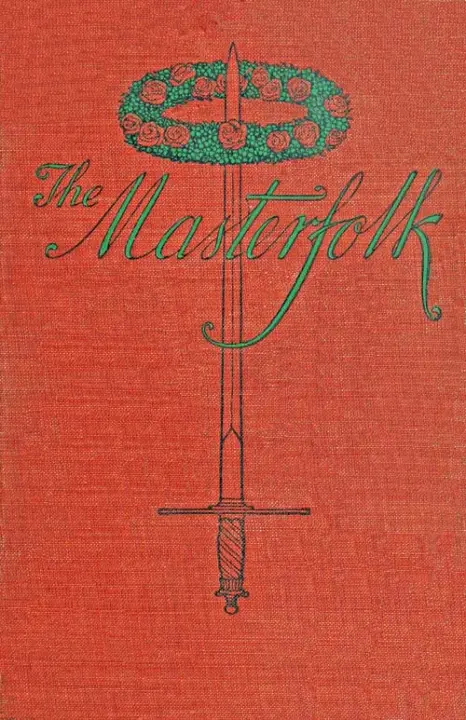
THE CLASSIC COLLECTION · 1903
"The Masterfolk" by Haldane MacFall is a novel written in the early 20th century. The story appears to center around the literary world, delving into the lives and struggles of a group of characters involved in a struggling publication. Two primary characters, Netherby Gomme, a humorist and the editor’s son Oliver Baddlesmere, navigate their way through the complexities of writing, social expectations, and personal aspirations amidst the backdrop of early 1900s British society. The opening of the novel introduces readers to the dingy editorial office where Netherby Gomme, characterized as a gaunt and serious youth, works diligently on his writing while mentoring his younger colleague, Oliver. The tone is both humorous and reflective as they discuss various humorous topics and the challenges facing them in the literary industry. The narrative offers glimpses into their personalities and their surroundings, highlighting the tension between ambition and reality, as well as the struggles of lesser-known writers striving for recognition. As the characters interact, they reveal layers of camaraderie and concern, setting the stage for deeper exploration of themes related to artistry and societal expectations throughout the story.
Introduction adapted from the source catalogue; source summaries may be automatically generated.
Free to read · English · 167,429 words · No account needed
MAKE TIME FOR A GOOD BOOK
On by default. Untick to stop anonymous reading totals. Each page counts after 10 seconds in view. How this works.
Anonymous counting is on unless you have switched it off.
In the waning of a bleak March day, Betty walked briskly home to her rooms. It was the eve of her marriage. Noll and she were to go to Paris straight from the ceremony. Betty had the tickets for the journey in her pocket. Horace had secured them lodgings.
When the girl had entered the house, mounting the stairs to her attic, she felt a pang. She was going to a glorious life, and leaving the old home to increasing dinginess--it would become shabbier and more shabby; whilst she--stepped it blithely to the seven heavens.
And the little faded Miss Flora! Who was to tend her?...
The mirth went out of her heart.
Someone must always suffer.
She stopped at the door, and knocked.
She had some flowers at her belt--she would leave them for the little lady--she must see her again before she went. More----
She must break the tidings.
She knocked again--the knock of indecision.
Not a sound.
She opened the door gently, and entered.
In the room, in her old-world taffeta-covered chair, before the fire, very still, sat Miss Flora Jennyns; and the girl knew by the quick instinct within her that Death waited at the window.
About the narrow shoulders was drawn the India shawl, the weary hand holding the overlapping ends at the withered throat; and on the third finger of the hand was the ring of splendid jewels that sparkled in paint in the picture beyond her.
Here was the picture--grown old--vanishing.
And the old shoe that peeped from the crumpled threadbare skirts upon the quaint old wool-worked footstool--ah, how shabby! worn with careful brushings--of what gentle uncomplaining penury were these things not sign and emblem!
So she sat, fading away in the winter’s light, her dying eyes on the fire’s warmth, and her lips smiling on her little triumphs of long ago--a little withered roseleaf, blown across the footlights of the world’s rude theatre.
Betty ran to her, knelt down beside her, and touched the pale white hand that lay upon the chair’s arm:
“Miss Flora!” she whispered in a strange wonder and alarm.
“Mother of God!” the old lady’s lips murmured--“the child is come!”
She smiled; put out her slender bloodless fingers, and placed them upon the girl’s fresh brown hair:
“Dear sweet heart!” said she--“in my love for thee, and in thy gentleness to me, I have known something of motherhood.... I have not--been--wholly--barren.”
Betty took the bloodless hand between hers, kissed it and chafed it. It was very cold. She could not speak for tears.
The old eyes smiled upon the girl. After a while the dying poetess
added:
Your reading position is saved on this browser. Take it to another device with a library code. Reading pages adapt to text, rather than matching a printed edition.
Haldane Macfall
Haldane Macfall
Haldane Macfall
Haldane Macfall
BEHIND THE BOOK
This eBook is for the use of anyone anywhere in the United States and most other parts of the world at no cost and with almost no restrictions whatsoever. You may copy it, give it away or re-use it under the terms of the Project Gutenberg License included with this eBook or online at www.gutenberg.org. If you are not located in the United States, you will have to check the laws of the country where you are located before using this eBook. Read the source licence.
The original source file, including credits and licence, is retained by this library. Request an original-format copy at no charge. Please include the book title and Project Gutenberg identifier #61754.
KEEP YOUR CURIOSITY GOING
Coulson Kernahan

Maurice Baring
Frances Wright
Cécile Tormay

Frederic Jesup Stimson

W. H. P. (William Henry Pope) Jarvis