THE CLASSIC COLLECTION✦Aubrey BeardsleyCLASSIC FREE BOOKS
Aubrey Beardsley
Haldane Macfall
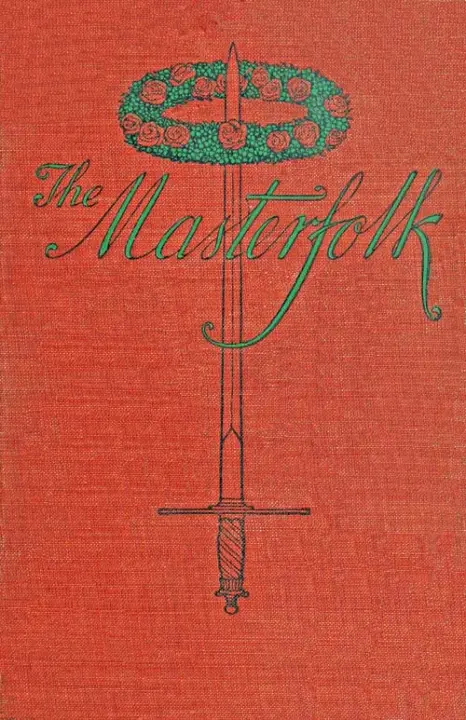
THE CLASSIC COLLECTION · 1903
"The Masterfolk" by Haldane MacFall is a novel written in the early 20th century. The story appears to center around the literary world, delving into the lives and struggles of a group of characters involved in a struggling publication. Two primary characters, Netherby Gomme, a humorist and the editor’s son Oliver Baddlesmere, navigate their way through the complexities of writing, social expectations, and personal aspirations amidst the backdrop of early 1900s British society. The opening of the novel introduces readers to the dingy editorial office where Netherby Gomme, characterized as a gaunt and serious youth, works diligently on his writing while mentoring his younger colleague, Oliver. The tone is both humorous and reflective as they discuss various humorous topics and the challenges facing them in the literary industry. The narrative offers glimpses into their personalities and their surroundings, highlighting the tension between ambition and reality, as well as the struggles of lesser-known writers striving for recognition. As the characters interact, they reveal layers of camaraderie and concern, setting the stage for deeper exploration of themes related to artistry and societal expectations throughout the story.
Introduction adapted from the source catalogue; source summaries may be automatically generated.
Free to read · English · 167,429 words · No account needed
MAKE TIME FOR A GOOD BOOK
On by default. Untick to stop anonymous reading totals. Each page counts after 10 seconds in view. How this works.
Anonymous counting is on unless you have switched it off.
A door opened, and the echoing tramp of feet on the carpetless boards of the corridor outside ushered the entrance of two men into a large room, wholly devoid of furnishment--the plaster of its walls as bare as its ceiling and floor.
The short, stout, red-faced man shut the door with a slam that resounded through the empty place, thrust his thumbs in the armholes of his waistcoat, and said with pride:
“Now, sir; how do you call that for a stoodio!”
In the fading daylight the younger man, dandified, self-possessed, deliberate, dressed in the severest high fashion of the day, stepped to the end of the great empty place and surveyed it calmly:
“Ah, Mr. Malahide--it is the sort of room I should delight to furnish as I liked--and then live in it,” he said; and he sighed: “I have the palatial instincts.”
He spoke with a charm of accent and of manner that drew the frank admiration of the vulgar other; indeed, the stout Mr. Malahide was looking at a handsome young Englishman in all the first graceful vigour of early manhood--for Bartholomew Doome’s lithe slender build gave him an easy carriage of the body that told of well-knit strength, and put aside the hint of effeminacy suggested by the great beauty of the head. As the stout man had said to his wife this very morning: “You could find it in your heart to stroke him down with yer ’and, like a dam race-’orse.”
Mr. Malahide pushed his silk hat back upon his florid head and looked thereby even more vulgar than his Maker had intended him:
“Well,” said he--“ye like it, eh, sir?”
The smile still flickered about Bartholomew Doome’s lips:
“May I ask, Mr. Malahide,” he said drily--“what I am doing here?”
The fat little man kicked out his legs:
“That’s just it, sir,” said he--“that’s just it. Well, you see, it’s this way. Now, Mr. Doome, I’m a pretty good-hearted, but rather damn vulgar man----”
He waited patiently for an answer.
Doome looked at him steadily:
“Yes,” said he--“by the splendour of God, you are.”
“Good. Now, sir, I’ve made my bit of money in the house-furniture business already; but Tankerton Wollup he’s at the top; and he’s dead sure to become a bloomin’ baronet; and he’s as vulgar as I am.”
He paused, eyeing the floor at his feet, meditatively.
Doome nodded:
“I will only interrupt you to question the accuracy of your statements, Mr. Malahide,” he said grimly.
Pompey Malahide laughed:
Your reading position is saved on this browser. Take it to another device with a library code. Reading pages adapt to text, rather than matching a printed edition.
Haldane Macfall
Haldane Macfall
Haldane Macfall
Haldane Macfall
BEHIND THE BOOK
This eBook is for the use of anyone anywhere in the United States and most other parts of the world at no cost and with almost no restrictions whatsoever. You may copy it, give it away or re-use it under the terms of the Project Gutenberg License included with this eBook or online at www.gutenberg.org. If you are not located in the United States, you will have to check the laws of the country where you are located before using this eBook. Read the source licence.
The original source file, including credits and licence, is retained by this library. Request an original-format copy at no charge. Please include the book title and Project Gutenberg identifier #61754.
KEEP YOUR CURIOSITY GOING
Coulson Kernahan

Maurice Baring
Frances Wright
Cécile Tormay

Frederic Jesup Stimson

W. H. P. (William Henry Pope) Jarvis