THE CLASSIC COLLECTION✦Aubrey BeardsleyCLASSIC FREE BOOKS
Aubrey Beardsley
Haldane Macfall
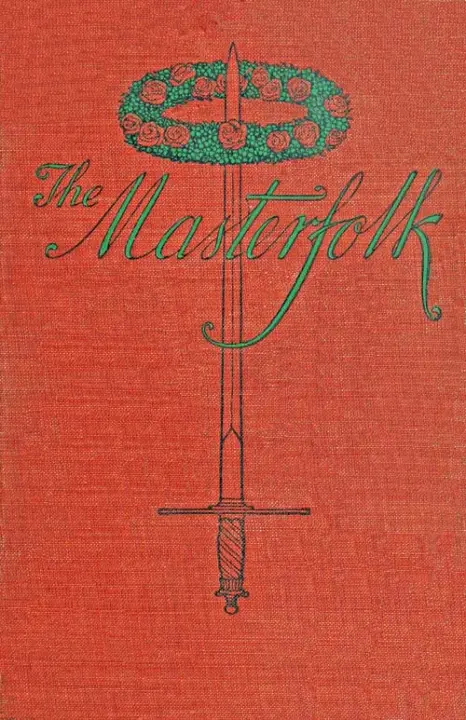
THE CLASSIC COLLECTION · 1903
"The Masterfolk" by Haldane MacFall is a novel written in the early 20th century. The story appears to center around the literary world, delving into the lives and struggles of a group of characters involved in a struggling publication. Two primary characters, Netherby Gomme, a humorist and the editor’s son Oliver Baddlesmere, navigate their way through the complexities of writing, social expectations, and personal aspirations amidst the backdrop of early 1900s British society. The opening of the novel introduces readers to the dingy editorial office where Netherby Gomme, characterized as a gaunt and serious youth, works diligently on his writing while mentoring his younger colleague, Oliver. The tone is both humorous and reflective as they discuss various humorous topics and the challenges facing them in the literary industry. The narrative offers glimpses into their personalities and their surroundings, highlighting the tension between ambition and reality, as well as the struggles of lesser-known writers striving for recognition. As the characters interact, they reveal layers of camaraderie and concern, setting the stage for deeper exploration of themes related to artistry and societal expectations throughout the story.
Introduction adapted from the source catalogue; source summaries may be automatically generated.
Free to read · English · 167,429 words · No account needed
MAKE TIME FOR A GOOD BOOK
On by default. Untick to stop anonymous reading totals. Each page counts after 10 seconds in view. How this works.
Anonymous counting is on unless you have switched it off.
A bottle-necked man with a shapeless head, colourless hair, and a fat puffy underlip beneath a slovenly moustache slowly rose from a chair.
Rippley flung himself upon him, punched him in the midriff, and threw him back into his seat. Rippley’s brows were knit:
“For God’s sake,” said he, frowning at Lovegood--“don’t start Quogge Myre talking. He always takes two columns of close print to yield up an idea--and then it isn’t his own.”
Lovegood chuckled grimly:
“A most pleasant evening showed Mr. Pangbutt to be not only a man of mark in the fashionable world, but a brilliant and amusing host--his loud, jolly laugh and gay camaraderie setting the keynote of refined amusement to the distinguished party that poured through his palatial rooms.”
Emma Hartroff looked up--the pencil on her lip:
“Hang it all, you’ve left me out, Lovegood!” she said.
Lovegood smiled:
“I distinctly mentioned beauty and fashion, Emma. But I will give you the personal note: Miss Hartroff was elegantly dressed in peau-de-suede gloves of the latest colour----”
Rippley said “Naughty!”
Lovegood coughed:
“Mr. Aubrey, languidly witty, was the soul of poetry in motion.”
There was a gentle snore.
Rippley held up a hand, motioning for silence:
“Ts-s-sh!” he hushed; and he added in a whisper: “Poetry sleeps.”
Aubrey was heavily asleep in his corner of the sofa; chin on chest, his inert arms fallen listless by his sides.
Lovegood rose from his chair, and said in a low growl:
“Citizens, the republic of letters is again called upon to record its august vote.” He pointed tragically to the sleeping beauty: “This weary Affair that lies before you, its lank indecent limbs stretched in such graceless attitude of repose, has once already, during this evening, offended your eyes, insulted your intelligence, galled your ears, with the declaiming of unasked-for verse.”
“Intolerable!” growled Rippley; and
“Intolerable!” growled they all.
“Hush!” said Rippley.
Lovegood pointed a scornful hand at the sleeping poet:
“The Thing stood up, stopped conversation, and--uttered indifferent
verse!” said he.
They all shook their heads.
Lovegood’s pale face glowered upon them:
“Here is a being, old before his time, usurping the wisdom of the world--which were bad enough--but, worse still, offending your sight, as citizen Rippley might say, by affecting the hair of decadence.”
Fluffy Reubens coughed:
“Preposterous,” growled he--“cut it off.”
An angelic smile spread over the pale features of Eustace Lovegood:
“How great thought travels!” he said ecstatically--“how thought begets thought!... Now that was precisely what flashed into my thinking machinery. What? Scissors? Oh, ah, yes--materialistic Emma always carries scissors. But the executioner! who is worthy to clip the godlike locks?”
Your reading position is saved on this browser. Take it to another device with a library code. Reading pages adapt to text, rather than matching a printed edition.
Haldane Macfall
Haldane Macfall
Haldane Macfall
Haldane Macfall
BEHIND THE BOOK
This eBook is for the use of anyone anywhere in the United States and most other parts of the world at no cost and with almost no restrictions whatsoever. You may copy it, give it away or re-use it under the terms of the Project Gutenberg License included with this eBook or online at www.gutenberg.org. If you are not located in the United States, you will have to check the laws of the country where you are located before using this eBook. Read the source licence.
The original source file, including credits and licence, is retained by this library. Request an original-format copy at no charge. Please include the book title and Project Gutenberg identifier #61754.
KEEP YOUR CURIOSITY GOING
Coulson Kernahan

Maurice Baring
Frances Wright
Cécile Tormay

Frederic Jesup Stimson

W. H. P. (William Henry Pope) Jarvis