THE CLASSIC COLLECTION✦Aubrey BeardsleyCLASSIC FREE BOOKS
Aubrey Beardsley
Haldane Macfall
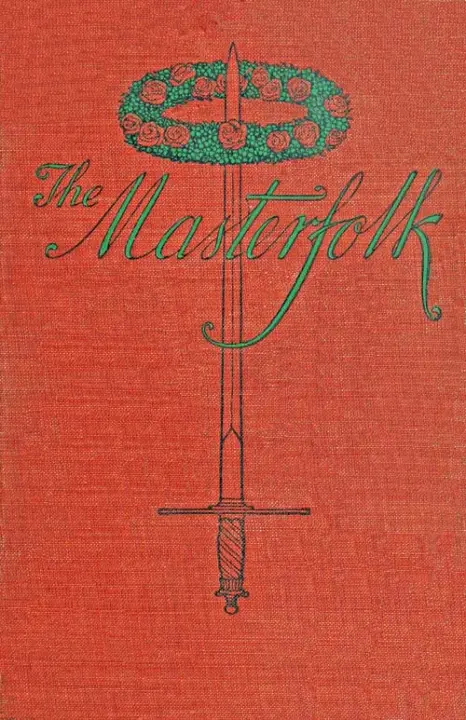
THE CLASSIC COLLECTION · 1903
"The Masterfolk" by Haldane MacFall is a novel written in the early 20th century. The story appears to center around the literary world, delving into the lives and struggles of a group of characters involved in a struggling publication. Two primary characters, Netherby Gomme, a humorist and the editor’s son Oliver Baddlesmere, navigate their way through the complexities of writing, social expectations, and personal aspirations amidst the backdrop of early 1900s British society. The opening of the novel introduces readers to the dingy editorial office where Netherby Gomme, characterized as a gaunt and serious youth, works diligently on his writing while mentoring his younger colleague, Oliver. The tone is both humorous and reflective as they discuss various humorous topics and the challenges facing them in the literary industry. The narrative offers glimpses into their personalities and their surroundings, highlighting the tension between ambition and reality, as well as the struggles of lesser-known writers striving for recognition. As the characters interact, they reveal layers of camaraderie and concern, setting the stage for deeper exploration of themes related to artistry and societal expectations throughout the story.
Introduction adapted from the source catalogue; source summaries may be automatically generated.
Free to read · English · 167,429 words · No account needed
MAKE TIME FOR A GOOD BOOK
On by default. Untick to stop anonymous reading totals. Each page counts after 10 seconds in view. How this works.
Anonymous counting is on unless you have switched it off.
“You press heavily upon a poet’s husk,” he said solemnly. “Arise, madam, as you love poetry, and free him.”
Emma arose.
As Aubrey crawled out, all tousled and tossed, from under the sofa, a shout went up. He gathered himself on to his feet and brushed his knees.
She sat down:
“The ecstatic ass is not dead, after all,” she said.
Aubrey bowed, polite and affected as always:
“Ah, madam,” said he--“the weight of your opposition crushes me.”
Lovegood chuckled:
“But you have not his death upon your conscience, glorious Emma. The recorded word remains unbroken--no one has yet seen a dead donkey.”
Emma Hartroff shrugged her shoulders:
“That is of no consequence,” she said. “But there are other--serious things. There’s no doubt about it--I’ve begun to apologize for my figure.”
“Hush, Emma!” Lovegood’s pale face became serious “You should never apologize for the acts of Providence. It is most irreligious.”
Aubrey, who had taken his stand against the end of the sofa, folded his
arms, and said absently:
“‘The wit that rouses rippling laughter now,
May be but winnow’d chaff at fifty--
Raise but a cackling laugh at fourscore years.’”
They all thumped on the tables and tapped heels upon the floor:
“Certainly,” cried the chorus.
Emma Hartroff stood up:
“Tsh!” she hushed; “let the inspired idiot speak.”
She sat down in a hush of silence.
Aubrey ran his hands through his hair:
“‘The eyes that catch our eyes, and check our breath with sweet, delicious ecstasies May be but line-marked eyes, with disillusion’d sight at fifty-- Tear-fill’d, and inward cast in age’s loneliness at fourscore years. But shall we therefore fear to laugh--since jests grow old? Or cease to garner for old age’s ease--since graveyards yawn alike for spendthrift and for thrifty? Shall we fulfil, with homage of a loveless life, black Pessimism’s scold That that we do matters as little, after the years we lease, as the worn idols to whom none now bow?’”
Emma Hartroff, pointing to the vacant place beside her, waved him to it:
“H’m!... Sit down, Aubrey.”
Aubrey sat down, and, lolling back comfortably in the corner of it, he spread himself out luxuriously.
Andrew Blotte cheered:
“Excellent! Ex’lent!” he said solemnly. “That ain’t--hiccup--altogether bad.... Wonderful thing, genius!”
Lovegood tapped on his chair-arm, and there was silence:
“It is my painful duty,” said he, rising to his feet, “to put it to the republic of letters that our poet be not again heard this evening.”
They all held out their hands, and solemnly turned their thumbs down.
Lovegood nodded gloomily:
Your reading position is saved on this browser. Take it to another device with a library code. Reading pages adapt to text, rather than matching a printed edition.
Haldane Macfall
Haldane Macfall
Haldane Macfall
Haldane Macfall
BEHIND THE BOOK
This eBook is for the use of anyone anywhere in the United States and most other parts of the world at no cost and with almost no restrictions whatsoever. You may copy it, give it away or re-use it under the terms of the Project Gutenberg License included with this eBook or online at www.gutenberg.org. If you are not located in the United States, you will have to check the laws of the country where you are located before using this eBook. Read the source licence.
The original source file, including credits and licence, is retained by this library. Request an original-format copy at no charge. Please include the book title and Project Gutenberg identifier #61754.
KEEP YOUR CURIOSITY GOING
Coulson Kernahan

Maurice Baring
Frances Wright
Cécile Tormay

Frederic Jesup Stimson

W. H. P. (William Henry Pope) Jarvis