
The Book of Clever Beasts: Studies in Unnatural History
Myrtle Reed
THE CLASSIC COLLECTION · 1910
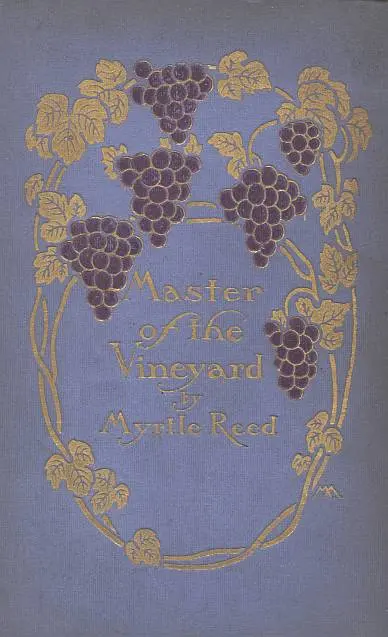
"Master of the Vineyard" by Myrtle Reed is a novel written in the early 20th century. The story follows Rosemary, a young woman reflecting on her life and circumstances while navigating a world shaped by familial obligations and unfulfilled dreams. It explores themes of love, duty, and personal aspiration against the backdrop of a vineyard that symbolizes both entrapment and legacy. The opening of the novel depicts Rosemary as she seeks solace on the Hill of the Muses, a place where she feels a sense of escape from her mundane existence. As she observes the valley, the river, and the vineyards belonging to the Marsh family, she reminisces about the weight of her thirty years, characterized by toil and emotional detachment. The narrative introduces Alden Marsh, a complex character frustrated with his role in the vineyard and his responsibilities, establishing a connection between them. Their interactions mix feelings of yearning for freedom with a budding emotional bond, hinting at the themes of love and sacrifice that will permeate the narrative.
Introduction adapted from the source catalogue; source summaries may be automatically generated.
Free to read · English · 80,142 words · No account needed
MAKE TIME FOR A GOOD BOOK
On by default. Untick to stop anonymous reading totals. Each page counts after 10 seconds in view. How this works.
Anonymous counting is on unless you have switched it off.
Madame smiled, then opened her arms. Without a word, Rosemary went to her, laid her head upon the sweet, silken softness of the old lady's shoulder, and began to cry softly.
"Daughter," whispered Madame, holding her close. "My dear daughter!
Please don't!"
Rosemary laughed through her tears, then wiped her eyes. "It's only an April rain," she said. "I'm crying because I'm so happy."
"I wish," responded Madame, gently, with a glance at her son, "that I might be sure all the tears either of you are ever to shed would be tears of joy. It's the bitterness that hurts."
[Sidenote: Tears]
"Don't be pessimistic, Mother," said Alden, with a little break in his voice. Rosemary's tears woke all his tenderness. He longed to shield and shelter her; to stand, if he might, between her and the thousand pricks and stabs of the world.
"We'll have tea," Madame went on, brightly, ringing a silver bell as she spoke. "Then we shan't be quite so serious."
"Woman's inevitable solace," Alden observed, lounging about the room with his hands in his pockets. Man-like, he welcomed the change of mood.
"I wonder," he continued, with forced cheerfulness, "why people always cry at weddings and engagements and such things? A husband or wife is the only relative we are permitted to choose--we even have very little to say when it comes to a mother-in-law. With parents, brothers, sisters, uncles, aunts, and cousins all provided by a generous but sometimes indiscriminating Fate, it seems hard that one's only choice should be made unpleasant by salt water.
"Why," he went on, warming to his subject, "I remember how a certain woman angled industriously for months to capture an unsuspecting young man for her daughter. When she finally landed him, and the ceremony came off to the usual accompaniment of Mendelssohn and a crowded church, I feared that the bridal couple might have to come down the aisle from the altar in a canoe, on account of the maternal tears."
[Sidenote: A Contrast]
"Perhaps," suggested Rosemary, timidly, "she was only crying because she
was happy."
"If she was as happy as all those tears would indicate, it's a blessed
wonder she didn't burst."
Madame smiled fondly at her son as she busied herself with the tea things. Rosemary watched the white, plump hands that moved so gracefully among the cups, and her heart contracted with a swift little pang of envy, of which she was immediately ashamed. Unconsciously, she glanced at her own rough, red hands. Madame saw the look, and understood.
"We'll soon fix them, my dear," she said, kindly. "I'll show you how to
take care of them."
Your reading position is saved on this browser. Take it to another device with a library code. Reading pages adapt to text, rather than matching a printed edition.
Myrtle Reed
Myrtle Reed
Myrtle Reed
Myrtle Reed
BEHIND THE BOOK
This eBook is for the use of anyone anywhere in the United States and most other parts of the world at no cost and with almost no restrictions whatsoever. You may copy it, give it away or re-use it under the terms of the Project Gutenberg License included with this eBook or online at www.gutenberg.org. If you are not located in the United States, you will have to check the laws of the country where you are located before using this eBook. Read the source licence.
The original source file, including credits and licence, is retained by this library. Request an original-format copy at no charge. Please include the book title and Project Gutenberg identifier #27661.
KEEP YOUR CURIOSITY GOING
Coulson Kernahan

Maurice Baring
Frances Wright
Cécile Tormay

Frederic Jesup Stimson

W. H. P. (William Henry Pope) Jarvis