
The Book of Clever Beasts: Studies in Unnatural History
Myrtle Reed
THE CLASSIC COLLECTION · 1910
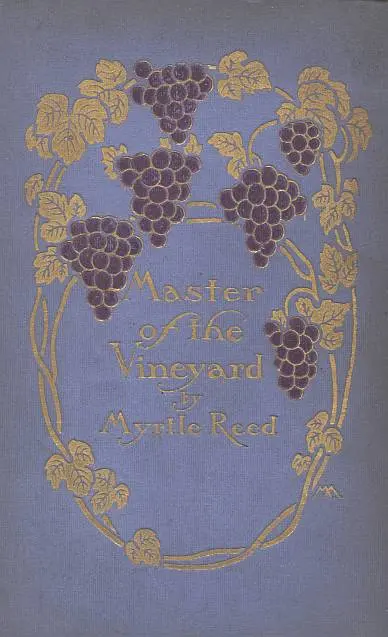
"Master of the Vineyard" by Myrtle Reed is a novel written in the early 20th century. The story follows Rosemary, a young woman reflecting on her life and circumstances while navigating a world shaped by familial obligations and unfulfilled dreams. It explores themes of love, duty, and personal aspiration against the backdrop of a vineyard that symbolizes both entrapment and legacy. The opening of the novel depicts Rosemary as she seeks solace on the Hill of the Muses, a place where she feels a sense of escape from her mundane existence. As she observes the valley, the river, and the vineyards belonging to the Marsh family, she reminisces about the weight of her thirty years, characterized by toil and emotional detachment. The narrative introduces Alden Marsh, a complex character frustrated with his role in the vineyard and his responsibilities, establishing a connection between them. Their interactions mix feelings of yearning for freedom with a budding emotional bond, hinting at the themes of love and sacrifice that will permeate the narrative.
Introduction adapted from the source catalogue; source summaries may be automatically generated.
Free to read · English · 80,142 words · No account needed
MAKE TIME FOR A GOOD BOOK
On by default. Untick to stop anonymous reading totals. Each page counts after 10 seconds in view. How this works.
Anonymous counting is on unless you have switched it off.
The Minister's Call
[Sidenote: Just Wait]
"Rosemary!"
Grandmother called imperiously, but there was no answer. "Rosemary!" she
cried, shrilly.
"She ain't here, Ma," said Matilda. "I reckon she's gone out
somewheres."
"Did you ever see the beat of it? She's getting high and mighty all of a sudden. This makes twice lately that she's gone out without even tellin' us, let alone askin' whether she could go or not. Just wait till she comes back."
Matilda laughed in her most aggravating manner. "I reckon we'll have to wait," she retorted, "as long as we don't know where she's gone or when she's comin' back."
"Just wait," repeated Grandmother, ominously. "I'll tell her a thing or two. You just see if I don't!"
The fires of her wrath smouldered dully, ready to blaze forth at any moment. Matilda waited with the same sort of pleasurable excitement which impels a child to wait under the open window of a house in which there is good reason to believe that an erring playmate is about to receive punishment.
[Sidenote: Tense Silence]
"What's she been doin' all day?" Grandmother demanded.
"Nothin' more than usual, I guess," Matilda replied. "She did up the work this morning and got dinner, and washed the dishes and went to the store, and when she come back, she was up in the attic for a spell, and then she went out without sayin' where she was goin'."
"In the attic? What was she doin' in the attic?"
"I don't know, I'm sure."
"She's got no call to go to the attic. If I want her to go up there, I'll tell her so. This is my house."
"Yes," returned Matilda, with a sigh. "I've heard tell that it was."
"Humph!" grunted Grandmother.
For an hour or more there was silence, not peaceful, but tense, for Grandmother was thinking of things she might say to the wayward Rosemary. Then the culprit came in, cheerfully singing to herself, and unmindful of impending judgment.
"Rosemary!"
"Yes, Grandmother. What is it?"
"Come here!"
[Sidenote: Grandmother chides Rosemary]
Rosemary obeyed readily enough, though she detected warlike
possibilities in the tone.
"Set down! I've got something to say to you!"
"I have something to say to you, too, Grandmother," Rosemary replied, taking the chair indicated by the shaking forefinger. For the first time in her life she was not afraid of the old lady.
"I've noticed," Grandmother began, tremulously, "that you're getting high and mighty all of a sudden. You've gone out twice lately without askin' if you might go, and I won't have it. Do you understand?"
"I hear you," the girl answered. "Is that all?"
Your reading position is saved on this browser. Take it to another device with a library code. Reading pages adapt to text, rather than matching a printed edition.
Myrtle Reed
Myrtle Reed
Myrtle Reed
Myrtle Reed
BEHIND THE BOOK
This eBook is for the use of anyone anywhere in the United States and most other parts of the world at no cost and with almost no restrictions whatsoever. You may copy it, give it away or re-use it under the terms of the Project Gutenberg License included with this eBook or online at www.gutenberg.org. If you are not located in the United States, you will have to check the laws of the country where you are located before using this eBook. Read the source licence.
The original source file, including credits and licence, is retained by this library. Request an original-format copy at no charge. Please include the book title and Project Gutenberg identifier #27661.
KEEP YOUR CURIOSITY GOING
Coulson Kernahan

Maurice Baring
Frances Wright
Cécile Tormay

Frederic Jesup Stimson

W. H. P. (William Henry Pope) Jarvis