
The Book of Clever Beasts: Studies in Unnatural History
Myrtle Reed
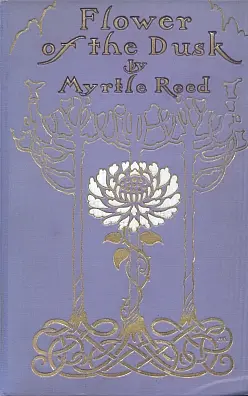
THE CLASSIC COLLECTION · 1908
"Flower of the Dusk" by Myrtle Reed is a novel written in the early 20th century. This work introduces readers to characters filled with yearning and creativity, particularly the blind Ambrose North, who is a musician, and his loving daughter, Barbara, who is dealing with her own physical challenges. The narrative hints at themes of love, loss, and the enduring bonds of family as it explores the delicate balance between hope and despair. At the start of the story, we encounter Ambrose North standing on a cliff, reflecting on the beauty of a spring sunset which evokes memories of joy and sorrow. As he returns home, he is greeted by his daughter Barbara, who is caring and devoted, and their aunt Miriam, who has taken on the role of caretaker since the passing of Ambrose's wife, Constance. They lead a life filled with quiet struggles and fleeting moments of happiness, masking the truth of their circumstances as they attempt to maintain a semblance of normality despite their poverty. The opening chapter establishes an emotional tone, revealing the warmth of their relationship and the complexities of their past, particularly surrounding the lingering effects of Constance's tragic death.
Introduction adapted from the source catalogue; source summaries may be automatically generated.
Free to read · English · 74,434 words · No account needed
MAKE TIME FOR A GOOD BOOK
On by default. Untick to stop anonymous reading totals. Each page counts after 10 seconds in view. How this works.
Anonymous counting is on unless you have switched it off.
"I can't believe it," she answered, with quivering lips. Then she threw her arms around Doctor Allan's neck and kissed him with the sweet impulsiveness of a child.
"Thank you," he said, softly. "Now we'll walk."
[Sidenote: Walking Again]
He put his arm around her and Barbara took a few stumbling steps. Aunt Miriam opened the door and came in.
"Look," cried Barbara. "I'm walking."
"So I see," replied Miriam. "I heard the noise and came up to see what was the matter. I thought perhaps you wanted something." She retreated as swiftly as she had come. Allan stared after her and seemed to be on the verge of saying something very much to the point, but fortunately held his peace.
"You'll have to learn," he said, to Barbara, with a new gentleness in his tone. "Your balance is entirely different and these muscles and joints will have to learn to work. Keep up the exercise and the massage. You can have a cane, if you like, but no crutches. Is there someone who would help you for an hour or so every day?"
"Roger would," she said, "or Aunt Miriam."
"Better get Roger--he'll be stronger. And also more willing," he thought, but he did not say so. "Don't tire yourself, but walk a little every day, as you feel like it."
When he went, he took the crutches with him. "You might be tempted," he explained, "if they were here, and your father's cane is all you really need. Be a good girl and I'll come up again soon."
[Sidenote: A Great Success]
Eloise was watching from the piazza of the hotel, and, when he came in sight, she went up the road to meet him.
"Oh, Allan," she cried, breathlessly, as she saw the crutches. "Is
she----?"
"She's all right. It's one of the most successful operations ever done in that line, even if I do say it as shouldn't."
"Of course," smiled Eloise, looking up at him fondly. "I know that."
They walked together down to the shore, followed by the deep and open interest of the rocking-chair brigade, marshalled twenty strong, on the hotel veranda. It was October and the children had all been taken back to school. The exquisite peace of the place was a thing to dream about and be spoken of only in reverent whispers.
The tide was going out. Allan hurled one of the crutches far out to sea. "They've worked faithfully and long," he said, "and they deserve a little jaunt to Europe. Here goes."
He was about to throw the other, but Eloise took it from him. "Let me," she suggested. "I'd love to throw a crutch over to Europe."
Your reading position is saved on this browser. Take it to another device with a library code. Reading pages adapt to text, rather than matching a printed edition.
Myrtle Reed
Myrtle Reed
Myrtle Reed
Myrtle Reed
BEHIND THE BOOK
This eBook is for the use of anyone anywhere in the United States and most other parts of the world at no cost and with almost no restrictions whatsoever. You may copy it, give it away or re-use it under the terms of the Project Gutenberg License included with this eBook or online at www.gutenberg.org. If you are not located in the United States, you will have to check the laws of the country where you are located before using this eBook. Read the source licence.
The original source file, including credits and licence, is retained by this library. Request an original-format copy at no charge. Please include the book title and Project Gutenberg identifier #18057.
KEEP YOUR CURIOSITY GOING
Coulson Kernahan

Maurice Baring
Frances Wright
Cécile Tormay

Frederic Jesup Stimson

W. H. P. (William Henry Pope) Jarvis