
The Book of Clever Beasts: Studies in Unnatural History
Myrtle Reed
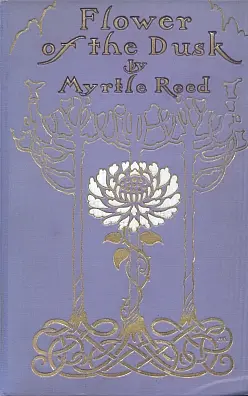
THE CLASSIC COLLECTION · 1908
"Flower of the Dusk" by Myrtle Reed is a novel written in the early 20th century. This work introduces readers to characters filled with yearning and creativity, particularly the blind Ambrose North, who is a musician, and his loving daughter, Barbara, who is dealing with her own physical challenges. The narrative hints at themes of love, loss, and the enduring bonds of family as it explores the delicate balance between hope and despair. At the start of the story, we encounter Ambrose North standing on a cliff, reflecting on the beauty of a spring sunset which evokes memories of joy and sorrow. As he returns home, he is greeted by his daughter Barbara, who is caring and devoted, and their aunt Miriam, who has taken on the role of caretaker since the passing of Ambrose's wife, Constance. They lead a life filled with quiet struggles and fleeting moments of happiness, masking the truth of their circumstances as they attempt to maintain a semblance of normality despite their poverty. The opening chapter establishes an emotional tone, revealing the warmth of their relationship and the complexities of their past, particularly surrounding the lingering effects of Constance's tragic death.
Introduction adapted from the source catalogue; source summaries may be automatically generated.
Free to read · English · 74,434 words · No account needed
MAKE TIME FOR A GOOD BOOK
On by default. Untick to stop anonymous reading totals. Each page counts after 10 seconds in view. How this works.
Anonymous counting is on unless you have switched it off.
Autumn Leaves
[Sidenote: Autumn Glory]
Summer had gone long ago, but the sweetness of her passing yet lay upon the land and sea. The hills were glorious with a pageantry of scarlet and gold where, in the midnight silences, the soul of the woods had flamed in answer to the far, mysterious bugles of the frost. Bloom was on the grapes in the vineyard, and fairy lace, of cobweb fineness, had been hung by the secret spinners from stem to stem of the purple clusters and across bits of stubble in the field.
From the blue sea, now and then, came the breath of Winter, though Autumn lingered on the shore. Many of the people at the hotel had gone back to town, feeling the imperious call of the city with the first keen wind. Eloise, with a few others, waited. She expected to stay until Barbara was strong enough to go with her.
But Barbara's strength was coming very slowly now. She grieved for her father, and the grieving kept her back. Allan came down once a fortnight to spend Sunday with Eloise and to look after Barbara, though he realised that Barbara was, in a way, beyond his reach.
[Sidenote: What We Need]
"She doesn't need medicine," he said, to Eloise. "She is perfectly well, physically, though of course her strength is limited and will be for some time to come. What she needs is happiness."
"That is what we all need," answered Eloise.
Allan flashed a quick glance at her. "Even I," he said, in a different tone, "but I must wait for mine."
"We all wait for things," she laughed, but the lovely colour had mounted to the roots of her hair that waved so softly back from her low forehead.
"When, dear?" insisted Allan, possessing himself of her hand.
"I promised once," she answered. "When the colour is all gone from the hills and the last leaves have fallen, then I'll come."
"You're not counting the oaks?" he asked, half fearfully. "Sometimes the oak leaves stay on all Winter, you know. And evergreens are ruled out, aren't they?"
"Certainly. We won't count the oaks or the Christmas trees. Long before Santa Claus comes, I'll be a sedate matron instead of a flyaway, frivolous spinster."
"For the first time since I grew up," remarked Allan, with evident sincerity, "I wish Christmas came earlier. Upon what day, fair lady, do you think the leaves will be gone?"
"In November, I suppose," she answered, with an affected indifference that did not deceive him. "The day after Thanksgiving, perhaps."
"That's Friday, and I positively refuse to be married on a Friday."
[Sidenote: The Best Day of All]
Your reading position is saved on this browser. Take it to another device with a library code. Reading pages adapt to text, rather than matching a printed edition.
Myrtle Reed
Myrtle Reed
Myrtle Reed
Myrtle Reed
BEHIND THE BOOK
This eBook is for the use of anyone anywhere in the United States and most other parts of the world at no cost and with almost no restrictions whatsoever. You may copy it, give it away or re-use it under the terms of the Project Gutenberg License included with this eBook or online at www.gutenberg.org. If you are not located in the United States, you will have to check the laws of the country where you are located before using this eBook. Read the source licence.
The original source file, including credits and licence, is retained by this library. Request an original-format copy at no charge. Please include the book title and Project Gutenberg identifier #18057.
KEEP YOUR CURIOSITY GOING
Coulson Kernahan

Maurice Baring
Frances Wright
Cécile Tormay

Frederic Jesup Stimson

W. H. P. (William Henry Pope) Jarvis