
The Book of Clever Beasts: Studies in Unnatural History
Myrtle Reed
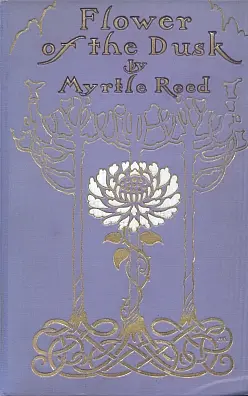
THE CLASSIC COLLECTION · 1908
"Flower of the Dusk" by Myrtle Reed is a novel written in the early 20th century. This work introduces readers to characters filled with yearning and creativity, particularly the blind Ambrose North, who is a musician, and his loving daughter, Barbara, who is dealing with her own physical challenges. The narrative hints at themes of love, loss, and the enduring bonds of family as it explores the delicate balance between hope and despair. At the start of the story, we encounter Ambrose North standing on a cliff, reflecting on the beauty of a spring sunset which evokes memories of joy and sorrow. As he returns home, he is greeted by his daughter Barbara, who is caring and devoted, and their aunt Miriam, who has taken on the role of caretaker since the passing of Ambrose's wife, Constance. They lead a life filled with quiet struggles and fleeting moments of happiness, masking the truth of their circumstances as they attempt to maintain a semblance of normality despite their poverty. The opening chapter establishes an emotional tone, revealing the warmth of their relationship and the complexities of their past, particularly surrounding the lingering effects of Constance's tragic death.
Introduction adapted from the source catalogue; source summaries may be automatically generated.
Free to read · English · 74,434 words · No account needed
MAKE TIME FOR A GOOD BOOK
On by default. Untick to stop anonymous reading totals. Each page counts after 10 seconds in view. How this works.
Anonymous counting is on unless you have switched it off.
The shimmering white silence of noon lay upon the land. Bees hummed in the clover, gorgeous butterflies floated drowsily over the meadows, and far in the blue distance a meadow-lark scattered his golden notes like rain upon the fields.
[Sidenote: A Cold Shadow]
The world teemed with life, and yet a cold shadow, as of approaching death, darkened the souls of two who walked together in the dusty road that led from the hills to the sea. The old man leaned heavily upon the arm of the younger, and his footsteps faltered. The young man's face was white and he saw dimly, as through a mist, but he tried to keep his voice even.
From the open windows of the little grey house came the deadly sweet smell of anaesthetics, heavy with prescience and pain. It dominated, instantly, all the blended Summer fragrances and brought terror to them both.
"I cannot bear it," said Ambrose North, miserably. "I cannot bear to
have my baby hurt."
"She isn't being hurt now," answered Roger, with dry lips. "She's
asleep."
"It may be the sleep that knows no waking. If you loved Barbara, you
would understand."
The boy's senses, exquisitely alive and quivering, merged suddenly into one unspeakable hurt. If he loved Barbara! Ah, did he not love her? What of last night, when he walked up and down in that selfsame road until dawn, alone with the wonder and fear and joy of it, and unutterably dreading the to-morrow that had so swiftly become to-day.
"I was a fool," muttered Ambrose North. "I was a fool to give my
consent."
"It was her choice," the boy reminded him, "and when she walks----"
"When she walks, it may be in the City Not Made With Hands. If I had said 'no,' we should not be out here now, while she--" The tears streamed over his wrinkled cheeks and his bowed shoulders shook.
[Sidenote: All for the Best]
"Don't," pleaded Roger. "It's all for the best--it must be all for the
best."
Neither of them saw Eloise approaching as she came up the road from the hotel. She was in white, as usual, bareheaded, and she carried a white linen parasol. She went to them, calling out brightly, "Good morning!"
"Who is it?" asked the old man.
"It must be Miss Wynne, I think."
"What is it?" inquired Eloise, when she joined them. "What is the
matter?"
The blind man could not speak, but he pointed toward the house with a
shaking hand.
"It's Barbara, you know," said Roger. "They're in there--cutting her." The last words were almost a whisper.
[Sidenote: Allan is There]
Your reading position is saved on this browser. Take it to another device with a library code. Reading pages adapt to text, rather than matching a printed edition.
Myrtle Reed
Myrtle Reed
Myrtle Reed
Myrtle Reed
BEHIND THE BOOK
This eBook is for the use of anyone anywhere in the United States and most other parts of the world at no cost and with almost no restrictions whatsoever. You may copy it, give it away or re-use it under the terms of the Project Gutenberg License included with this eBook or online at www.gutenberg.org. If you are not located in the United States, you will have to check the laws of the country where you are located before using this eBook. Read the source licence.
The original source file, including credits and licence, is retained by this library. Request an original-format copy at no charge. Please include the book title and Project Gutenberg identifier #18057.
KEEP YOUR CURIOSITY GOING
Coulson Kernahan

Maurice Baring
Frances Wright
Cécile Tormay

Frederic Jesup Stimson

W. H. P. (William Henry Pope) Jarvis