
The Book of Clever Beasts: Studies in Unnatural History
Myrtle Reed
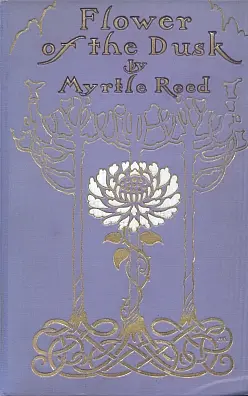
THE CLASSIC COLLECTION · 1908
"Flower of the Dusk" by Myrtle Reed is a novel written in the early 20th century. This work introduces readers to characters filled with yearning and creativity, particularly the blind Ambrose North, who is a musician, and his loving daughter, Barbara, who is dealing with her own physical challenges. The narrative hints at themes of love, loss, and the enduring bonds of family as it explores the delicate balance between hope and despair. At the start of the story, we encounter Ambrose North standing on a cliff, reflecting on the beauty of a spring sunset which evokes memories of joy and sorrow. As he returns home, he is greeted by his daughter Barbara, who is caring and devoted, and their aunt Miriam, who has taken on the role of caretaker since the passing of Ambrose's wife, Constance. They lead a life filled with quiet struggles and fleeting moments of happiness, masking the truth of their circumstances as they attempt to maintain a semblance of normality despite their poverty. The opening chapter establishes an emotional tone, revealing the warmth of their relationship and the complexities of their past, particularly surrounding the lingering effects of Constance's tragic death.
Introduction adapted from the source catalogue; source summaries may be automatically generated.
Free to read · English · 74,434 words · No account needed
MAKE TIME FOR A GOOD BOOK
On by default. Untick to stop anonymous reading totals. Each page counts after 10 seconds in view. How this works.
Anonymous counting is on unless you have switched it off.
A Fairy Godmother
[Sidenote: The Postponed Visit]
As cool and fresh as the June morning of which she seemed a veritable part, Miss Eloise Wynne, immaculately clad in white linen, opened the little grey gate. It was a week later than she had promised to come, but she had not been idle, and considered herself justified for the delay.
Miriam opened the door for her and introduced Barbara. Eloise smiled radiantly as she offered a smooth, well-kept hand. "I know I'm late," she said, "but I think you'll forgive me for it a little later on. I want to see all the lingerie--every piece you have to sell."
"Would you mind coming upstairs?" asked Barbara.
"No, indeed."
The two went up, Barbara slowly leading the way. Miriam remained downstairs to make sure that the blind man did not come in unexpectedly and overhear things which he would be much happier not to know.
"What a lot of it," Eloise was saying. "And what a wonderful old chest."
[Sidenote: Dainty Wares]
Trembling with excitement, Barbara spread forth her dainty wares. Eloise was watching her narrowly, and, with womanly intuition, saw the dire need and the courageous spirit struggling against it.
"Just a minute, please," said Barbara; "I'd better tell you now. My father is blind and he does not know we are poor, nor that I make these things to sell. He thinks that they are for myself and that I am very vain. So, if he should come home while you are here, please do not spoil our little deceit."
Barbara lifted her luminous blue eyes to Eloise and smiled. It was a brave little smile without a hint of self-pity, and it went straight to the older woman's heart.
"I'll be careful," said Eloise. "I think it's dear of you."
"Now," said Barbara, stooping to peer into the corners of the deep chest, "I think that's all." She began, hurriedly, to price everything as she passed it to Eloise, giving the highest price each time. When she had finished, she was amazed at Miss Wynne's face--it was so full of resentment.
"Do you mean to tell me," asked Eloise, in a queer voice, "that you are asking that for these?"
The blue eyes threatened to overflow, but Barbara straightened herself proudly. "It is all hand work," she said, with quiet dignity, "and the material is the very best. I could not possibly afford to sell it for less."
"You goose," laughed Eloise, "you have misunderstood me. There is not a thing here that is not worth at least a third more than you are asking for it. Give me a pencil and paper and some pins."
[Sidenote: Higher Prices]
Your reading position is saved on this browser. Take it to another device with a library code. Reading pages adapt to text, rather than matching a printed edition.
Myrtle Reed
Myrtle Reed
Myrtle Reed
Myrtle Reed
BEHIND THE BOOK
This eBook is for the use of anyone anywhere in the United States and most other parts of the world at no cost and with almost no restrictions whatsoever. You may copy it, give it away or re-use it under the terms of the Project Gutenberg License included with this eBook or online at www.gutenberg.org. If you are not located in the United States, you will have to check the laws of the country where you are located before using this eBook. Read the source licence.
The original source file, including credits and licence, is retained by this library. Request an original-format copy at no charge. Please include the book title and Project Gutenberg identifier #18057.
KEEP YOUR CURIOSITY GOING
Coulson Kernahan

Maurice Baring
Frances Wright
Cécile Tormay

Frederic Jesup Stimson

W. H. P. (William Henry Pope) Jarvis