
The Book of Clever Beasts: Studies in Unnatural History
Myrtle Reed
THE CLASSIC COLLECTION · 1908
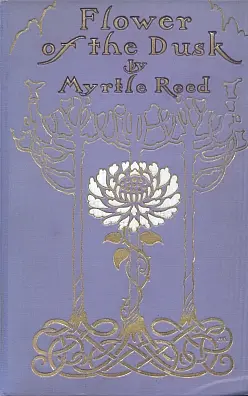
"Flower of the Dusk" by Myrtle Reed is a novel written in the early 20th century. This work introduces readers to characters filled with yearning and creativity, particularly the blind Ambrose North, who is a musician, and his loving daughter, Barbara, who is dealing with her own physical challenges. The narrative hints at themes of love, loss, and the enduring bonds of family as it explores the delicate balance between hope and despair. At the start of the story, we encounter Ambrose North standing on a cliff, reflecting on the beauty of a spring sunset which evokes memories of joy and sorrow. As he returns home, he is greeted by his daughter Barbara, who is caring and devoted, and their aunt Miriam, who has taken on the role of caretaker since the passing of Ambrose's wife, Constance. They lead a life filled with quiet struggles and fleeting moments of happiness, masking the truth of their circumstances as they attempt to maintain a semblance of normality despite their poverty. The opening chapter establishes an emotional tone, revealing the warmth of their relationship and the complexities of their past, particularly surrounding the lingering effects of Constance's tragic death.
Introduction adapted from the source catalogue; source summaries may be automatically generated.
Free to read · English · 74,434 words · No account needed
MAKE TIME FOR A GOOD BOOK
On by default. Untick to stop anonymous reading totals. Each page counts after 10 seconds in view. How this works.
Anonymous counting is on unless you have switched it off.
"I've made him think we were rich instead of poor. He doesn't know that I've earned our living all these years by sewing, and that we've had to sell everything that anybody would buy--the pearls and laces and everything. He hates a lie and he'll despise me. It will break his heart. I'd rather tell him myself than to have him find it out."
"Little girl," said Allan, in his deep, tender voice; "dear little girl. Nobody on earth could blame you for doing that, least of all your father. If he's half the man I think he is, he'll only love you the more for doing it."
Barbara looked up at him, her deep blue eyes brimming with tears. "Do you think," she asked, chokingly, "that he ever can forgive me?"
[Sidenote: A Promise]
Allan laughed. "In a minute," he assured her. "Of course he'll forgive you. But I'll promise you that you shall see him first. As far as that is concerned, I can take the bandages off myself, after he comes home."
"Can you really? And will you?"
"Surely. Now don't fret about it any more. Let's see how you're getting
on."
In an instant the man was pushed into the background and the great surgeon took his place. He went at his work with the precision and power of a perfect machine, guided by that unspoken sympathy which was his inestimable gift. He tested muscles and bones and turned the joint in its socket. Barbara watched his face anxiously. His forehead was set in a frown and his eyes were keen, but the rest of his face was impassive.
"Sit up," he said. "Now, turn this way. That's right--now stand up."
Barbara obeyed him, trembling. In a minute more he would know.
"Stand on this side only. Now, can you walk?"
"No," answered Barbara, in a sad little whisper, "I can't." She reached for her faithful crutches, which leaned against the foot of the bed, but Doctor Allan snatched them away from her.
"No," he said, with his face illumined. "Never again."
[Sidenote: New Hopes]
Barbara gasped. "What do you mean?" she asked, terror and joy strangely
mingling in her voice.
"Never again," Doctor Allan repeated. "You're never to have your
crutches again."
Barbara gazed at him in astonishment. She stood there in her little white night-gown, which was not long enough to cover her bare pink feet, with a great golden braid hanging over either shoulder and far below her waist. Her blue eyes were very wide and dark.
"Am I going to walk?" she asked, in a queer little whisper.
"Certainly, except when you're riding, or sitting down, or asleep."
Your reading position is saved on this browser. Take it to another device with a library code. Reading pages adapt to text, rather than matching a printed edition.
Myrtle Reed
Myrtle Reed
Myrtle Reed
Myrtle Reed
BEHIND THE BOOK
This eBook is for the use of anyone anywhere in the United States and most other parts of the world at no cost and with almost no restrictions whatsoever. You may copy it, give it away or re-use it under the terms of the Project Gutenberg License included with this eBook or online at www.gutenberg.org. If you are not located in the United States, you will have to check the laws of the country where you are located before using this eBook. Read the source licence.
The original source file, including credits and licence, is retained by this library. Request an original-format copy at no charge. Please include the book title and Project Gutenberg identifier #18057.
KEEP YOUR CURIOSITY GOING
Coulson Kernahan

Maurice Baring
Frances Wright
Cécile Tormay

Frederic Jesup Stimson

W. H. P. (William Henry Pope) Jarvis