THE CLASSIC COLLECTION✦The queen of the isleCLASSIC FREE BOOKS
The queen of the isle
May Agnes Fleming
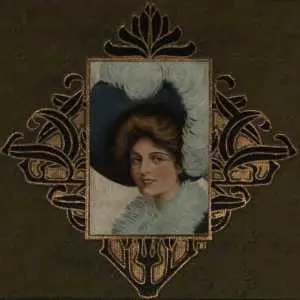
THE CLASSIC COLLECTION · 1875
"The Gypsy Queen's Vow" by May Agnes Fleming is a novel written in the late 19th century. The story opens with the figure of a gipsy queen, Ketura, determinedly making her way through a stormy night toward London, driven by an overwhelming desire that hints at deep emotional turmoil and desperation. This character's fierce qualities set the stage for a gripping tale of love, loss, and revenge while intertwining the fates of various characters, including her son, Reginald Germaine, who faces his own dramatic struggles. At the start of the novel, the gipsy queen is depicted fleeing the harsh elements, all while fixated on the distant lights of the city, symbolizing her determination and desperate hope. Introduced alongside her are contrasting figures, including the kind-hearted Mr. Toosypegs and the gruff driver, Mr. Harkins, who inadvertently become part of her journey. As the plot unfolds, so does a series of events involving betrayal and injustice, particularly surrounding Reginald, who is imprisoned for theft, and his mother's anguished plea for his life. The dramatic opening sets a foreboding tone, suggesting that themes of vengeance and deep-seated emotional conflict will permeate this tale as Ketura's vow becomes a central motif in the unfolding narrative.
Introduction adapted from the source catalogue; source summaries may be automatically generated.
Free to read · English · 145,912 words · No account needed
MAKE TIME FOR A GOOD BOOK
On by default. Untick to stop anonymous reading totals. Each page counts after 10 seconds in view. How this works.
Anonymous counting is on unless you have switched it off.
"When lovers meet in adverse hour,
'Tis like a sun-glimpse through a shower--
A watery ray, an instant seen,
Then darkly-closing clouds between."
--SCOTT.
Silently they confronted each other--those two, so nearly connected--so long separated--so strangely encountered now. Did no "still, small," inward voice whisper to each that they were father and son? Was the voice of Nature silent, that they should gaze upon each other as strangers gaze?
Yes, even so; for although the outlaw chief started for a moment to see before him the living embodiment of himself at the same age, the emotion passed in a moment, and the strange resemblance was set down to one of those accidental likenesses that so often surprise us, and which cannot be accounted for. Ray, too, fancied this dark, daring, reckless-looking chieftain resembled himself somewhat; but the passing thought had even less effect upon him than it had on the other.
The men, still grasping their swords, had encircled Ray, and were glaring upon him with darkly-threatening eyes, as he stood boldly erect, and undauntedly confronting the smuggler-chief.
"Well," said that personage, at last, breaking the silence, and calmly surveying the intruder from head to foot, "who the foul fiend are you, young man, that you come tumbling from the clouds among us in this fashion?"
"He is a revenue spy. Let us pitch him in the river, cap'n!" said Black
Bart.
"Silence, sir! Come, my good youth, answer: What is your business here?"
"My business is, to discover the young lady you have so basely abducted. If you are the leader of this gang of cut-throats, I demand to be instantly informed where she is!" said Ray, determined to put a bold front on the matter since he was in for it.
"Whew-w!" whistled the captain, while the men set up an insolent laugh. "For coolness and effrontery, that modest demand cannot be easily beat. And what if we refuse, young sir?"
"Your refusal will not matter much, since to-morrow your retreat will assuredly be discovered, and then you will every one meet the doom your diabolical actions deserve!"
"And what may that be, most candid youth?" said the smuggler chief, with
a sneer.
"Hanging!" said Ray, boldly; "a fate too good for villains base enough to forcibly carry off a helpless young girl!"
With low, but passionate imprecations of rage, the outlaws closed around Ray; and his mortal career might have ended then and there, but that the captain a second time interfered.
Your reading position is saved on this browser. Take it to another device with a library code. Reading pages adapt to text, rather than matching a printed edition.
May Agnes Fleming
May Agnes Fleming
May Agnes Fleming
May Agnes Fleming
BEHIND THE BOOK
This eBook is for the use of anyone anywhere in the United States and most other parts of the world at no cost and with almost no restrictions whatsoever. You may copy it, give it away or re-use it under the terms of the Project Gutenberg License included with this eBook or online at www.gutenberg.org. If you are not located in the United States, you will have to check the laws of the country where you are located before using this eBook. Read the source licence.
The original source file, including credits and licence, is retained by this library. Request an original-format copy at no charge. Please include the book title and Project Gutenberg identifier #43489.
KEEP YOUR CURIOSITY GOING
Coulson Kernahan

Maurice Baring
Frances Wright
Cécile Tormay

Frederic Jesup Stimson

W. H. P. (William Henry Pope) Jarvis