THE CLASSIC COLLECTION✦The queen of the isleCLASSIC FREE BOOKS
The queen of the isle
May Agnes Fleming
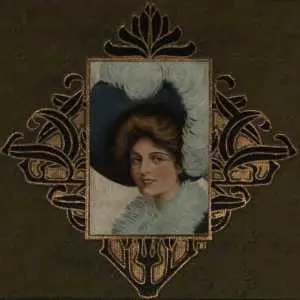
THE CLASSIC COLLECTION · 1875
"The Gypsy Queen's Vow" by May Agnes Fleming is a novel written in the late 19th century. The story opens with the figure of a gipsy queen, Ketura, determinedly making her way through a stormy night toward London, driven by an overwhelming desire that hints at deep emotional turmoil and desperation. This character's fierce qualities set the stage for a gripping tale of love, loss, and revenge while intertwining the fates of various characters, including her son, Reginald Germaine, who faces his own dramatic struggles. At the start of the novel, the gipsy queen is depicted fleeing the harsh elements, all while fixated on the distant lights of the city, symbolizing her determination and desperate hope. Introduced alongside her are contrasting figures, including the kind-hearted Mr. Toosypegs and the gruff driver, Mr. Harkins, who inadvertently become part of her journey. As the plot unfolds, so does a series of events involving betrayal and injustice, particularly surrounding Reginald, who is imprisoned for theft, and his mother's anguished plea for his life. The dramatic opening sets a foreboding tone, suggesting that themes of vengeance and deep-seated emotional conflict will permeate this tale as Ketura's vow becomes a central motif in the unfolding narrative.
Introduction adapted from the source catalogue; source summaries may be automatically generated.
Free to read · English · 145,912 words · No account needed
MAKE TIME FOR A GOOD BOOK
On by default. Untick to stop anonymous reading totals. Each page counts after 10 seconds in view. How this works.
Anonymous counting is on unless you have switched it off.
"Yes, I regret to say I am," said the youngster in question in a passive tone, "and got a large family with large appetites to support. It's melancholy to reflect upon, but it's true. My wife keeps a billiard-saloon, and the children keep apple-stands at the corner of the streets, except my oldest daughter, and she's at service. Fine family, sir! Halloa! here we are, at the Judestown House, and there's my old friend, Mrs. Gudge."
"Humph!" grunted the old gentleman, doubtfully; "where are you from
last, young man?"
"Liverpool--ship 'Sea Nymph;' master, Burleigh; first mate, Randolph Lawless, Esq., late of Heath Hill. Had some distinguished passengers out with us, too," said the young man, tightening his belt.
"Humph!" again grunted the old man. "Who were they, may I ask?"
"Certainly, you may ask, and I have great pleasure in answering, the Earl and Countess De Courcy, and their daughter, Lady Rita--perhaps you're acquainted with them already," said the young man, with a wicked look in his knowing eyes.
"No, sir, I'm not," snapped the old man, "and, what's more, I don't want to be, either, whether you believe it or not."
"Well, it's their loss then; that's all I have to say about it. Here we are at anchor, at last. Halloa, Mrs. Gudge! don't you know me?" exclaimed the young man, springing lightly from his lofty perch and alighting like a cat on his feet.
"Why, Master Ranty! is this yourself?" cried Mrs. Gudge, clasping her fat hands and going off into a transport of delight, wonderful to behold. "Dearie me! how glad I am! how tall you are, and how brown, and handsomer than ever, I declare!"
Our old friend, Ranty, laughed, and dashed back his sun-browned locks off his happy, thoughtless face, as he answered:
"I believe you, Mrs. Gudge; so handsome, in fact, that they wanted to take away the Apollo Belvidere--a gentleman you are not acquainted with, Mrs. Gudge--and put me in his place. My modesty, of which I have at least the full of a tar-bucket, would not permit me to listen to such a proposal a moment. And now, my dear madam, how are all my friends at Heath Hill and Old Barrens?"
"First-rate!" replied Mrs. Gudge; "the judge was here, not ten minutes ago, with that big, rough fellow, with all the hair about his face; Black Bart they call him."
"One of those notorious smugglers! whew! I hope my excellent father is not taking to contraband courses in his latter days. What, in the name of Amphitrite, could he want of Black Bart?"
Your reading position is saved on this browser. Take it to another device with a library code. Reading pages adapt to text, rather than matching a printed edition.
May Agnes Fleming
May Agnes Fleming
May Agnes Fleming
May Agnes Fleming
BEHIND THE BOOK
This eBook is for the use of anyone anywhere in the United States and most other parts of the world at no cost and with almost no restrictions whatsoever. You may copy it, give it away or re-use it under the terms of the Project Gutenberg License included with this eBook or online at www.gutenberg.org. If you are not located in the United States, you will have to check the laws of the country where you are located before using this eBook. Read the source licence.
The original source file, including credits and licence, is retained by this library. Request an original-format copy at no charge. Please include the book title and Project Gutenberg identifier #43489.
KEEP YOUR CURIOSITY GOING
Coulson Kernahan

Maurice Baring
Frances Wright
Cécile Tormay

Frederic Jesup Stimson

W. H. P. (William Henry Pope) Jarvis