THE CLASSIC COLLECTION✦My diaries, being a personal narrative of events 1888-1914, Part 2 (1900-1914)CLASSIC FREE BOOKS
My diaries, being a personal narrative of events 1888-1914, Part 2 (1900-1914)
Wilfrid Scawen Blunt
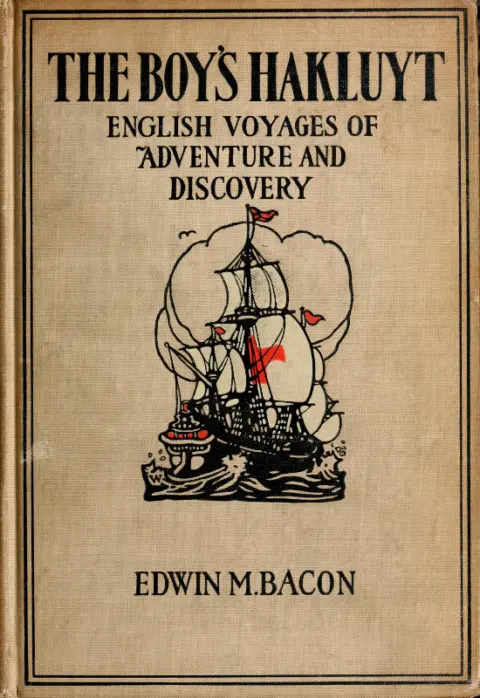
THE CLASSIC COLLECTION · 1908
"The Boy's Hakluyt: English Voyages of Adventure and Discovery" by Edwin M. Bacon is a historical account aimed at younger audiences, written in the early 20th century. The book explores the early English voyages of discovery and colonization, retelling the narratives compiled by Richard Hakluyt, a pivotal figure in promoting English maritime exploration in the late 16th century. It serves as an introduction to America's colonial history while celebrating the spirit of adventure and discovery shown by early explorers. At the start of the narrative, the text discusses the publication of Hakluyt's pamphlet "Divers Voyages," which emerged in 1582 and served to promote English colonization efforts in North America. The pamphlet sought to incite the interest and ambition of the English public by compiling accounts of earlier discoveries made by Englishmen and others, detailing the potential for trade and settlement in the New World. Hakluyt's influential work eventually laid the groundwork for subsequent expeditions, including those spearheaded by prominent explorers like Sir Humphrey Gilbert and Sir Walter Raleigh. This opening portion sets the stage for a comprehensive exploration of the achievements and failures associated with early English attempts to establish presence in the Americas.
Introduction adapted from the source catalogue; source summaries may be automatically generated.
Free to read · English · 103,906 words · No account needed
MAKE TIME FOR A GOOD BOOK
On by default. Untick to stop anonymous reading totals. Each page counts after 10 seconds in view. How this works.
Anonymous counting is on unless you have switched it off.
Cabot, John, 3, 4;
first letters patent to, 61, 62–65;
biographical notice of, 65–66;
voyages of, 65–68; 69, 70;
second patent to, 71–72;
sails on his last voyage, 72–73, 74, 78, 80, 82, 87, 91, 92, 136.
Lewis, 4, 61, 62–65, 66, 136.
Santius, 4, 61, 62–65, 66, 136.
Sebastian, 3, 4, 61;
in the first Cabot voyage, 62–65; 66, 67, 71;
in the second, 74–76;
map credited to, 77, 78;
“discourse” of, 79–82;
pilot-major of Spain, 80, 84, 95; 90, 91, 92;
again in England, 93;
discoveries of, in South America, 102;
grand pilot of England, 102; 105, 106;
instructions of, for the Willoughby-Chancellor voyage, 107–108,
111, 115;
governor of the Muscovy Company, 124, 135;
last public appearance of, 136;
death of, 136.
Cabot voyages, the, 3, 9, 22, 62–76, 77, 84; ventures of other navigators in the track of, 90–95, 102.
Cabral, Pedro Alvarez, Portuguese commander, 91.
“Cacafuego,” ship, the “glory of the South Sea,” 268;
captured by Drake, 269.
Cadiz, 384.
California, 23, 226, 254;
Drake’s discovery of, for the English, and named “New Albion,” 274;
earlier discoverers of, 274;
Drake’s landfall, 274;
Drake’s reception by the natives, 275–278;
possession of, taken for England, 278, 279.
Camden, William, historian, 227, 228, 252.
Canary Islands, 200, 210.
Cape Breton, John Cabot’s landfall, 67, 93, 97, 98, 225, 297.
Cape Farewell, 150.
Cape Fear, 312, 328, 353, 357.
Cape Ferrelo, 275.
Cape Hatteras, 312, 362, 379.
Cape Horn, 263.
Cape of Florida, 289.
Cape of Good Hope, 282.
Cape Lookout, 379.
Cape Resolution. See “Queen Elizabeth’s Foreland.”
Cape Verde, 202, 210.
Cape Verde Islands, 256, 257, 258, 271.
Carate, Don Francisco de, 270, 271.
Carew, Capt., navigator, 178.
Carolina coast, 349, 357, 371, 378.
Caroni River, 383.
Carpini, John de Plano, and William of Rubruquis, Franciscan friars,
adventures of, 53–54.
Cartagena, 212, 213, 238, 239, 251, 345.
Cartier, Jaques, explorer, 82.
Caspian Sea, 133, 139, 140.
“Cathay,” the mysterious empire of, 53, 54;
Marco Polo’s story of, 55;
the aim of Columbus, 56, 60;
of the Cabots, 68, 74, 76, 81, 83;
of Willoughby and of Chancellor, 103, 107, 125;
of Anthony Jenkinson, 133, 134;
of Gilbert, 143, 145, 147, 149;
of Frobisher, 155, 157, 158, 176, 183, 192;
Drake’s thought of a passage to, 273.
“Cativaas” (Catives) Island, 232, 247.
Cavendish, Capt. Thomas, navigator, 323, 324, 329.
Cecil, Sir Robert, 13.
Sir William, 229.
Celebes, 282.
Chagres River, 242, 246.
Chancellor, Richard, explorer, 103; characterization of, 106, 109, 111, 113; voyages of, to “Muscovia,” 114-115, 125–126; reception of, at the Russian court, 117–120; his description of the Russians, 120–122, 123, 124; loss of, in the wreck of his ship, 127, 129, 135, 137.
“Chaonisti,” Indian tribe, 339, 344.
Charles VIII, of France, 59.
Chesapeake Bay, 332, 333;
Raleigh’s Second Colony intended for, 351, 353, 357;
arrival of the “First Colony of Virginia” in, 386.
“Chespians,” Indian tribe, 332, 342, 345.
Chester, Capt. John, with Drake, 254.
China, 55, 145, 158.
Chowan River, 332, 333.
“Christopher,” ship, of Drake’s fleet for the voyage round the world, 254, 257, 259, 260.
“Cimaroons,” Indian tribe, 232, 235, 239; with Drake on the Isthmus of Panama, 240, 241, 242, 243, 244, 243–246, 247–249, 251, 252.
Clark, Richard, master of the wrecked “Delight,” 301.
Colonies in “Virginia.” See “Virginia.”
Columbus, Bartholomew, 57, 58, 59, 60.
Christopher, discoveries of, offered to England, 56–60, 60, 61, 65,
68, 73, 80, 90.
Fernando Colon, 56, 59.
“Company of Cathay,” The, 157, 194, 195.
Conception Bay, 291.
Constantine, “the Great,” 38.
Contractation House, 21, 138.
Cooke, Capt., with White in the quest for the Lost Colony, 372, 373,
374, 376, 378.
Cooper, Christopher, 365.
Copper, in “Virginia,” 334, 335.
Cornwall, Eng., 175, 209, 223, 367, 369.
Cortereal, Gaspar de, and Michael de, navigators, 91.
“Countess of Sussex Island,” 191;
“Countess of Sussex Mine,” 187.
“Countess of Warwick’s Island,” 170, 173, 184, 185, 186, 189, 190, 191,
192;
identified as Kod-lu-narn, 195.
Cox, Capt., with Gilbert, 298, 299.
Craney Island, 332, 333.
Croatoan, 329, 330, 331, 344, 345, 346, 347, 360, 361, 362, 363, 371; supposed place to which the Lost Colony removed from Roanoke, 376, 377, 378, 379.
Crusades, The, English adventurers in, 41–50.
Cuba, 85, 204, 213.
Your reading position is saved on this browser. Take it to another device with a library code. Reading pages adapt to text, rather than matching a printed edition.
BEHIND THE BOOK
This eBook is for the use of anyone anywhere in the United States and most other parts of the world at no cost and with almost no restrictions whatsoever. You may copy it, give it away or re-use it under the terms of the Project Gutenberg License included with this eBook or online at www.gutenberg.org. If you are not located in the United States, you will have to check the laws of the country where you are located before using this eBook. Read the source licence.
The original source file, including credits and licence, is retained by this library. Request an original-format copy at no charge. Please include the book title and Project Gutenberg identifier #57917.
KEEP YOUR CURIOSITY GOING
Wilfrid Scawen Blunt
Wilfrid Scawen Blunt

E. W. (Edgar Watson) Howe
Cécile Tormay

Moritz Busch
John L. Ransom