
The Book of Clever Beasts: Studies in Unnatural History
Myrtle Reed
THE CLASSIC COLLECTION · 1910
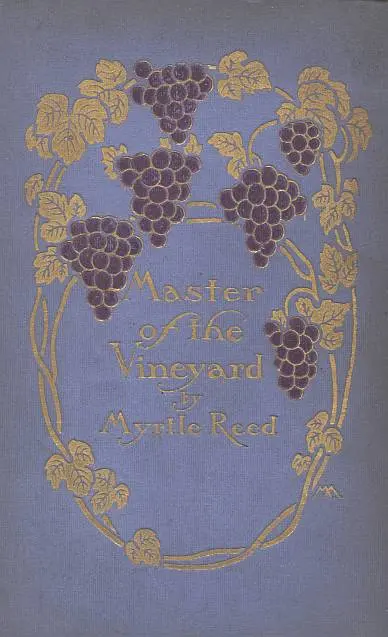
"Master of the Vineyard" by Myrtle Reed is a novel written in the early 20th century. The story follows Rosemary, a young woman reflecting on her life and circumstances while navigating a world shaped by familial obligations and unfulfilled dreams. It explores themes of love, duty, and personal aspiration against the backdrop of a vineyard that symbolizes both entrapment and legacy. The opening of the novel depicts Rosemary as she seeks solace on the Hill of the Muses, a place where she feels a sense of escape from her mundane existence. As she observes the valley, the river, and the vineyards belonging to the Marsh family, she reminisces about the weight of her thirty years, characterized by toil and emotional detachment. The narrative introduces Alden Marsh, a complex character frustrated with his role in the vineyard and his responsibilities, establishing a connection between them. Their interactions mix feelings of yearning for freedom with a budding emotional bond, hinting at the themes of love and sacrifice that will permeate the narrative.
Introduction adapted from the source catalogue; source summaries may be automatically generated.
Free to read · English · 80,142 words · No account needed
MAKE TIME FOR A GOOD BOOK
On by default. Untick to stop anonymous reading totals. Each page counts after 10 seconds in view. How this works.
Anonymous counting is on unless you have switched it off.
Grandmother laughed, sarcastically. "'Pears like you thought you was one of them mermaids I was readin' about in the paper once. They're half fish and half woman and they set on rocks, combin' their hair and singin' and the ships go to pieces on the rocks 'cause the sailors are so anxious to see 'em they forget where they're goin'."
"There ain't no rocks outside my door as I know of," Matilda returned, "and only one rocker inside."
"No, nor your hair ain't like theirs neither. The paper said their hair
was golden."
"Must be nice and stiff," Matilda commented. "I'd hate to have my hair
all wire."
Grandmother lifted her spectacles from the wart and peered through them critically. "I dunno," she said, "as it'd look any different, except for the colour. The way you're settin' now, against the light, I can see bristles stickin' out all over it, same as if 'twas wire."
"Fluffy hair is all the style now," said Matilda, complacently.
"Fluffy!" Grandmother grunted. "If that's what you call it, I reckon it'll soon go out. It might have been out for fifteen or twenty years and you not know it. I don't believe any self-respectin' woman would let her hair go like that. Why 'n the name of common sense can't you take a hair brush and wet it in cold water and slick it up, so's folks can see that it's combed? Mine's always slick, and nobody can't say that it isn't."
[Sidenote: Grandmother's Disappointment]
"Yes," Matilda agreed with a scornful glance, "it is slick, what there
is of it."
Grandmother's head burned pink through her scanty white locks and her eyes flashed dangerously. Somewhat frightened, Matilda hastened to change the subject.
"She wears her hair like mine."
"She?" repeated Grandmother, pricking up her ears, "Who's she?"
"You know--the company up to Marshs'."
"Who was tellin' you? The milkman, or his wife?"
"None of 'em," answered Matilda, mysteriously. Then, lowering her voice to a whisper, she added: "I seen her myself!"
"When?" Grandmother demanded. "You been up there, payin' back your own
call?"
"She went by here yesterday," said Matilda, hurriedly.
"What was I doin'?" the old lady inquired, resentfully.
"One time you was asleep and one time you was readin'."
"What? Do you mean to tell me she went by here twice and you ain't never
told me till now?"
"When you've been readin'," Matilda rejoined, with secret delight, "you've always told me and Rosemary too that you wan't to be disturbed unless the house took afire. Ain't she, Rosemary?"
[Sidenote: If Anything's Important]
"What?" asked the girl, placing a saucer of stewed prunes at each place and drawing up the three chairs.
Your reading position is saved on this browser. Take it to another device with a library code. Reading pages adapt to text, rather than matching a printed edition.
Myrtle Reed
Myrtle Reed
Myrtle Reed
Myrtle Reed
BEHIND THE BOOK
This eBook is for the use of anyone anywhere in the United States and most other parts of the world at no cost and with almost no restrictions whatsoever. You may copy it, give it away or re-use it under the terms of the Project Gutenberg License included with this eBook or online at www.gutenberg.org. If you are not located in the United States, you will have to check the laws of the country where you are located before using this eBook. Read the source licence.
The original source file, including credits and licence, is retained by this library. Request an original-format copy at no charge. Please include the book title and Project Gutenberg identifier #27661.
KEEP YOUR CURIOSITY GOING
Coulson Kernahan

Maurice Baring
Frances Wright
Cécile Tormay

Frederic Jesup Stimson

W. H. P. (William Henry Pope) Jarvis