
The Book of Clever Beasts: Studies in Unnatural History
Myrtle Reed
THE CLASSIC COLLECTION · 1910
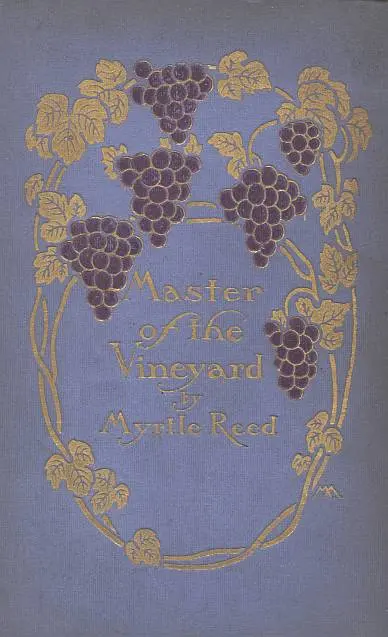
"Master of the Vineyard" by Myrtle Reed is a novel written in the early 20th century. The story follows Rosemary, a young woman reflecting on her life and circumstances while navigating a world shaped by familial obligations and unfulfilled dreams. It explores themes of love, duty, and personal aspiration against the backdrop of a vineyard that symbolizes both entrapment and legacy. The opening of the novel depicts Rosemary as she seeks solace on the Hill of the Muses, a place where she feels a sense of escape from her mundane existence. As she observes the valley, the river, and the vineyards belonging to the Marsh family, she reminisces about the weight of her thirty years, characterized by toil and emotional detachment. The narrative introduces Alden Marsh, a complex character frustrated with his role in the vineyard and his responsibilities, establishing a connection between them. Their interactions mix feelings of yearning for freedom with a budding emotional bond, hinting at the themes of love and sacrifice that will permeate the narrative.
Introduction adapted from the source catalogue; source summaries may be automatically generated.
Free to read · English · 80,142 words · No account needed
MAKE TIME FOR A GOOD BOOK
On by default. Untick to stop anonymous reading totals. Each page counts after 10 seconds in view. How this works.
Anonymous counting is on unless you have switched it off.
"Good! That speaks well for him."
Alden began to wonder, as he alternately coaxed and threatened the horse toward the river-road, what manner of man she had married. Someone, undoubtedly, with the face and figure of Apollo, the courtesy of Chesterfield, and the character of a saint. "It was good of him," he said, gratefully, "to let you come to us."
Edith bit her lips and turned her face away. "I was glad to come," she answered, after a pause. For a moment she trembled upon the verge of a confidence, then summoned all her conversational powers to the rescue.
She began with the natural beauty of the country through which they were driving, observed that the roads were better adapted to a horse than to an automobile, noted the pleasant situation of the Marsh house on the river shore, veered for a moment to the subject of good roads in France, came back to the blue reflection of the sky upon the smooth surface of the river, admired the situation of the vineyard, said that Madame's phaeton was extremely comfortable, and concluded by asking if it wasn't almost time for apple-blossoms.
[Sidenote: "I Just Knew!"]
"All of which means," said Alden, quietly, "that you're unhappily
married."
"How do you know?" demanded Edith, crimson with surprise and mortification. "Did--did your mother tell you?"
"No, she didn't--most decidedly she didn't. I just know, that's all."
"How? Do I betray myself so completely as that?"
He answered her question by another. "How did you know, the night you came, that I was surprised and not altogether pleased by the fact that you had brought a trunk? Were my manners as bad as all that?"
"Why, no--I just knew."
"And how did you know, this morning, when we were sitting on the window-seat, that I was wondering whether or not you wore false hair?"
"Why--I just knew."
"That's it, exactly."
"How long have you--known?"
"Ask me something easier than that," he laughed, endeavouring to relieve a situation that threatened to become awkward. Following his lead, she began to ask questions about the vineyard, and, when he told her he feared he knew very little about his work, suggested that he should read up on vine-culture and make it the best-paying vineyard in the State.
[Sidenote: An Afternoon Drive]
"Has mother been talking to you?" he demanded, turning to her quickly.
"About the vineyard? No. But, if it's your work, why not do it better than anybody else does it?"
Your reading position is saved on this browser. Take it to another device with a library code. Reading pages adapt to text, rather than matching a printed edition.
Myrtle Reed
Myrtle Reed
Myrtle Reed
Myrtle Reed
BEHIND THE BOOK
This eBook is for the use of anyone anywhere in the United States and most other parts of the world at no cost and with almost no restrictions whatsoever. You may copy it, give it away or re-use it under the terms of the Project Gutenberg License included with this eBook or online at www.gutenberg.org. If you are not located in the United States, you will have to check the laws of the country where you are located before using this eBook. Read the source licence.
The original source file, including credits and licence, is retained by this library. Request an original-format copy at no charge. Please include the book title and Project Gutenberg identifier #27661.
KEEP YOUR CURIOSITY GOING
Coulson Kernahan

Maurice Baring
Frances Wright
Cécile Tormay

Frederic Jesup Stimson

W. H. P. (William Henry Pope) Jarvis