
The Book of Clever Beasts: Studies in Unnatural History
Myrtle Reed
THE CLASSIC COLLECTION · 1910
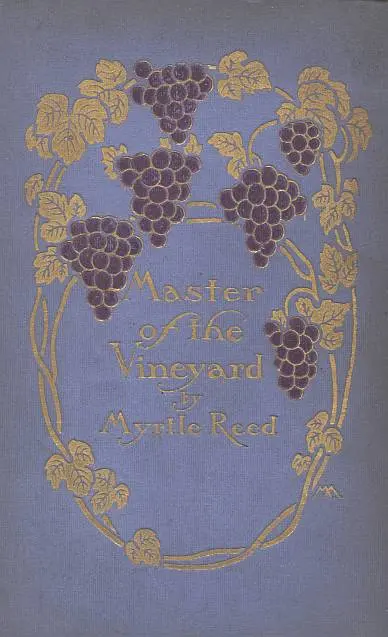
"Master of the Vineyard" by Myrtle Reed is a novel written in the early 20th century. The story follows Rosemary, a young woman reflecting on her life and circumstances while navigating a world shaped by familial obligations and unfulfilled dreams. It explores themes of love, duty, and personal aspiration against the backdrop of a vineyard that symbolizes both entrapment and legacy. The opening of the novel depicts Rosemary as she seeks solace on the Hill of the Muses, a place where she feels a sense of escape from her mundane existence. As she observes the valley, the river, and the vineyards belonging to the Marsh family, she reminisces about the weight of her thirty years, characterized by toil and emotional detachment. The narrative introduces Alden Marsh, a complex character frustrated with his role in the vineyard and his responsibilities, establishing a connection between them. Their interactions mix feelings of yearning for freedom with a budding emotional bond, hinting at the themes of love and sacrifice that will permeate the narrative.
Introduction adapted from the source catalogue; source summaries may be automatically generated.
Free to read · English · 80,142 words · No account needed
MAKE TIME FOR A GOOD BOOK
On by default. Untick to stop anonymous reading totals. Each page counts after 10 seconds in view. How this works.
Anonymous counting is on unless you have switched it off.
"I told you you hadn't swallowed 'em," remarked Matilda, caustically.
"Maybe I didn't, but I might have," rejoined Grandmother. "Anyhow, I've seen how you'd all act in case I had swallered 'em, and I know who to leave my money to when I die." She beamed kindly upon Rosemary, in whom the mention of money had produced mingled emotions of anger and resentment.
"If you had swallowed 'em, Rosemary couldn't have got 'em," Matilda
objected.
"She'd have tried," said the old lady, sharply, "and that's more than can be said of some folks. Not mentionin' any names."
[Sidenote: A Bit of Gossip]
Breakfast bade fair to be a lively sparring match when Rosemary interposed, pacifically: "Never mind what might have been. Let's be glad she didn't swallow them." As the others accepted this compromise, the remainder of the meal proceeded in comparative peace.
"I heard from the milkman this morning," said Matilda, "that Marshs'
company has gone."
"Gone!" repeated Grandmother. "What for? I thought she had come to stay
a spell."
"Gone!" echoed Rosemary, in astonishment.
"Did she go sudden?" queried Grandmother.
"Well, in a way it was sudden, and in a way 'twasn't. She was more'n a whole day puttin' her clothes into her trunks--the respectable trunk, and the big trunk, and the dog-house, and the one what had bulges on all sides but one."
"What train did she go on?"
"The eight o'clock accommodation, yesterday morning. Young Marsh went down to see her off, and the station agent told the milkman that he stood lookin' after the train until you couldn't even see the smoke from the engine. The agent was restin' after havin' helped hist the trunks on the train, and young Marsh up and handed him out a dollar, without even sayin' what it was for. He reckoned it was pay for stoppin' the train and helpin' to put on the trunks, but the railroad pays him for doin' that, so the milkman thinks it was kind of a thank-offerin', on account of her havin' stayed so long that they was glad to get rid of her."
[Sidenote: A Tip]
"'Twasn't no thank-offerin'," replied Grandmother, shaking her head sagely. "That's what they call a tip."
"The agent was some upset by it," Matilda agreed. "He's been keepin' station here for more'n ten years now and nobody ever did the likes of that before."
"I didn't say it was an upsetment--I said it was a tip."
"What's the difference?"
"A tip is money that you give somebody who thinks he's done something for you, whether you think he has or not."
"I don't understand," Matilda muttered.
Your reading position is saved on this browser. Take it to another device with a library code. Reading pages adapt to text, rather than matching a printed edition.
Myrtle Reed
Myrtle Reed
Myrtle Reed
Myrtle Reed
BEHIND THE BOOK
This eBook is for the use of anyone anywhere in the United States and most other parts of the world at no cost and with almost no restrictions whatsoever. You may copy it, give it away or re-use it under the terms of the Project Gutenberg License included with this eBook or online at www.gutenberg.org. If you are not located in the United States, you will have to check the laws of the country where you are located before using this eBook. Read the source licence.
The original source file, including credits and licence, is retained by this library. Request an original-format copy at no charge. Please include the book title and Project Gutenberg identifier #27661.
KEEP YOUR CURIOSITY GOING
Coulson Kernahan

Maurice Baring
Frances Wright
Cécile Tormay

Frederic Jesup Stimson

W. H. P. (William Henry Pope) Jarvis