
The Book of Clever Beasts: Studies in Unnatural History
Myrtle Reed
THE CLASSIC COLLECTION · 1910
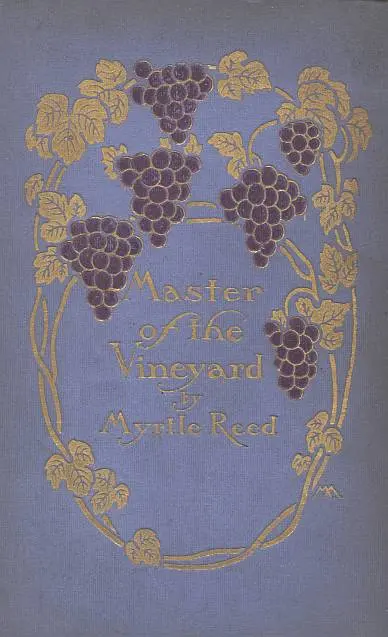
"Master of the Vineyard" by Myrtle Reed is a novel written in the early 20th century. The story follows Rosemary, a young woman reflecting on her life and circumstances while navigating a world shaped by familial obligations and unfulfilled dreams. It explores themes of love, duty, and personal aspiration against the backdrop of a vineyard that symbolizes both entrapment and legacy. The opening of the novel depicts Rosemary as she seeks solace on the Hill of the Muses, a place where she feels a sense of escape from her mundane existence. As she observes the valley, the river, and the vineyards belonging to the Marsh family, she reminisces about the weight of her thirty years, characterized by toil and emotional detachment. The narrative introduces Alden Marsh, a complex character frustrated with his role in the vineyard and his responsibilities, establishing a connection between them. Their interactions mix feelings of yearning for freedom with a budding emotional bond, hinting at the themes of love and sacrifice that will permeate the narrative.
Introduction adapted from the source catalogue; source summaries may be automatically generated.
Free to read · English · 80,142 words · No account needed
MAKE TIME FOR A GOOD BOOK
On by default. Untick to stop anonymous reading totals. Each page counts after 10 seconds in view. How this works.
Anonymous counting is on unless you have switched it off.
This man, with the jovial countenance, and doubtless genial ways, had the right to stand at her dressing-table, if he chose, and speculate upon the various uses of all the daintiness that was spread before him. He had the right and cared nothing for it, while the man who did care, stood there shamefaced, all at once feeling himself an intruder in a sacred place.
He put the photograph back, face down, as it had been, took the scarf, put out the light, and went back down-stairs. He stopped for a moment in the hall to wonder what this was that assailed him so strangely, this passionate bitterness against the other man, this longing to shelter Edith from whatever might make her unhappy.
[Sidenote: On the Veranda]
The living-room was dark. In her moonlit corner, Madame still slept. From where he stood, he could see the dainty little lavender-clad figure enwrapped in its white shawl. There was no sign of Edith in the room, so he went out upon the veranda, guessing that he should find her there.
She had taken out two chairs--a favourite rocker of her own, and the straight-backed, deep chair in which Alden usually sat when he was reading. The chairs faced each other, with a little distance between them. Edith sat in hers, rocking, with her hands crossed behind her head, and her little white feet stretched out in front of her.
Without speaking, Alden went back for a footstool. Then he turned Edith, chair and all, toward the moonlight, slipped the footstool under her feet, laid the fluttering length of chiffon over her shoulders, and brought his own chair farther forward.
"Why," she laughed, as he sat down, "do you presume to change my
arrangements?"
"Because I want to see your face."
[Sidenote: Effect of Moonlight]
"Didn't it occur to you that I might want to see yours?"
"Not especially."
"My son," she said, in her most matronly manner, "kindly remember that a woman past her first youth always prefers to sit with her back toward the light."
"I'm older than you are," he reminded her, "so don't be patronising."
"In years only," she returned. "In worldly wisdom and experience and all the things that count, I'm almost as old as your mother is. Sometimes," she added, bitterly, "I feel as though I were a thousand."
A shadow crossed his face, but, as his figure loomed darkly against the moon, Edith did not see it. The caressing glamour of the light revealed the sad sweetness of her mouth, but presently her lips curved upward in a forced smile.
"Why is it?" she asked, "that moonlight makes one think?"
Your reading position is saved on this browser. Take it to another device with a library code. Reading pages adapt to text, rather than matching a printed edition.
Myrtle Reed
Myrtle Reed
Myrtle Reed
Myrtle Reed
BEHIND THE BOOK
This eBook is for the use of anyone anywhere in the United States and most other parts of the world at no cost and with almost no restrictions whatsoever. You may copy it, give it away or re-use it under the terms of the Project Gutenberg License included with this eBook or online at www.gutenberg.org. If you are not located in the United States, you will have to check the laws of the country where you are located before using this eBook. Read the source licence.
The original source file, including credits and licence, is retained by this library. Request an original-format copy at no charge. Please include the book title and Project Gutenberg identifier #27661.
KEEP YOUR CURIOSITY GOING
Coulson Kernahan

Maurice Baring
Frances Wright
Cécile Tormay

Frederic Jesup Stimson

W. H. P. (William Henry Pope) Jarvis