
The Book of Clever Beasts: Studies in Unnatural History
Myrtle Reed
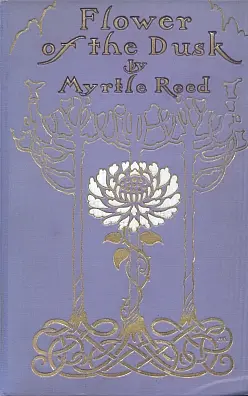
THE CLASSIC COLLECTION · 1908
"Flower of the Dusk" by Myrtle Reed is a novel written in the early 20th century. This work introduces readers to characters filled with yearning and creativity, particularly the blind Ambrose North, who is a musician, and his loving daughter, Barbara, who is dealing with her own physical challenges. The narrative hints at themes of love, loss, and the enduring bonds of family as it explores the delicate balance between hope and despair. At the start of the story, we encounter Ambrose North standing on a cliff, reflecting on the beauty of a spring sunset which evokes memories of joy and sorrow. As he returns home, he is greeted by his daughter Barbara, who is caring and devoted, and their aunt Miriam, who has taken on the role of caretaker since the passing of Ambrose's wife, Constance. They lead a life filled with quiet struggles and fleeting moments of happiness, masking the truth of their circumstances as they attempt to maintain a semblance of normality despite their poverty. The opening chapter establishes an emotional tone, revealing the warmth of their relationship and the complexities of their past, particularly surrounding the lingering effects of Constance's tragic death.
Introduction adapted from the source catalogue; source summaries may be automatically generated.
Free to read · English · 74,434 words · No account needed
MAKE TIME FOR A GOOD BOOK
On by default. Untick to stop anonymous reading totals. Each page counts after 10 seconds in view. How this works.
Anonymous counting is on unless you have switched it off.
For nearly two hours, Roger read, in a deep, mellow voice, of the adventures of poor, persecuted Crystal, who was only sixteen, and engaged to a floor-walker in 'one of the great city's finest emporiums of trade.' He and his mother both sighed when he came to the end of the installment, but for vastly different reasons.
"Ain't it lovely, Roger?"
"It's what you might call 'different,'" he temporised, with a smile.
"Just think of that poor little thing havin' her house set afire by a rival suitor just after she had paid off the mortgage by savin' out of her week's wages! Do you suppose he will ever win her?"
"I shouldn't think it likely."
"No, you wouldn't, but the endin' of those stories is always what you wouldn't expect. It's what makes 'em so interestin' and, as you say, 'different.'"
Roger did not answer. He merely yawned and tapped impatiently on the
table with his fingers.
[Sidenote: Nine o'Clock]
"What time is it?" she asked, adjusting her spectacles carefully upon the ever-useful and unfailing wart.
"A little after nine."
"Sakes alive! It's time I was abed. I've got to get up early in the mornin' and set my bread. Good-night."
"Good-night, Mother."
"Don't set up long. Oil is terrible high."
"All right, Mother."
Miss Mattie went upstairs and closed her door with a resounding bang. Roger heard her strike a match on a bit of sandpaper tacked on the wall near the match-safe, and close the green blinds that served the purpose of the more modern window-shades. Soon, a deep, regular sound suggestive of comfortable slumber echoed and re-echoed overhead. Then, and then only, he dared to go out.
[Sidenote: A Light in the Window]
He sat on the narrow front porch for a few minutes, deeply breathing the cool air and enjoying the beauty of the night. Across the way, the little grey house seemed lonely and forlorn. The upper windows were dark, but downstairs Barbara's lamp still shone.
"Sewing, probably," mused Roger. "Poor little thing."
As he watched, the lamp was put out. Then a white shadow moved painfully toward the window, bent, and struck a match. Star-like, Barbara's signal-light flamed out into the gloom, with its eager message.
"She wants me," he said to himself. The joy was inextricably mingled with pain. "She wants me," he thought, "and I must not go."
"Why?" asked his heart, and his conscience replied, miserably,
"Because."
Your reading position is saved on this browser. Take it to another device with a library code. Reading pages adapt to text, rather than matching a printed edition.
Myrtle Reed
Myrtle Reed
Myrtle Reed
Myrtle Reed
BEHIND THE BOOK
This eBook is for the use of anyone anywhere in the United States and most other parts of the world at no cost and with almost no restrictions whatsoever. You may copy it, give it away or re-use it under the terms of the Project Gutenberg License included with this eBook or online at www.gutenberg.org. If you are not located in the United States, you will have to check the laws of the country where you are located before using this eBook. Read the source licence.
The original source file, including credits and licence, is retained by this library. Request an original-format copy at no charge. Please include the book title and Project Gutenberg identifier #18057.
KEEP YOUR CURIOSITY GOING
Coulson Kernahan

Maurice Baring
Frances Wright
Cécile Tormay

Frederic Jesup Stimson

W. H. P. (William Henry Pope) Jarvis