
The Book of Clever Beasts: Studies in Unnatural History
Myrtle Reed
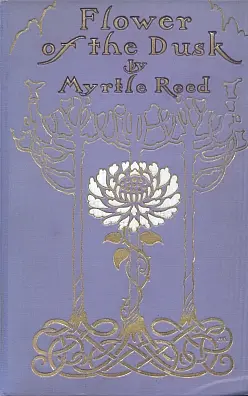
THE CLASSIC COLLECTION · 1908
"Flower of the Dusk" by Myrtle Reed is a novel written in the early 20th century. This work introduces readers to characters filled with yearning and creativity, particularly the blind Ambrose North, who is a musician, and his loving daughter, Barbara, who is dealing with her own physical challenges. The narrative hints at themes of love, loss, and the enduring bonds of family as it explores the delicate balance between hope and despair. At the start of the story, we encounter Ambrose North standing on a cliff, reflecting on the beauty of a spring sunset which evokes memories of joy and sorrow. As he returns home, he is greeted by his daughter Barbara, who is caring and devoted, and their aunt Miriam, who has taken on the role of caretaker since the passing of Ambrose's wife, Constance. They lead a life filled with quiet struggles and fleeting moments of happiness, masking the truth of their circumstances as they attempt to maintain a semblance of normality despite their poverty. The opening chapter establishes an emotional tone, revealing the warmth of their relationship and the complexities of their past, particularly surrounding the lingering effects of Constance's tragic death.
Introduction adapted from the source catalogue; source summaries may be automatically generated.
Free to read · English · 74,434 words · No account needed
MAKE TIME FOR A GOOD BOOK
On by default. Untick to stop anonymous reading totals. Each page counts after 10 seconds in view. How this works.
Anonymous counting is on unless you have switched it off.
As she ate, she talked. It was not aimless chatter, but the rare gift of conversation. She drew them all out and made them talk, too. Even Miriam relaxed and said something more than "yes" and "no."
"What delicious preserves," said Eloise. "May I have some more, please?
Where do you get them?"
"I make them," answered Miriam, the dull red rising in her cheeks. She had not been entirely disinterested when she climbed up on a chair and took down some of her choicest fruit from the highest shelf of the store-room.
"Do you--" A look from Barbara stopped the unlucky speech. "Do you find it difficult?" asked Eloise, instantly mistress of the situation. "I should so love to make some for myself."
"Miriam will be glad to teach you," put in Ambrose North. "She likes to do it because she can do it so well."
The red grew deeper in Miriam's lined face, for every word of praise from him was food to her hungry soul. She would gladly have laid down her life for him, even though she hated herself for feeling as she did.
[Sidenote: An Hour of Song]
Afterward, while Miriam was clearing off the table, Eloise went to the piano without being asked, and sang to them for more than an hour. She chose folk-songs and tender melodies--little songs made of tears and laughter, and the simple ballads that never grow old. She had a deep, vibrant contralto voice of splendid range and volume; she sang with rare sympathy, and every word could be clearly understood.
"Don't stop," pleaded Barbara, when she paused and ran her fingers
lightly over the keys.
"I don't want to impose upon your good-nature," she returned, "but I love
to sing."
"And we love to have you," said North. "I think, Barbara, we must get a
new piano."
"I wouldn't," answered Eloise, before Barbara could speak. "The years improve wine and violins and friendship, so why not a piano?" Without waiting for his reply, she began to sing, with exquisite tenderness:
"Sometimes between long shadows on the grass The little truant waves of sunlight pass; Mine eyes grow dim with tenderness the while, Thinking I see thee, thinking I see thee smile.
"And sometimes in the twilight gloom apart The tall trees whisper, whisper heart to heart; From my fond lips the eager answers fall, Thinking I hear thee, thinking I hear thee call."
"Yes," said Ambrose North, unsteadily, as the last chord died away, "I know. You can call and call, but nothing ever comes back to you." The tears streamed over his blind face as he rose and went out of the room.
Your reading position is saved on this browser. Take it to another device with a library code. Reading pages adapt to text, rather than matching a printed edition.
Myrtle Reed
Myrtle Reed
Myrtle Reed
Myrtle Reed
BEHIND THE BOOK
This eBook is for the use of anyone anywhere in the United States and most other parts of the world at no cost and with almost no restrictions whatsoever. You may copy it, give it away or re-use it under the terms of the Project Gutenberg License included with this eBook or online at www.gutenberg.org. If you are not located in the United States, you will have to check the laws of the country where you are located before using this eBook. Read the source licence.
The original source file, including credits and licence, is retained by this library. Request an original-format copy at no charge. Please include the book title and Project Gutenberg identifier #18057.
KEEP YOUR CURIOSITY GOING
Coulson Kernahan

Maurice Baring
Frances Wright
Cécile Tormay

Frederic Jesup Stimson

W. H. P. (William Henry Pope) Jarvis