
The Book of Clever Beasts: Studies in Unnatural History
Myrtle Reed
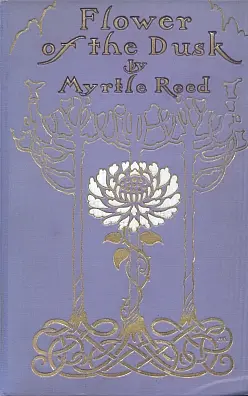
THE CLASSIC COLLECTION · 1908
"Flower of the Dusk" by Myrtle Reed is a novel written in the early 20th century. This work introduces readers to characters filled with yearning and creativity, particularly the blind Ambrose North, who is a musician, and his loving daughter, Barbara, who is dealing with her own physical challenges. The narrative hints at themes of love, loss, and the enduring bonds of family as it explores the delicate balance between hope and despair. At the start of the story, we encounter Ambrose North standing on a cliff, reflecting on the beauty of a spring sunset which evokes memories of joy and sorrow. As he returns home, he is greeted by his daughter Barbara, who is caring and devoted, and their aunt Miriam, who has taken on the role of caretaker since the passing of Ambrose's wife, Constance. They lead a life filled with quiet struggles and fleeting moments of happiness, masking the truth of their circumstances as they attempt to maintain a semblance of normality despite their poverty. The opening chapter establishes an emotional tone, revealing the warmth of their relationship and the complexities of their past, particularly surrounding the lingering effects of Constance's tragic death.
Introduction adapted from the source catalogue; source summaries may be automatically generated.
Free to read · English · 74,434 words · No account needed
MAKE TIME FOR A GOOD BOOK
On by default. Untick to stop anonymous reading totals. Each page counts after 10 seconds in view. How this works.
Anonymous counting is on unless you have switched it off.
"Is supper ready, Aunt Miriam?" asked Barbara, quickly.
"Yes."
"Then come, let's go in."
Ambrose North took his place at the head of the table, which, purposely, was nearest the door. Barbara and Miriam sat together, at the other end.
"Where were you to-day, Father?"
[Sidenote: At the top of the World]
"On the summit of the highest hill, almost at the top of the world. I think I heard a robin, but I am not sure. I smelled Spring in the maple branches and the cedar, and felt it in the salt mist that blew up from the sea. The Winter has been so long!"
"Did you make a song?"
[Sidenote: Always Make a Song]
"Yes--two. I'll tell you about them afterward. Always make a song, Barbara, no matter what comes."
So the two talked, while the other woman watched them furtively. Her face was that of one who has lived much in a short space of time and her dark, burning eyes betrayed tragic depths of feeling. Her black hair, slightly tinged with grey, was brushed straight back from her wrinkled forehead. Her shoulders were stooped and her hands rough from hard work.
She was the older sister of Ambrose North's dead wife--the woman he had so devotedly loved. Ever since her sister's death, she had lived with them, taking care of little lame Barbara, now grown into beautiful womanhood, except for the crutches. After his blindness, Ambrose North had lost his wife, and then, by slow degrees, his fortune. Mercifully, a long illness had made him forget a great deal.
"Never mind, Barbara," said Miriam, in a low tone, as they rose from the table. "It will make your hands too rough for the sewing."
"Shan't I wipe the dishes for you, Aunty? I'd just as soon."
"No--go with him."
The fire had gone down, but the room was warm, so Barbara turned up the light and began again on her endless stitching. Her father's hands sought hers.
"More sewing?" His voice was tender and appealing.
"Just a little bit, Father, please. I'm so anxious to get this done."
"But why, dear?"
"Because girls are so vain," she answered, with a laugh.
"Is my little girl vain?"
"Awfully. Hasn't she the dearest father in the world and the prettiest"--she swallowed hard here--"the prettiest house and the loveliest clothes? Who wouldn't be vain!"
"I am so glad," said the old man, contentedly, "that I have been able to give you the things you want. I could not bear it if we were poor."
"You told me you had made two songs to-day, Father."
[Sidenote: Song of the River]
Your reading position is saved on this browser. Take it to another device with a library code. Reading pages adapt to text, rather than matching a printed edition.
Myrtle Reed
Myrtle Reed
Myrtle Reed
Myrtle Reed
BEHIND THE BOOK
This eBook is for the use of anyone anywhere in the United States and most other parts of the world at no cost and with almost no restrictions whatsoever. You may copy it, give it away or re-use it under the terms of the Project Gutenberg License included with this eBook or online at www.gutenberg.org. If you are not located in the United States, you will have to check the laws of the country where you are located before using this eBook. Read the source licence.
The original source file, including credits and licence, is retained by this library. Request an original-format copy at no charge. Please include the book title and Project Gutenberg identifier #18057.
KEEP YOUR CURIOSITY GOING
Coulson Kernahan

Maurice Baring
Frances Wright
Cécile Tormay

Frederic Jesup Stimson

W. H. P. (William Henry Pope) Jarvis