
The Book of Clever Beasts: Studies in Unnatural History
Myrtle Reed
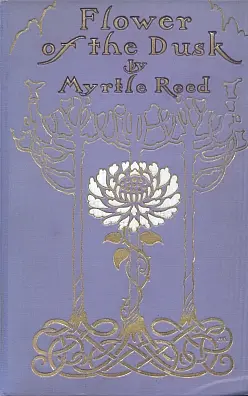
THE CLASSIC COLLECTION · 1908
"Flower of the Dusk" by Myrtle Reed is a novel written in the early 20th century. This work introduces readers to characters filled with yearning and creativity, particularly the blind Ambrose North, who is a musician, and his loving daughter, Barbara, who is dealing with her own physical challenges. The narrative hints at themes of love, loss, and the enduring bonds of family as it explores the delicate balance between hope and despair. At the start of the story, we encounter Ambrose North standing on a cliff, reflecting on the beauty of a spring sunset which evokes memories of joy and sorrow. As he returns home, he is greeted by his daughter Barbara, who is caring and devoted, and their aunt Miriam, who has taken on the role of caretaker since the passing of Ambrose's wife, Constance. They lead a life filled with quiet struggles and fleeting moments of happiness, masking the truth of their circumstances as they attempt to maintain a semblance of normality despite their poverty. The opening chapter establishes an emotional tone, revealing the warmth of their relationship and the complexities of their past, particularly surrounding the lingering effects of Constance's tragic death.
Introduction adapted from the source catalogue; source summaries may be automatically generated.
Free to read · English · 74,434 words · No account needed
MAKE TIME FOR A GOOD BOOK
On by default. Untick to stop anonymous reading totals. Each page counts after 10 seconds in view. How this works.
Anonymous counting is on unless you have switched it off.
The deep, manly voice followed with a benediction, then the little group of neighbours and friends went out with hushed and reverent step, into the golden Autumn afternoon. Miriam came in, to all outward appearance wholly unmoved. She stood by him for a moment, then turned away.
Eloise closed the door and Roger and Allan brought Barbara in. She bent down to her father, who lay so quietly, with a smile of heavenly peace upon his lips, and her tears rained upon his face. "Good-bye, dear Daddy," she sobbed. "It is Barbara who kisses you now."
When Ambrose North went out of his door for the last time, on his way to rest beside his beloved Constance until God should summon them both, Roger stayed behind, with Barbara. Doctor Conrad had said, positively, that she must not go, and, as always, she obeyed.
The boy's heart was too full for words. He still kept her cold little hand in his. "There isn't anything I can say or do, is there, Barbara, dear?"
[Sidenote: The Pity of It]
"No," she sobbed. "That is the pity of it. There is never anything to be
said or done."
"I wish I could take it from you and bear it for you," he said, simply. "Some way, we seem to belong together, you and I."
They sat in silence until the others came back. Eloise came straight to Barbara and put her strong young arms around the frail, bent little figure.
"Will you come with me, dear?" she asked. "We can get a carriage easily and I'd love to have you with me. Will you come?"
For a moment, Barbara hesitated. "No," she said, "I must stay here. I've got to live right on here, and I might as well begin to-night."
Allan took from his pocket several small, round white tablets, and gave them to Barbara. "Two just before going to bed," he said. "And if you're the same brave girl that you've been ever since I've known you, you'll have your bearings again in a short time."
[Sidenote: By the Open Fire]
Roger stayed to supper, but none of them made more than a pretence of eating. The odour of tuberoses still pervaded the house and brought, inevitably, the thought of death. Afterward, Barbara sat by the open fire with one hand lying listlessly in Roger's warm, understanding clasp. In the kitchen, Miriam vigorously washed the few dishes. She had put away the fine china, the solid silver knife and fork, the remnant of table damask, and the Satsuma cup.
"Shall I read to you, Barbara?" asked Roger.
"No," she answered, wearily. "I couldn't listen to-night."
Your reading position is saved on this browser. Take it to another device with a library code. Reading pages adapt to text, rather than matching a printed edition.
Myrtle Reed
Myrtle Reed
Myrtle Reed
Myrtle Reed
BEHIND THE BOOK
This eBook is for the use of anyone anywhere in the United States and most other parts of the world at no cost and with almost no restrictions whatsoever. You may copy it, give it away or re-use it under the terms of the Project Gutenberg License included with this eBook or online at www.gutenberg.org. If you are not located in the United States, you will have to check the laws of the country where you are located before using this eBook. Read the source licence.
The original source file, including credits and licence, is retained by this library. Request an original-format copy at no charge. Please include the book title and Project Gutenberg identifier #18057.
KEEP YOUR CURIOSITY GOING
Coulson Kernahan

Maurice Baring
Frances Wright
Cécile Tormay

Frederic Jesup Stimson

W. H. P. (William Henry Pope) Jarvis