
The Book of Clever Beasts: Studies in Unnatural History
Myrtle Reed
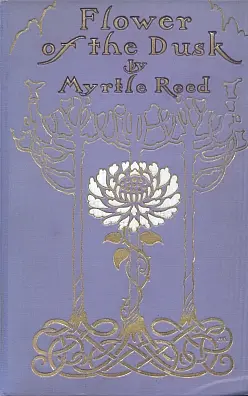
THE CLASSIC COLLECTION · 1908
"Flower of the Dusk" by Myrtle Reed is a novel written in the early 20th century. This work introduces readers to characters filled with yearning and creativity, particularly the blind Ambrose North, who is a musician, and his loving daughter, Barbara, who is dealing with her own physical challenges. The narrative hints at themes of love, loss, and the enduring bonds of family as it explores the delicate balance between hope and despair. At the start of the story, we encounter Ambrose North standing on a cliff, reflecting on the beauty of a spring sunset which evokes memories of joy and sorrow. As he returns home, he is greeted by his daughter Barbara, who is caring and devoted, and their aunt Miriam, who has taken on the role of caretaker since the passing of Ambrose's wife, Constance. They lead a life filled with quiet struggles and fleeting moments of happiness, masking the truth of their circumstances as they attempt to maintain a semblance of normality despite their poverty. The opening chapter establishes an emotional tone, revealing the warmth of their relationship and the complexities of their past, particularly surrounding the lingering effects of Constance's tragic death.
Introduction adapted from the source catalogue; source summaries may be automatically generated.
Free to read · English · 74,434 words · No account needed
MAKE TIME FOR A GOOD BOOK
On by default. Untick to stop anonymous reading totals. Each page counts after 10 seconds in view. How this works.
Anonymous counting is on unless you have switched it off.
"They had passed their lives together, they had borne the same burdens, faced the same storms, and rejoiced in the same warmth of Summer sun. One was not left, stricken, long after the other was dead; their last grief was borne together and was lessened because it was shared. I stand there sometimes now, where the two dead trees are leaning close together, and as the wind sighs through the bare boughs, it chants no dirge to me, but only a hymn of farewell.
[Sidenote: Together with Love]
"There is nothing in all the world, Barbara, that means so much as that one word, 'together,' and when you add 'love' to it, you have heaven, for God himself can give no more joy than to bring together two who love, never to part again."
"Thank you," said Barbara, gently, after a pause.
"I thank you too," said Roger.
Ambrose North rose and offered his hand to Roger. "Good-night," he said. "I am glad you came. Your father was my friend." Then he bent to kiss Barbara. "Good-night, my dear."
"Friend," repeated Roger to himself, as the old man went out. "Yes, friend who never betrayed you or yours." The boy thrilled with passionate pride at the thought. Before the memory of his father his young soul stood at salute.
Barbara's eyes followed her father fondly as he went out and down the hall to his own room. When his door closed, Roger came to the other chair, sat down, and took her hand.
"It's not really necessary," explained Barbara, with a faint pink upon her cheeks. "I shall probably recover, even if my hand isn't held all the time."
"But I want to," returned Roger, and she did not take her hand away. Her cheeks took on a deeper colour and she smiled, but there was something in her deep eyes that Roger had never seen there before.
"I've missed you so," he went on.
"And I have missed you." She did not dare to say how much.
"How long must you lie here?"
"Not much longer, I hope. Somebody is coming down next week to take off the plaster; then, after I've stayed in bed a little longer, they'll see whether I can walk or not."
[Sidenote: The Crutches]
She sighed wistfully and a strange expression settled on her face as she looked at the crutches which still leaned against the foot of her bed.
"Why do you have those there?" asked Roger, quickly.
"To remind me always that I mustn't hope too much. It's just a chance,
you know."
"If you don't need them again, may I have them?"
"Why?" she asked, startled.
Your reading position is saved on this browser. Take it to another device with a library code. Reading pages adapt to text, rather than matching a printed edition.
Myrtle Reed
Myrtle Reed
Myrtle Reed
Myrtle Reed
BEHIND THE BOOK
This eBook is for the use of anyone anywhere in the United States and most other parts of the world at no cost and with almost no restrictions whatsoever. You may copy it, give it away or re-use it under the terms of the Project Gutenberg License included with this eBook or online at www.gutenberg.org. If you are not located in the United States, you will have to check the laws of the country where you are located before using this eBook. Read the source licence.
The original source file, including credits and licence, is retained by this library. Request an original-format copy at no charge. Please include the book title and Project Gutenberg identifier #18057.
KEEP YOUR CURIOSITY GOING
Coulson Kernahan

Maurice Baring
Frances Wright
Cécile Tormay

Frederic Jesup Stimson

W. H. P. (William Henry Pope) Jarvis