
The Book of Clever Beasts: Studies in Unnatural History
Myrtle Reed
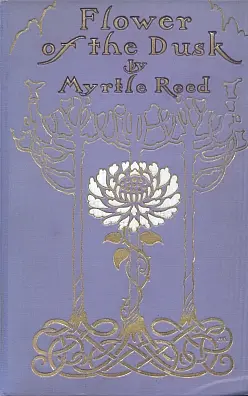
THE CLASSIC COLLECTION · 1908
"Flower of the Dusk" by Myrtle Reed is a novel written in the early 20th century. This work introduces readers to characters filled with yearning and creativity, particularly the blind Ambrose North, who is a musician, and his loving daughter, Barbara, who is dealing with her own physical challenges. The narrative hints at themes of love, loss, and the enduring bonds of family as it explores the delicate balance between hope and despair. At the start of the story, we encounter Ambrose North standing on a cliff, reflecting on the beauty of a spring sunset which evokes memories of joy and sorrow. As he returns home, he is greeted by his daughter Barbara, who is caring and devoted, and their aunt Miriam, who has taken on the role of caretaker since the passing of Ambrose's wife, Constance. They lead a life filled with quiet struggles and fleeting moments of happiness, masking the truth of their circumstances as they attempt to maintain a semblance of normality despite their poverty. The opening chapter establishes an emotional tone, revealing the warmth of their relationship and the complexities of their past, particularly surrounding the lingering effects of Constance's tragic death.
Introduction adapted from the source catalogue; source summaries may be automatically generated.
Free to read · English · 74,434 words · No account needed
MAKE TIME FOR A GOOD BOOK
On by default. Untick to stop anonymous reading totals. Each page counts after 10 seconds in view. How this works.
Anonymous counting is on unless you have switched it off.
In the tense silence, Barbara folded up both sheets and put them back into the envelope. Still, she did not dare to look at her father. When, at last, she turned to him, sorely perplexed and afraid, he was still sitting at her bedside. He had not moved a muscle, but he had changed. If molten light had suddenly been poured over him from above, while the rest of the room lay in shadow, he could not have changed more.
[Sidenote: As by Magic]
The sorrowful years had slipped from him, and, as though by magic, Youth had come back. His shoulders were still stooped, his face and hands wrinkled, and his hair was still as white as the blown snow, but his soul was young, as never before.
"Barbara," he breathed, in ecstasy. "She died loving me."
The slender white hand stole out to his, half fearfully. "Yes, Daddy, I've always told you so, don't you know?" Her senses whirled, but she kept her voice even.
"She died loving me," he whispered.
The clock ticked steadily, a door closed below, and a little bird outside chirped softly. There was no other sound save the wild beating of Barbara's heart, which she alone heard. Still transfigured, he sat beside the bed, holding her hand in his.
[Sidenote: Far-Away Voices]
Far-away voices sounded faintly in his ears, for, like a garment, the years had fallen from him and taken with them the questioning and the fear. Into his doubting heart Constance had come once more, radiant with new beauty, thrilling his soul to new worship and new belief.
"She died loving me," he said, as though he could scarcely believe his own words. "Barbara, I know it is much to ask, for it must be very precious to you, but--would you let me hold the letter? Would you let me feel the words I cannot see?"
Choking back a sob, Barbara took both sheets out of the envelope and gave them to him. "Show me," he whispered, "show me the line where she wrote, 'Tell him I love him still, and have never loved him more than I do to-day.'"
When Barbara put his finger upon the words, he bent and kissed them.
"What does it say here?"
He pointed to the paragraph beginning, "I have made the mistake which
many girls make."
"It says," answered Barbara, "'There is not a word to be said of him that is not wholly good.'" He bent and kissed that, too. "And here?" His finger pointed to the line, "I did not know that a woman could love love, rather than the man who gave it to her."
Your reading position is saved on this browser. Take it to another device with a library code. Reading pages adapt to text, rather than matching a printed edition.
Myrtle Reed
Myrtle Reed
Myrtle Reed
Myrtle Reed
BEHIND THE BOOK
This eBook is for the use of anyone anywhere in the United States and most other parts of the world at no cost and with almost no restrictions whatsoever. You may copy it, give it away or re-use it under the terms of the Project Gutenberg License included with this eBook or online at www.gutenberg.org. If you are not located in the United States, you will have to check the laws of the country where you are located before using this eBook. Read the source licence.
The original source file, including credits and licence, is retained by this library. Request an original-format copy at no charge. Please include the book title and Project Gutenberg identifier #18057.
KEEP YOUR CURIOSITY GOING
Coulson Kernahan

Maurice Baring
Frances Wright
Cécile Tormay

Frederic Jesup Stimson

W. H. P. (William Henry Pope) Jarvis