THE CLASSIC COLLECTION✦Doodles, the Sunshine BoyCLASSIC FREE BOOKS
Doodles, the Sunshine Boy
Emma C. Dowd
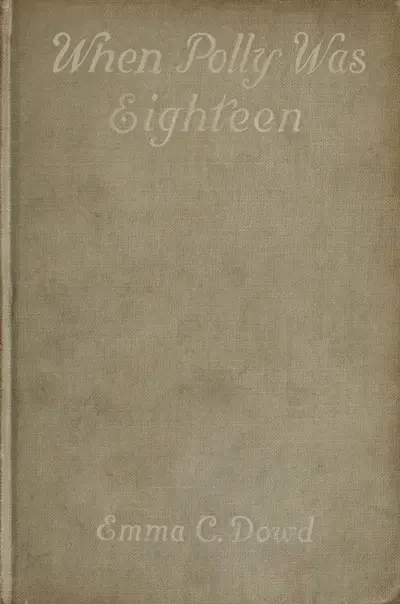
THE CLASSIC COLLECTION · 1921
"When Polly Was Eighteen" by Emma C. Dowd is a novel written in the early 20th century. The story follows Polly Dudley, a young woman navigating her relationships and personal growth amidst the complexities of love, friendship, and societal expectations. In the opening chapters, we are introduced to Polly, her love interest David, and the unfolding dynamics of their connection as they struggle with jealousy, misunderstandings, and the challenges of young adulthood. The opening of the book sets the stage with a significant walk between Polly and David, highlighting the tension in their relationship as David grapples with jealousy over Polly's interactions with other boys. This emotional backdrop creates an atmosphere of uncertainty for Polly, who is equally perplexed by David’s mood swings. As the narrative progresses, we see Polly's character evolve; she is caught between her desire for independence and the constraints imposed by her feelings for David. The initial chapters delve into themes of trust, freedom, and self-discovery, as Polly begins to articulate her need for autonomy even while being deeply entwined in her romantic feelings.
Introduction adapted from the source catalogue; source summaries may be automatically generated.
Free to read · English · 60,208 words · No account needed
MAKE TIME FOR A GOOD BOOK
On by default. Untick to stop anonymous reading totals. Each page counts after 10 seconds in view. How this works.
Anonymous counting is on unless you have switched it off.
“He hasn’t come!” the watchers heard her say. “Dear little girl, don’t feel bad!” For the child’s eyes were threatening an overflow. “Probably he missed his train. All we have to do is to wait for the next.”
The tone was heartening, and Dolly began to smile.
“I was afraid he wouldn’t come at all,” she confessed.
“He will come,” Polly assured her confidently.
“How soon is the next train?” questioned Lilith.
“In about an hour and a half. We’ll go uptown and get some ice-cream.”
At this delightful suggestion Dolly brightened. Of course, Sardis would come on the next train. How foolish she had been to lose hope!
Before they left the station, Polly called at the telegraph office and obtained her message, leaving instructions to have any possible future telegrams delivered to her at once. The slip of yellow paper was fascinating to Dolly, since it seemed to bring her brother nearer.
Expect me on 11.45 train to-morrow.
SARDIS MERRIFIELD
That was all it said. The date was of the previous day.
The cream was all that the little girl’s fancy had pictured it, and the pineapple ice that Polly added made it quite the finest that she had ever tasted. If Sardis had been sitting at her side her joy would have been perfect. Still, her anticipation was there to make up any lack, and she was very happy.
The 1.06 train thundered in and out of Overlook valley; the borrowed car with its anxious passengers waited back of the station-house; but Sardis Merrifield did not appear.
Polly was philosophical.
“There’s nothing to do,” she said, “but to wait.”
“Till when?” asked Lilith.
Polly studied her time-table placidly.
“The next, and last, train is due at 5.30.”
“Oh!” was the dismayed exclamation from Lilith and Dolly.
Polly laughed.
“Never mind,” she said; “we’ll go over to the inn and have dinner--I think it isn’t too late,” as she consulted her watch. “And then--” She halted, thinking. “Oh, I know! We’ll drive down to Leslieboro and go to the movies!”
“Oh, my!” cried Dolly, her eyes big with surprise.
“How will that do?” Polly smiled.
“Splendid!” returned the child.
“Jolly,” said Lilith. “There’s a good picture on this week. I remember reading of it in the Gazette.”
In the proposed way the afternoon passed pleasantly, and the party was back at the Overlook station when the last train rolled in. Yet once more they were disappointed. Only six passengers alighted, three women, a small boy, and two middle-aged men. Sardis Merrifield was missing.
Your reading position is saved on this browser. Take it to another device with a library code. Reading pages adapt to text, rather than matching a printed edition.
BEHIND THE BOOK
This eBook is for the use of anyone anywhere in the United States and most other parts of the world at no cost and with almost no restrictions whatsoever. You may copy it, give it away or re-use it under the terms of the Project Gutenberg License included with this eBook or online at www.gutenberg.org. If you are not located in the United States, you will have to check the laws of the country where you are located before using this eBook. Read the source licence.
The original source file, including credits and licence, is retained by this library. Request an original-format copy at no charge. Please include the book title and Project Gutenberg identifier #58512.
KEEP YOUR CURIOSITY GOING
Coulson Kernahan

Maurice Baring
Frances Wright
Cécile Tormay

Frederic Jesup Stimson

W. H. P. (William Henry Pope) Jarvis