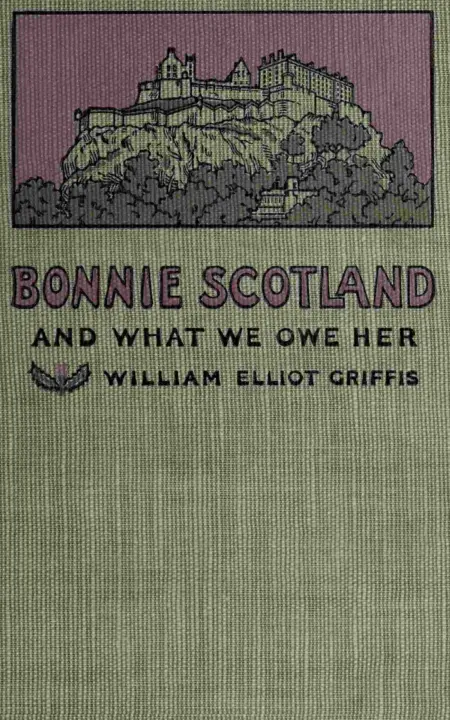
Bonnie Scotland and what we owe her
William Elliot Griffis
THE CLASSIC COLLECTION · 1921
"Welsh Fairy Tales" by William Elliot Griffis is a collection of folklore and fairy tales written in the early 20th century. This anthology draws from the rich tradition of Welsh storytelling, featuring a variety of enchanting tales that explore themes of love, bravery, and the magical elements typical of fairy lore. The stories involve various characters such as Saint David, brave maidens, fearsome monsters, and clever wizards, offering readers insight into Welsh culture and mythology. At the start of "Welsh Fairy Tales," the author presents a preface that reflects on his Welsh heritage and the cultural significance of storytelling. He then launches into the first tale, "Welsh Rabbit and Hunted Hares," where the reader is introduced to the compassionate figure of Saint David, who teaches the people of Wales about food and manners. The story unfolds with a hunting prince who encounters a maiden named Monacella, who protects a wild hare through her prayers, ultimately gaining the prince's admiration and a sacred sanctuary in his land. This opening sets the tone for a charming and whimsical exploration of Welsh fairy tales filled with magic, moral lessons, and the intertwining of everyday life with the supernatural.
Introduction adapted from the source catalogue; source summaries may be automatically generated.
Free to read · English · 43,319 words · No account needed
MAKE TIME FOR A GOOD BOOK
On by default. Untick to stop anonymous reading totals. Each page counts after 10 seconds in view. How this works.
Anonymous counting is on unless you have switched it off.
"One is, that by our fairy law, I cannot take your boy, until three days have passed. Then, I shall come again, and you shall have the gold; but only on the one condition I have stated."
"And the next?" almost gasped the widow.
"If you can guess my name, you will doubly win; for then, I shall give you the gold and you can keep your boy."
Without waiting for another word, the lady in green scooped up her money, put it back in the bag, and moved off and out the door.
The poor woman, at once a widow and mother, and now stripped of her property, fearing to lose her boy, brooded all night over her troubles and never slept a wink.
In the morning, she rose up, left her baby with a neighbor, and went to visit some relatives in the next village, which was several miles distant. She told her story, but her kinsfolk were too poor to help her. So, all disconsolate, she turned her face homewards.
On her way back she had to pass through the woods, where, on one side, was a clearing. In the middle of this open space, was a ring of grass. In the ring a little fairy lady was tripping around and singing to herself.
Creeping up silently, the anxious mother heard to her joy, a rhymed couplet and caught the sound of a name, several times repeated. It sounded like "Silly Doot."
Hurrying home and perfectly sure that she knew the secret that would save her boy, she set cheerily about her regular work and daily tasks. In fact, she slept soundly that night.
Next day, in came the lady in green as before, with her bag of money. Taking her seat at the round table, near the fire, she poured out the gold. Then jingling the coins in the pile, she said:
"Now give up your boy, or guess my name, if you want me to help you."
The young widow, feeling sure that she had the old fairy in a trap, thought she would have some fun first.
"How many guesses am I allowed?" she asked.
"All you want, and as many as you please," answered the green lady,
smiling.
The widow rattled off a string of names, English, Welsh and Biblical; but every time the fairy shook her head. Her eyes began to gleam, as if she felt certain of getting the boy. She even moved her chair around to the side nearest the cradle.
"One more guess," cried the widow. "Can it be Silly Doot?"
Your reading position is saved on this browser. Take it to another device with a library code. Reading pages adapt to text, rather than matching a printed edition.
William Elliot Griffis
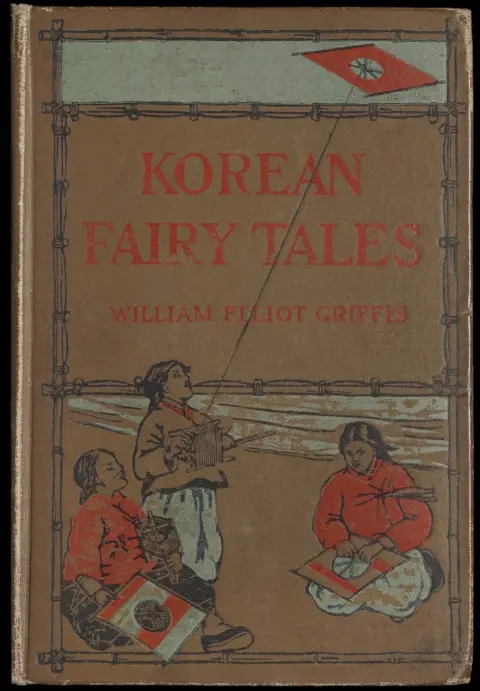
William Elliot Griffis
William Elliot Griffis
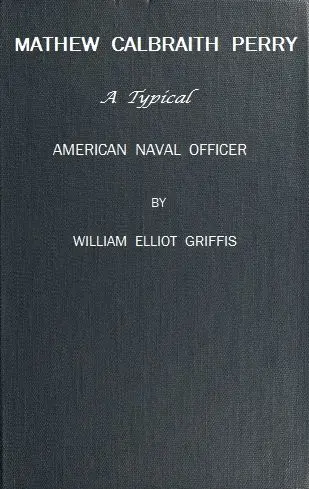
William Elliot Griffis
BEHIND THE BOOK
This eBook is for the use of anyone anywhere in the United States and most other parts of the world at no cost and with almost no restrictions whatsoever. You may copy it, give it away or re-use it under the terms of the Project Gutenberg License included with this eBook or online at www.gutenberg.org. If you are not located in the United States, you will have to check the laws of the country where you are located before using this eBook. Read the source licence.
The original source file, including credits and licence, is retained by this library. Request an original-format copy at no charge. Please include the book title and Project Gutenberg identifier #9368.
KEEP YOUR CURIOSITY GOING

Maurice Baring
Francis Greenleaf Allinson & Anne C. E. (Anne Crosby Emery) Allinson
Stuart Dodgson Collingwood
Percy Keese Fitzhugh
Mary Macleod & Edmund Spenser

Cooke Don-Carlos