THE CLASSIC COLLECTION✦The Countess FannyCLASSIC FREE BOOKS
The Countess Fanny
Marjorie Bowen
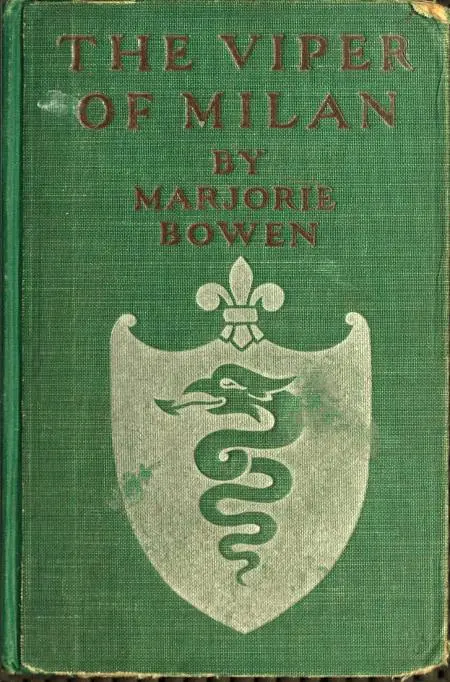
THE CLASSIC COLLECTION · 1906
"The Viper of Milan: A Romance of Lombardy" by Marjorie Bowen is a historical novel written in the early 20th century. Set in the tumultuous and politically charged environment of 14th-century Italy, the narrative focuses on the rise of Gian Galeazzo Maria Visconti, the Duke of Milan, and intertwines themes of tyranny, romance, and rebellion. The story follows characters caught in the gripping turmoil of their time, particularly highlighting the experiences of young travelers Tomaso and Vittore, as well as the infamous Visconti family. At the start of the novel, readers are introduced to the beauty of Lombardy, juxtaposed with the stark reality of peasant life under the oppressive rule of the Visconti. The opening scene captures a moment of tension as a cavalcade led by the Duke passes a group of downtrodden peasants, eliciting fear and awe. Young Tomaso is injured during a harrowing encounter with the Duke's enforcers, thrusting his cousin Vittore into a desperate search for help. The visceral emotions of hopelessness and longing for freedom set the tone for the unfolding drama, while establishing the malevolent presence of the Visconti as a catalyst for the characters' struggles.
Introduction adapted from the source catalogue; source summaries may be automatically generated.
Free to read · English · 96,562 words · No account needed
MAKE TIME FOR A GOOD BOOK
On by default. Untick to stop anonymous reading totals. Each page counts after 10 seconds in view. How this works.
Anonymous counting is on unless you have switched it off.
The entrance stairs of fine white marble were spread with a purple silk carpet, the golden balustrades intertwined with roses emitting their fragrance, and the long gallery opening from the stairway and lit by wide windows, deep set in the stone, showed the long, low balcony smothered in myrtles, lemons, citrons, oranges, and gorgeous flowers, scented and abundant, filling the corridors with the sense of summer and mingling their slender trails with the stiff folds of the rare and costly tapestries that covered the walls and were laid upon the floor.
At intervals stood statues, masterpieces of ancient art, faintly lit by the golden glimmer of the swinging lamps.
And all the stairs and corridors and gallery were alive and brilliant with the magnificent guests of the Visconti--lords and ladies, the finest the dismantled court of France could boast. Yet, used to splendors as they were, coming from the most refined court of Europe, the costly display made by an Italian usurper impressed them with wonder, almost with awe.
Tisio Visconti, most richly dressed and adorned with all his favorite jewels, mingled in the throng, gay and happy, forgetful of everything save the lights and the colors, the kindly respectful tones in which he was addressed, unheeding the silent page that followed him.
The wide, usually so somber, entrance of the palace stood open upon the street, and the red flare of torches, the gleam of richly-caparisoned horses, the bustle of pages and men-at-arms, were visible to the courtiers within, and blended city and palace in one splendor.
"I would the French were always here," cried Tisio, excitedly. "I love the palace to be light and gay."
The gay flutter of silk and satin, the elegant grace of the strangers, pleased him, and he smiled like a contented child. But suddenly all the light was struck out of his face.
"Gian," he said dully.
"The Duke!" the courtiers behind him took up the word, and the tattle of
voices ceased.
Gian Visconti was approaching down the gallery, followed by several pages in the Viper's silver and green livery.
He passed between the rows of bowing courtiers carelessly; there were many there of the proud nobility of France who found it hard to stand silent and respectful before this man, whose crimes alone were his passport to sovereignty.
To them this marriage was a humiliation, a disgrace to the French crown, but to Visconti it was a triumph, the successful crowning of ambition. He was in a genial mood, and as he passed Tisio stopped and smiled, telling him for to-night he might go where he pleased.
It was not too much to spare to the brother whose possessions he
enjoyed.
Your reading position is saved on this browser. Take it to another device with a library code. Reading pages adapt to text, rather than matching a printed edition.
Marjorie Bowen
Marjorie Bowen
Marjorie Bowen
Marjorie Bowen
BEHIND THE BOOK
This eBook is for the use of anyone anywhere in the United States and most other parts of the world at no cost and with almost no restrictions whatsoever. You may copy it, give it away or re-use it under the terms of the Project Gutenberg License included with this eBook or online at www.gutenberg.org. If you are not located in the United States, you will have to check the laws of the country where you are located before using this eBook. Read the source licence.
The original source file, including credits and licence, is retained by this library. Request an original-format copy at no charge. Please include the book title and Project Gutenberg identifier #48963.
KEEP YOUR CURIOSITY GOING
Cécile Tormay

Moritz Busch
Coulson Kernahan
John L. Ransom

Maurice Baring
Frances Wright