
Nietzsche and Other Exponents of Individualism
Paul Carus
THE CLASSIC COLLECTION · 1916
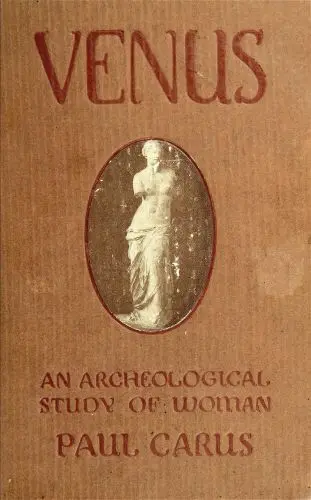
"The Venus of Milo: An Archeological Study of the Goddess of Womanhood" by Paul Carus is a scholarly work that delves into the history and significance of the famous ancient statue, likely written in the early 20th century. The text provides a detailed account of the statue's discovery on the Greek island of Melos, its subsequent journey to France, and the various interpretations and restorations that have been proposed over the years. The book offers insights into the cultural and artistic aspects of the goddess Aphrodite, represented by the Venus of Milo, exploring themes of beauty, femininity, and the impact of religious changes on its legacy. The opening of the work presents the backstory of the statue's discovery in 1820 by a Greek peasant named Yorgos Bottonis and details the challenges faced by French authorities in securing the statue for the Louvre, including negotiations and claims of ownership amidst competing interests. It introduces significant figures involved in the acquisition process, such as M. Dumont d'Urville and Count Marcellus, while providing context about Melos’s historical significance. Initial descriptions of the statue itself are provided, highlighting its beauty and the debates surrounding its original form and meaning, setting the stage for a broader exploration of the goddess's representation through art and culture in subsequent chapters.
Introduction adapted from the source catalogue; source summaries may be automatically generated.
Free to read · English · 27,139 words · No account needed
MAKE TIME FOR A GOOD BOOK
On by default. Untick to stop anonymous reading totals. Each page counts after 10 seconds in view. How this works.
Anonymous counting is on unless you have switched it off.
Egypt, Trinity in, 98.
Eleusinian mysteries, 83.
Ephesus, Diana of, 149, 152-153.
Epithets of Aphrodite, 65, 67.
Eros, 27, 28, 65, 77n, 83;
in the underworld, 84;
Statue of, 28.
“Estafette,” 3, 4, 43, 46, 47.
Eve, Adam and, in art, 132-141;
Apple of, 127, 138;
Creation of, 125, 127, 135, 138, 140.
Fanaticism, 27, 60.
Farnell, Lewis Richard, 83.
Ferry, Jules, 52;
Report of, 45-47.
Figulus, Nigidius, 71.
Fish, 103;
Isis with the, 102;
Kwan-Yon with the, 110-111;
of the Euphrates, 71;
on Friday, 117.
Foam-born, 62, 69.
Fragments, 2, 6, 10, 11, 12n, 13, 43, 47, 53.
Freer, Charles L., 114.
Freya, 117-120.
Furtwängler, 167;
Restoration by, 33.
“Galaxidion,” 46, 48.
Gauttier, 5n.
Gerhard, 154.
Ghiberti, 135-138.
Gilchrist, Edward, 86n.
Glyptothek, 165.
Greek, legend of creation, 62;
philology, 63;
religion, 27.
Guerber, H. A., 117, 119.
Hades, Descent into, 76, 83-95.
Halo, 39-40.
Hasse and Henke, 32, 33.
Hawk, Human-headed, 98.
Heine, Heinrich, 27.
Helios, 40.
Hephæstos, 68.
Hera (Juno), 24;
Worship of, 56.
Heracles, 14, 127;
Etymology of, 63.
Hermae, 6, 7, 8, 13.
Hermes, 14;
(psychopompos), 83.
Hesiod, 62.
Hesperides, Apple of the, 127.
Hierapolis, 102.
Hirt, 77.
History of the statue, 52-60.
Holy Ghost, 98.
Homer, 65.
Homeric hymns, 171-176.
Hypatia, 60.
Idols, Beginning of, 150.
Iduna, Apples of, 127.
India, Trinity in, 98.
Inscription, on plinth, 15, 17;
Votive, 8, 13-14, 50.
Isis, and Horus, 99;
and the fish, 102, 103;
Worship of, 55.
Istar, 71, 79, 80, 81, 107;
and Tammuz, 86;
Carrying in procession the symbol of, 97;
on coin of Tarsus, 150;
Worship of, 55.
Istar’s Descent to Hell, 85-95.
Jeremias, Dr. Alfred, 85.
Jesus, 84.
Jowett, 122-126.
Kalamis, 154, 156.
Kalypygos, Venus, 166.
Kanachus, 154.
K’ang Hi, 116.
Kirchhoff, 17.
Kronos, 62.
Kwan-Yon, as the Buddha, 112, 115;
by Li Lung-mien, 114;
Poem on, 112;
with the fish, 110-111.
Lady, 69, 73, 78, 96, 145.
Lakshmi, 147.
Lang, Andrew, 63n.
Lange, M., 49.
Lenormant, Charles, 11, 50.
Lenormant, F., 99, 101.
Leonard, William Ellery, 176n.
Life, Secret of, 143.
“Lionne,” 4.
Louvre, 4, 10, 12, 25, 43, 48, 49, 53, 158;
Authorities of the, 14, 17, 42, 50.
Love, Goddess of, 22, 39, 64, 74, 75, 76, 83, 117-120, 144, 178;
Goddess of sexual, 67.
Lucian, 103.
Lucretius, Titus, 176.
Ludovisi relief, 70-73.
Lung-mien, Li, 114.
Lysimachos, 167.
Lysippos, 52.
Magna Dea, 96ff.
Man, Origin of, 122;
Primitive, 142.
Maori legend of creation, 63n.
Marcellus, Viscount, 3, 9, 14, 39, 43, 53;
Report of, 11-13.
Marduk, 105.
Mary, Virgin, 64, 69, 71, 110, 115, 120;
Worship of, 37, 56.
Matriarchy, 96, 97.
Matterer, Lieutenant, 44, 47.
Max, Gabriel, 141-143.
Measurements of statue, 7-8.
Medici, Venus of, 166.
Melos, 1, 2, 45, 46, 47;
Inhabitants of, 39, 53;
Name of, 1, 7;
Site of, 6.
Michelangelo, 138, 140.
Mirror, Venus with, 30, 31.
Montaiglon, M. A., 5n.
Morusi, Nikolai, 3, 4.
Mother-goddess, The, 22, 68, 77, 96ff, 117, 120, 144.
Murillo, 109, 110.
Mutilation of statue, 7, 24, 27, 40, 42-43, 49, 53.
National Museum, 157, 158.
Navigation, Goddess of, 107.
Nebo, 81.
Nudity in art, 166;
of statue, 22, 24, 41.
Ohnefalsch-Richter, 106.
Oiconomos, 3.
Open Court, 110.
Oriental influence, 70-71, 96.
Original, Statue an, 20-21.
Orvieto, 135, 136.
Overbeck, 20.
Paganism, 55, 135, 178;
End of, 60, 68, 73.
Panderma, Venus of, 166-168.
Paphos, 73.
Paul, St., 84.
Pausanias, 54, 76, 154n.
Pedestal, 14, 17, 20.
Penitential psalm, 78.
Pergamum, 21, 52.
Persephone, 76;
Myth of, 83.
Phidias, 52, 54, 73, 154, 162.
Philology of Greeks, 63.
Pinches, Theodore G., 78.
Pindar, 74.
Plato, 62, 67, 121, 124, 128n.
Pluto, 83.
Polytheism, 68.
Pomegranate, 83, 98, 127;
emblem of Venus, 76;
held in hand, 158.
Pompeian Venus, 154-155.
Praxiteles, 52, 160-163.
Preller, 76n, 154.
Prometheus, Etymology of, 63.
Purchase of statue, 3-4, 9.
Queen of heaven, 64, 69, 74, 96, 116.
Rabbit, 103.
Record-Herald, 44, 50.
Reinach, Salomon, 167.
Restorations, 27-41.
Rivière, Marquis de, 4, 9.
Robert, Commander, 46.
Roscher, 63n, 71n, 153, 154n, 155n, 156, 162.
Sailors, French, 4, 10, 49;
Turkish, 46.
Saloman, Geskel, 20;
Restorations by, 34, 35.
Sargent’s Astarte, 108, 110.
Schliemann, 107.
Scopas, 52.
Sculptor of the statue, 13, 21, 51, 52, 53.
Selene, 40.
Semiramis, 101.
Shield and pencil, Venus with, 29, 31.
Sistine Madonna, 25.
Socrates, 121.
Sophia, 99;
The gnostic, 98.
Soul, Egyptian, 98, 99.
Springer, Anton, 134.
Star of the sea, 120.
Steinthal, H., 63n.
Swastika, 107.
Syrian goddess, 96, 103;
Birth of, 71.
Tacitus, 73.
Talbot, H. Fox, 79, 81.
Tammuz, 86.
Taylor, 63n.
Theodosius, 39.
Your reading position is saved on this browser. Take it to another device with a library code. Reading pages adapt to text, rather than matching a printed edition.
BEHIND THE BOOK
This eBook is for the use of anyone anywhere in the United States and most other parts of the world at no cost and with almost no restrictions whatsoever. You may copy it, give it away or re-use it under the terms of the Project Gutenberg License included with this eBook or online at www.gutenberg.org. If you are not located in the United States, you will have to check the laws of the country where you are located before using this eBook. Read the source licence.
The original source file, including credits and licence, is retained by this library. Request an original-format copy at no charge. Please include the book title and Project Gutenberg identifier #56934.
KEEP YOUR CURIOSITY GOING
Cécile Tormay

Moritz Busch
John L. Ransom
Frances Wright
Cécile Tormay

Mabel Potter Daggett