THE CLASSIC COLLECTION✦The hermit of Turkey HollowCLASSIC FREE BOOKS
The hermit of Turkey Hollow
Arthur Cheney Train
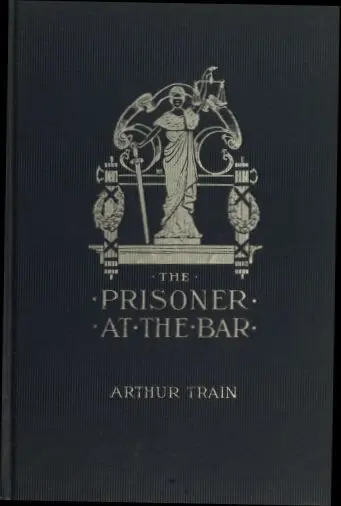
THE CLASSIC COLLECTION · 1906
"The Prisoner at the Bar: Sidelights on the Administration of Criminal Justice" by Arthur Train is a nonfiction account written in the early 20th century. The book aims to provide a detailed and engaging exploration of the criminal justice system, highlighting the processes from arrest to conviction and examining the perspectives of the various participants, including the police, lawyers, and the accused. At the start of this work, Train introduces the complexities surrounding the concept of crime, emphasizing that public perception is often shaped by sensational media coverage rather than an understanding of the legal processes involved. He argues that many commonly held beliefs about crime and criminals are oversimplified or erroneous, and he seeks to provide clarity on the administration of criminal justice. The opening discusses the definition of a crime and highlights the intricacies of legal terminology, illustrating differences between various types of crimes and their implications. Train sets the stage for a comprehensive discussion on how individuals can be categorized as criminals and the societal implications of such classifications.
Introduction adapted from the source catalogue; source summaries may be automatically generated.
Free to read · English · 111,596 words · No account needed
MAKE TIME FOR A GOOD BOOK
On by default. Untick to stop anonymous reading totals. Each page counts after 10 seconds in view. How this works.
Anonymous counting is on unless you have switched it off.
Information, in Court of Special Sessions, 48, 49
Information, of aggrieved party, old form, 89
proceeding by, in different states, 100
all felonies should be prosecuted by, 100
Insanity, not true that majority of criminals are mentally defective, 22 sentence cannot be pronounced on insane person, 269 how those insane at sentence are dealt with, 269 defendants unlikely to feign, at sentence, 270 used as means of avoiding trial by rich, 317 As a Defense to Crime, Chapter XVIII, 350 (Also see Criminal Responsibility and Commissions)
Inspection, of Grand Jury minutes, 122, 316
Interpreters, usually very incompetent, 239
difficulty of cross-examining through, 239
Irresistible impulses not recognized by present New York test of
responsibility, 359
Johnson, Richard, words of, before sentence, 262
Judge, The (Chapter X), functions of, 178 most difficult function of, to impose sentence, 178, 179 his conduct during trial, 179 may "sum up" in England but not here, 179, 337 his business practically to "even things up," 182 should interrogate witnesses, 182 difference between his theoretical and practical functions, 179, 182 should not interfere with jury on questions of fact, 183 able to convey opinion to jury despite the law to contrary, 184 most judges too lenient, 187, 195, 196 tendencies often well known, 187, 188 want of uniformity in sentences, 189, 199 interference with judges in sentences, 191 matters presented to, in determination of sentence, 192, 193 restitution considered by, in sentencing, 195 reasons for leniency, 195, 196 fear of reversal, 196
Judge, impression that judge is easy-going or subject to influence
conduces to lawlessness, 197
judicial propriety desirable, 198
sometimes gives benefit of reasonable doubt after conviction, 199, 200
inequality in punishment, 200-202
no place for weak judge, 204
when a law-breaker, 210
responsibility of, in sentencing, 261, 272
Judgment, arrest of, 269
Jury, Grand (Chapter VI)
power to hold for, by magistrate, 47
indict as matter of course, 56
indictment must precede trial for felony, 81
composition of, 81, 82
finding true bill by, 82
is archaic, 82
procedure by information in states where there is no grand jury, 82
first record of Grand Jury proceeding in New York, 82, 83
number of persons held for, in last six years, 85
how chosen, 86
charged by judge, 87
calendar of, prepared by district attorney, 87
nature of proceedings before, 90
may send for witnesses, 91
relieves district attorney of responsibility for failure to
prosecute, 91
historical development of, (footnote) 92-95
irregularities before, 93
power as general inquisitorial body, 93, 94
power of, vast, 94
tendency to exceed powers, 95, 96
presentment by (see Presentment), 96, 97
why not abolish? 99
original necessity for, has disappeared, 98, 99
one purpose only for which it should be continued, 98, 101
original advantage of, 99
out of harmony with present institutions, 99
few cases originate before, 100
abolished in certain states, 100
subpoenas to appear before 115
description of proceeding before, 116-118
delay before, 119
indict for "murder" in most homicide cases, 174
Your reading position is saved on this browser. Take it to another device with a library code. Reading pages adapt to text, rather than matching a printed edition.
Arthur Cheney Train
Arthur Cheney Train
Arthur Cheney Train
Arthur Cheney Train
BEHIND THE BOOK
This eBook is for the use of anyone anywhere in the United States and most other parts of the world at no cost and with almost no restrictions whatsoever. You may copy it, give it away or re-use it under the terms of the Project Gutenberg License included with this eBook or online at www.gutenberg.org. If you are not located in the United States, you will have to check the laws of the country where you are located before using this eBook. Read the source licence.
The original source file, including credits and licence, is retained by this library. Request an original-format copy at no charge. Please include the book title and Project Gutenberg identifier #58534.
KEEP YOUR CURIOSITY GOING

Charles G. (Charles Griffith) Ross
Hannah Webster Foster

Emily Lawless
Edwin Hamlin Carr

Charles De Lano Hine
Andrew Ure