THE CLASSIC COLLECTION✦The hermit of Turkey HollowCLASSIC FREE BOOKS
The hermit of Turkey Hollow
Arthur Cheney Train
THE CLASSIC COLLECTION · 1906
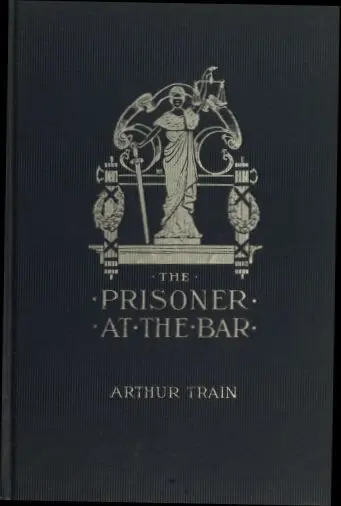
"The Prisoner at the Bar: Sidelights on the Administration of Criminal Justice" by Arthur Train is a nonfiction account written in the early 20th century. The book aims to provide a detailed and engaging exploration of the criminal justice system, highlighting the processes from arrest to conviction and examining the perspectives of the various participants, including the police, lawyers, and the accused. At the start of this work, Train introduces the complexities surrounding the concept of crime, emphasizing that public perception is often shaped by sensational media coverage rather than an understanding of the legal processes involved. He argues that many commonly held beliefs about crime and criminals are oversimplified or erroneous, and he seeks to provide clarity on the administration of criminal justice. The opening discusses the definition of a crime and highlights the intricacies of legal terminology, illustrating differences between various types of crimes and their implications. Train sets the stage for a comprehensive discussion on how individuals can be categorized as criminals and the societal implications of such classifications.
Introduction adapted from the source catalogue; source summaries may be automatically generated.
Free to read · English · 111,596 words · No account needed
MAKE TIME FOR A GOOD BOOK
On by default. Untick to stop anonymous reading totals. Each page counts after 10 seconds in view. How this works.
Anonymous counting is on unless you have switched it off.
Jury, Petit (Chapter XI), trial before, after indictment, 56
disinclination of, to convict, 57
find it difficult not to be prejudiced by defendant's failure to
testify, 160, 161
improves with service, 169
see little of professional criminals, 148, 169
inclined to take law in its own hands in trivial cases, 171, 172
inclined to convict on substantial evidence in serious cases, 172
petty offender profits by lawlessness of, 172
why efficient in criminal cases, 172
when at its best, 173
apt to acquit early in term, 173
percentage of convictions to acquittals by, 175, 176
function of, 205
capacity of, 205
apt to usurp functions of judge, 206
English jury more satisfactory, 206
have little regard for law here, 207, 208
inaccuracy of verdicts by, 209
reason for arbitrariness on part of, 209
attitude of, toward different crimes, 211, 212
have small regard for life, 209, 213
time require to select, in homicide case, 215
futility of wasting time in selection of, 215
some examination of, imperative, 216
method of escaping service on, 217
often contains officious members, 219
desirability of homogeneity in, 219, 220
eleven jurors should find verdict, 221, 222
favors defendant, 222
practically successful, 223
first member of, selected is foreman, 243
take time before returning verdict, 253
deliberations of secret, 254
failure in duty by, 255
the influence of one strong-minded member upon, 255, 256
effect on, of women's evidence, 293
effect of appeals to sympathy, 322
disregard the law in applying test of criminal responsibility, 360-366
Jury system, works best in criminal cases, 192
a practical success, 223
works "substantial justice," 223
brought in contempt by sentimental or lawless acquittal, 343, 344
Jurisdiction, of magistrate, 47
of courts tested by habeas corpus, 43, 47
Larceny, magistrate compelled to hold defendant for higher court in all
cases of, 48
summary jurisdiction of magistrate should be extended to petit
larceny, 48
now frequently treated in police courts as disorderly conduct, 49
form of indictment for, 88
grand, value necessary to constitute, 102
Lawyers, retained to advise prospective criminals, 10
seek to postpone rather than hasten trials, 152
business of, to create reasonable doubt, 304
(See Shysters)
Legal Aid Society, 77
"Legal" insanity, 354, 360-366
Levy, Abraham, 323
Lincoln, Abraham, advice of, 326
Liquor Tax cases, the bane of Special Sessions, 69 few convictions for violation of (see note), 210 juries reluctant to convict in, 70, 209, 210
Livingston, case of, 13
Magistrates, broad power of, 43, 48
committment by, 45
how regarded by humble classes, 46
number of cases disposed of yearly by, 46
jurisdiction of, 46, 47, 48
power to hold for higher court of, 47, 85
jurisdiction of, should be extended over petit larceny and simple
assault, 48, 49, 57
jurisdiction of, over breach of peace, 49
tendency of, to hold for higher courts rather than spend time for
examination, 56
power of, for good, 58
close contact of, with police, 58
appointment of, generally political, 59
(See Police Courts)
Mala prohibita, as distinguished from mala in se, 6
illustrations of, 10
Manhattan Bank, case of, 254
Mayhem, crime of, 316
McCord, People vs., case of, 12
McNaughten's case, 353
doctrine of, 354
"Medical" insanity and "legal" insanity, 354, 365
Miller and "The Franklin Syndicate," 26
Your reading position is saved on this browser. Take it to another device with a library code. Reading pages adapt to text, rather than matching a printed edition.
Arthur Cheney Train
Arthur Cheney Train
Arthur Cheney Train
Arthur Cheney Train
BEHIND THE BOOK
This eBook is for the use of anyone anywhere in the United States and most other parts of the world at no cost and with almost no restrictions whatsoever. You may copy it, give it away or re-use it under the terms of the Project Gutenberg License included with this eBook or online at www.gutenberg.org. If you are not located in the United States, you will have to check the laws of the country where you are located before using this eBook. Read the source licence.
The original source file, including credits and licence, is retained by this library. Request an original-format copy at no charge. Please include the book title and Project Gutenberg identifier #58534.
KEEP YOUR CURIOSITY GOING

Charles G. (Charles Griffith) Ross
Hannah Webster Foster

Emily Lawless
Edwin Hamlin Carr

Charles De Lano Hine
Andrew Ure