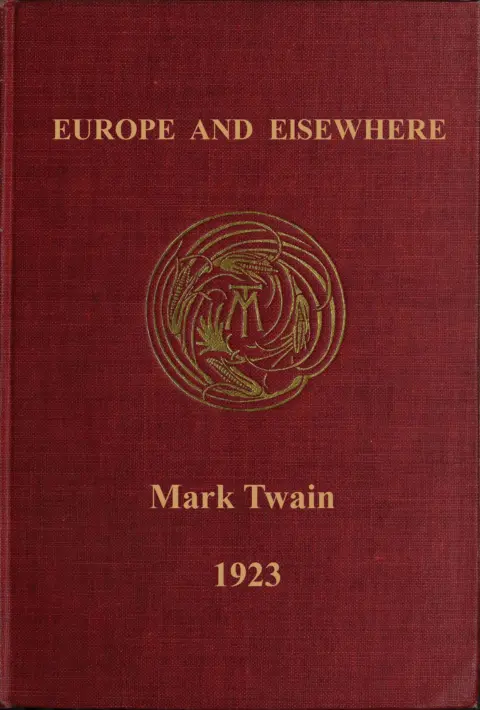
Europe and elsewhere
Mark Twain
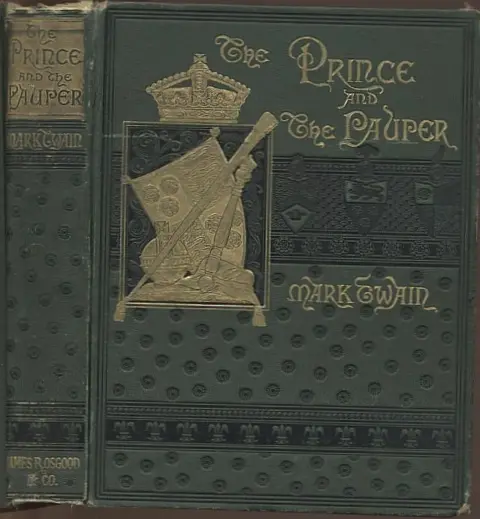
THE CLASSIC COLLECTION · 1881
"The Prince and the Pauper" by Mark Twain is a novel first published in 1881. Two identical boys—Prince Edward Tudor and pauper Tom Canty—meet by chance and swap clothes, only to find themselves trapped in each other's lives. As Edward experiences the brutal reality of poverty and injustice firsthand, Tom struggles to maintain the royal charade. This tale of mistaken identity explores class inequality and the harsh English judicial system, while both boys discover what it truly means to walk in another's shoes.
Introduction adapted from the source catalogue; source summaries may be automatically generated.
Free to read · English · 70,649 words · No account needed
MAKE TIME FOR A GOOD BOOK
On by default. Untick to stop anonymous reading totals. Each page counts after 10 seconds in view. How this works.
Anonymous counting is on unless you have switched it off.
Half a dozen attendants sprang forward to--I don’t know what; interfere, no doubt. But they were waved aside with a right royal gesture, and they stopped stock still where they were, like so many statues. Edward took Tom to a rich apartment in the palace, which he called his cabinet. By his command a repast was brought such as Tom had never encountered before except in books. The prince, with princely delicacy and breeding, sent away the servants, so that his humble guest might not be embarrassed by their critical presence; then he sat near by, and asked questions while Tom ate.
“What is thy name, lad?”
“Tom Canty, an’ it please thee, sir.”
“‘Tis an odd one. Where dost live?”
“In the city, please thee, sir. Offal Court, out of Pudding Lane.”
“Offal Court! Truly ’tis another odd one. Hast parents?”
“Parents have I, sir, and a grand-dam likewise that is but indifferently precious to me, God forgive me if it be offence to say it--also twin sisters, Nan and Bet.”
“Then is thy grand-dam not over kind to thee, I take it?”
“Neither to any other is she, so please your worship. She hath a wicked heart, and worketh evil all her days.”
“Doth she mistreat thee?”
“There be times that she stayeth her hand, being asleep or overcome with drink; but when she hath her judgment clear again, she maketh it up to me with goodly beatings.”
A fierce look came into the little prince’s eyes, and he cried out--
“What! Beatings?”
“Oh, indeed, yes, please you, sir.”
“Beatings!--and thou so frail and little. Hark ye: before the night come, she shall hie her to the Tower. The King my father”--
“In sooth, you forget, sir, her low degree. The Tower is for the great
alone.”
“True, indeed. I had not thought of that. I will consider of her punishment. Is thy father kind to thee?”
“Not more than Gammer Canty, sir.”
“Fathers be alike, mayhap. Mine hath not a doll’s temper. He smiteth with a heavy hand, yet spareth me: he spareth me not always with his tongue, though, sooth to say. How doth thy mother use thee?”
“She is good, sir, and giveth me neither sorrow nor pain of any sort. And Nan and Bet are like to her in this.”
“How old be these?”
“Fifteen, an’ it please you, sir.”
Your reading position is saved on this browser. Take it to another device with a library code. Reading pages adapt to text, rather than matching a printed edition.
BEHIND THE BOOK
This eBook is for the use of anyone anywhere in the United States and most other parts of the world at no cost and with almost no restrictions whatsoever. You may copy it, give it away or re-use it under the terms of the Project Gutenberg License included with this eBook or online at www.gutenberg.org. If you are not located in the United States, you will have to check the laws of the country where you are located before using this eBook. Read the source licence.
The original source file, including credits and licence, is retained by this library. Request an original-format copy at no charge. Please include the book title and Project Gutenberg identifier #1837.
KEEP YOUR CURIOSITY GOING
Cécile Tormay

Moritz Busch
Coulson Kernahan
John L. Ransom

Maurice Baring
Frances Wright