THE CLASSIC COLLECTION✦Elbow-Room: A Novel Without a PlotCLASSIC FREE BOOKS
Elbow-Room: A Novel Without a Plot
Charles Heber Clark
THE CLASSIC COLLECTION · 1881
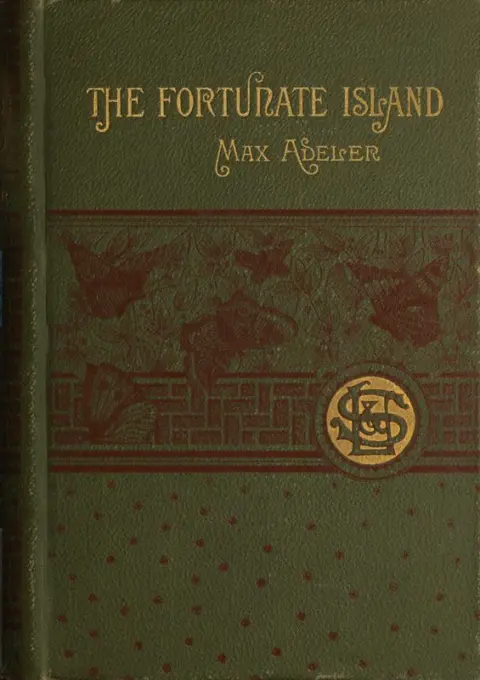
"The Fortunate Island, and Other Stories" by Charles Heber Clark is a collection of short stories written in the late 19th century. The book presents a blend of humor, adventure, and romance, with its opening tale focusing on the experiences of Professor E. L. Baffin and his daughter, Matilda, after they are shipwrecked and find themselves on a mysterious island harboring both natural beauty and unexpected inhabitants. As they navigate their new surroundings, themes of discovery and the clash between different cultures come to the fore. The opening of the book details the aftermath of the shipwreck of the "Morning Star," where Professor Baffin and Matilda manage to escape on a life-raft while the rest of the passengers are lost. As they drift towards a promising land, they wonder about what might await them—particularly whether it is inhabited by cannibals or features geological wonders. Their arrival on the island leads to an encounter with Father Anselm, a hermit who reveals that they have stumbled upon a lost civilization reminiscent of the time of King Arthur, setting the stage for the unique adventures and cultural encounters that follow, including humorous commentary on medieval customs and societal norms.
Introduction adapted from the source catalogue; source summaries may be automatically generated.
Free to read · English · 70,584 words · No account needed
MAKE TIME FOR A GOOD BOOK
On by default. Untick to stop anonymous reading totals. Each page counts after 10 seconds in view. How this works.
Anonymous counting is on unless you have switched it off.
“I can hardly believe it yet,” responded Miss Baffin.
“It does seem like a dream. And yet we are certainly wide awake, and we are in the hall of a real castle, waiting for real people to come to us.”
“Sir Dinadan seems very real, too,” said Miss Baffin, timidly.
“Very! There can be no doubt about it.”
“And he behaves like a real young man, too,” continued Miss Baffin. “He proposed to me this morning.”
“What! Proposed to you! Incredible! Why, the boy has not known you more than an hour or two.”
“He is a man, pa; not a boy,” said Miss Baffin, a little hurt. “It was rather sudden; but, then, genuine affection sometimes manifests itself in that way.”
The Professor smiled; he perceived the exact situation of things. Then he looked very serious again. This was a contingency of which he had not taken account.
“Well, Tilly,” he said, “I hardly know what to say about the matter. It is so completely unexpected. You didn’t accept him?”
“No; not exactly, but--”
“Very well, then. We will leave the situation as it is for the present. When we have been here longer we can better determine what we should do.”
Sir Dinadan entered with the Baron. The Baron greeted his guests with warmth, making no allusion to the occurrences in the Hermit’s cell, and appearing, indeed, to have forgotten them.
“It is enough, sir, and fair damsel, that misfortune has thrown you upon our shores. You shall make this your home while you live.”
“A thousand thanks,” responded the Professor.
“I cherish the belief that I can be of service to you. By the way, may I ask how is the noble Lady Bors?”
“Suffering greatly. My son tells me you are a wise leech, and can give her release from her pain.”
“I hope I can. If you will permit my daughter, here, to see the lady and to follow my directions, we may be able to help her.”
“There,” said the Baron, waving his hand, “are your apartments. When you have made ready we will summon you to our banquet.”
“Your property, which was upon the beach, will be placed before you very soon,” said Sir Dinadan.
The Professor and Miss Baffin entered the rooms, and the Baron withdrew
with his son.
When the trunks came and were opened, the guests arrayed themselves in their finest costumes, and Miss Baffin contrived to give to her beauty a bewildering effect by an artistic arrangement of frippery, which received its consummation when she placed some lovely artificial flowers in her hair.
Your reading position is saved on this browser. Take it to another device with a library code. Reading pages adapt to text, rather than matching a printed edition.
BEHIND THE BOOK
This eBook is for the use of anyone anywhere in the United States and most other parts of the world at no cost and with almost no restrictions whatsoever. You may copy it, give it away or re-use it under the terms of the Project Gutenberg License included with this eBook or online at www.gutenberg.org. If you are not located in the United States, you will have to check the laws of the country where you are located before using this eBook. Read the source licence.
The original source file, including credits and licence, is retained by this library. Request an original-format copy at no charge. Please include the book title and Project Gutenberg identifier #60632.
KEEP YOUR CURIOSITY GOING
Coulson Kernahan

Maurice Baring
Frances Wright
Cécile Tormay

Frederic Jesup Stimson

W. H. P. (William Henry Pope) Jarvis