THE CLASSIC COLLECTION✦Little Guzzy, and other storiesCLASSIC FREE BOOKS
Little Guzzy, and other stories
John Habberton
THE CLASSIC COLLECTION · 1877
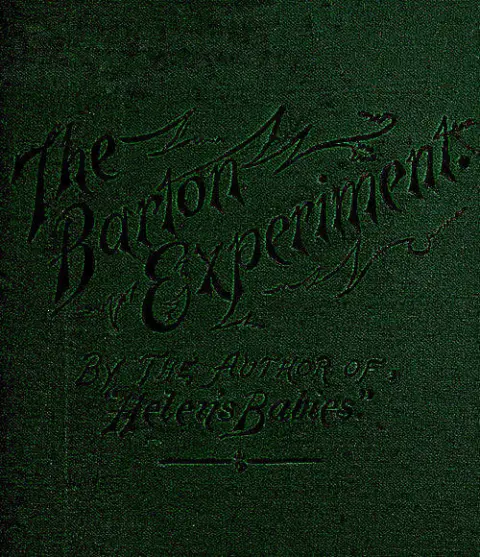
"The Barton Experiment" by John Habberton is a novel written in the late 19th century. The book primarily explores themes related to temperance and social reform in a small American town called Barton, focusing on various characters who struggle with issues of alcohol addiction, community dynamics, and personal morality. Through the lens of reformers and everyday individuals, it delves into the complexities of human behavior and societal expectations. The opening of the novel sets the stage for a significant temperance meeting in Barton, organized to address the rampant alcohol consumption in the community. As the townspeople gather at the Methodist Church, they are introduced to a rich cast of characters, including the influential Major Ben Bailey who is poised to speak against alcohol, as well as Squire Tomple, who embodies the tension between business interests and moral activism. The atmosphere is charged with excitement and hope, but underlying currents of doubt about the efficacy of these reform efforts also begin to surface—particularly through the perspectives of individuals like George Doughty and the former rum-seller, Mr. Crupp. This juxtaposition highlights the struggle between idealism and realism within the movement, setting the foundation for the characters’ journeys throughout the novel.
Introduction adapted from the source catalogue; source summaries may be automatically generated.
Free to read · English · 41,026 words · No account needed
MAKE TIME FOR A GOOD BOOK
On by default. Untick to stop anonymous reading totals. Each page counts after 10 seconds in view. How this works.
Anonymous counting is on unless you have switched it off.
The funeral services of George Doughty were as largely attended as the great temperance meeting had been, and the attendants admitted--although the admission was not, logically, of particular force--that they received the worth of their money. The pall-bearers, twelve in number, were all young men who had been in the habit of drinking, but who had signed the pledge, some of them having appended signatures to special pledges privately prepared on the evening before the service. The funeral anthem was as doleful as the most sincere mourner could have wished, the music having been composed especially for the occasion by the chorister of Mr. Wedgewell’s church. As for the sermon, it was universally voted the most powerful effort that Parson Wedgewell had ever made. Day and night had the good man striven with Doughty’s parting injunction, determined to transmit the exact spirit of it, but horrified at its verbal form. At last he honestly made George’s own words the basis of his whole sermon; his method being, first, to show what would have been naturally the last words of a young man of good birth and Christian breeding, and then presenting George’s moral legacy by way of contrast. To point the moral without offending Squire Tomple’s pride, and without inflicting useless pain upon the Squire’s sufficiently wounded heart, was no easy task; but the parson was not lacking in tact and tenderness, so he succeeded in making of his sermon an appeal so powerful and all-applicable that none of the hearers found themselves at liberty to search out those to whom the sermon might seem personally addressed.
Among the hearers was Mr. Crupp, and no one seemed more deeply interested and affected. He followed the funeral cortege to the cemetery; but, arrived there, he halted at the gate, instead of following the example of the multitude by crowding as closely as possible to the grave. The final services were no sooner concluded, however, than the object of Mr. Crupp’s unusual conduct became apparent to one person after another, the disclosure being made to people in the order of their earthly possessions. The parson was shocked at learning that Mr. Crupp was importuning every man of means to take stock in a woolen mill, to be established at Barton; but a whispered word or two from Crupp caused the parson to abate his displeasure, and finally to stand near Crupp’s side and express his own hearty approbation of the enterprise proposed. Then Mr. Crupp whispered a few words to Squire Tomple, and the Squire subscribed a hundred shares at ten dollars each, information of which act was disseminated among business men and well-to-do farmers by Parson Wedgewell with an alacrity which, had modern business ideas prevailed at Barton, would have laid the parson open to a suspicion of having accepted a few shares, to be paid for by his own influence. Then Deacon Jones subscribed twenty shares, and Judge Macdonald, Fred’s father, promised to take fifty; Crupp’s name already stood at the head of the list for a hundred. No stock-company had ever been organized at Barton before, and the citizens had always manifested a laudable reluctance to allow other people to handle their money; but this case seemed an exception to all others; confidence in the enterprise was so powerfully expressed, alike by the mercantile community, the bar, the church, and the unregenerate (the last-named class being represented by the ex-vender of liquors), that people who had any money made haste to participate in what seemed to them a race for wealth with the odds in everybody’s favor. Crupp neglected no one; he scorned no subscription on account of its smallness; before he left the cemetery gate nearly half the requisite capital had been pledged, and before he slept that night he found it necessary to accept rather more than the twenty thousand dollars which, it had been decided two days before, would be needed. Several days later a board of directors was elected; two or three of the directors informally offered the superintendency of the mill to Fred Macdonald, on condition that he would pledge himself to abstain from the use of intoxicating beverage while he held the position, and then Fred was elected superintendent in regular form and by unanimous vote of the board of directors.
Your reading position is saved on this browser. Take it to another device with a library code. Reading pages adapt to text, rather than matching a printed edition.
John Habberton
John Habberton
John Habberton
John Habberton
BEHIND THE BOOK
This eBook is for the use of anyone anywhere in the United States and most other parts of the world at no cost and with almost no restrictions whatsoever. You may copy it, give it away or re-use it under the terms of the Project Gutenberg License included with this eBook or online at www.gutenberg.org. If you are not located in the United States, you will have to check the laws of the country where you are located before using this eBook. Read the source licence.
The original source file, including credits and licence, is retained by this library. Request an original-format copy at no charge. Please include the book title and Project Gutenberg identifier #53031.
KEEP YOUR CURIOSITY GOING
Coulson Kernahan

Maurice Baring
Frances Wright
Cécile Tormay

Frederic Jesup Stimson

W. H. P. (William Henry Pope) Jarvis