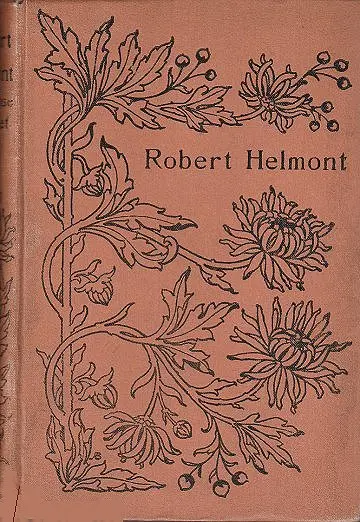
Robert Helmont: Diary of a Recluse, 1870-1871
Alphonse Daudet
THE CLASSIC COLLECTION · 1887
"Tartarin on the Alps" by Alphonse Daudet is a humorous novel written in the late 19th century. This work follows the adventures of Tartarin, a larger-than-life character who embodies the spirit of his hometown, Tarascon, known for its imaginative and boastful inhabitants. The story begins with Tartarin's misadventures in the Swiss Alps, highlighting themes of bravado and the clash between reality and fantasy as he engages with fellow tourists and prepares for an ascent. The opening of the novel introduces readers to a fog-shrouded evening at the Rigi-Kulm hotel, where tourists gather for dinner, fixated on the novelty of their surroundings. Among them is Tartarin, a rotund man cloaked in the garb of an Alpinist, who becomes the center of attention due to his unusual attire and exuberant demeanor. While he attempts to fit in and navigate the challenges of dining and engaging with other guests, he is met with a mix of confusion and disdain. The scene unfolds with comedic interactions that set the tone for Tartarin's escapades, while his aspirations to conquer the Alps ignite a humorous exploration of his character and existential musings on fame, identity, and recognition in a foreign land.
Introduction adapted from the source catalogue; source summaries may be automatically generated.
Free to read · English · 50,490 words · No account needed
MAKE TIME FOR A GOOD BOOK
On by default. Untick to stop anonymous reading totals. Each page counts after 10 seconds in view. How this works.
Anonymous counting is on unless you have switched it off.
“On Chimborazo we never roped one another to cross crevasses.”
The delegates looked at one another. As a tarasconade that remark
surpassed them all.
“Oh, that Bompard, pas mouain...” murmured Pascalon, with ingenuous
admiration.
But père Baltet, taking Chimborazo seriously, protested against the practice of not roping. According to him, no ascension over ice was possible without a rope, a good rope of Manila hemp; then, if one slipped, the others could hold him.
“Unless the rope breaks, Monsieur Baltet,” said Tartarin, remembering the catastrophe on the Matterhorn.
But the landlord, weighing his words, replied:
“The rope did not break on the Matterhorn... the rear guide cut it with a blow of his axe...”
As Tartarin expressed indignation,--
“Beg pardon, monsieur, but the guide had a right to do it... He saw the impossibility of holding back those who had fallen, and he detached himself from them to save his life, that of his son, and of the traveller they were accompanying... Without his action seven persons would have lost their lives instead of four.”
Then a discussion began. Tartarin thought that in letting yourself be roped in file you were bound in honour to live and die together; and growing excited, especially in presence of ladies, he backed his opinion by facts and by persons present: “Tomorrow, té! to-morrow, in roping myself to Bom-pard, it is not a simple precaution that I shall take, it is an oath before God and man to be one with my companion and to die sooner than return without him, coquin de sort!”
“I accept the oath for myself, as for you, Tar-tarin...” cried Bompard from the other side of the round table.
Exciting moment!
The minister, electrified, rose, came to the hero and inflicted upon him a pump-handle exercise of the hand that was truly English. His wife did likewise, then all the young ladies continued the shake hands with enough vigour to have brought water to the fifth floor of the house. The delegates, I ought to mention, were less enthusiastic.
“Eh, bé! as for me,” said Bravida, “I am of M. Baltet’s opinion. In matters of this kind, each man should look to his own skin, pardi! and I understand that cut of the axe perfectly.”
“You amaze me, Placide,” said Tartarin, severely; adding in a low voice: “Behave yourself! England is watching us.”
Your reading position is saved on this browser. Take it to another device with a library code. Reading pages adapt to text, rather than matching a printed edition.
Alphonse Daudet
Alphonse Daudet
Alphonse Daudet
Alphonse Daudet
BEHIND THE BOOK
This eBook is for the use of anyone anywhere in the United States and most other parts of the world at no cost and with almost no restrictions whatsoever. You may copy it, give it away or re-use it under the terms of the Project Gutenberg License included with this eBook or online at www.gutenberg.org. If you are not located in the United States, you will have to check the laws of the country where you are located before using this eBook. Read the source licence.
The original source file, including credits and licence, is retained by this library. Request an original-format copy at no charge. Please include the book title and Project Gutenberg identifier #25768.
KEEP YOUR CURIOSITY GOING
Coulson Kernahan

Maurice Baring
Frances Wright
Cécile Tormay

Frederic Jesup Stimson

W. H. P. (William Henry Pope) Jarvis