
Letters to a Friend, Written to Mrs. Ezra S. Carr, 1866-1879
John Muir
THE CLASSIC COLLECTION · 1896
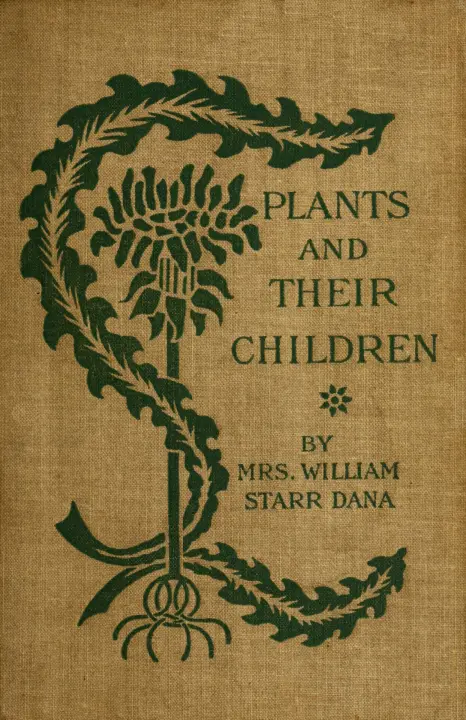
"Plants and their Children" by Frances Theodora Parsons is a children's educational book written in the late 19th century. The publication focuses on teaching young readers about the various aspects of plant life, how plants grow, reproduce, and their importance to the ecosystem. Through engaging narratives and illustrations, it aims to cultivate a sense of curiosity and appreciation for nature in children, making it accessible and enjoyable. The opening portion introduces readers to the concept of plants, particularly apples, through a lively and imaginative narrative that encourages children to relate everyday experiences in nature to their learning. Parsons employs vivid descriptions of an apple orchard, inviting readers to explore the lifecycle of an apple from blossom to fruit while engaging them with questions that stimulate curiosity. The section also outlines practical suggestions for teachers to enhance classroom learning with observations of nature, underscoring the significance of hands-on experiences with the natural world. Overall, this initial part sets a foundation for understanding and appreciating the intricate connections between plants, their growth processes, and their roles in a child’s learning journey.
Introduction adapted from the source catalogue; source summaries may be automatically generated.
Free to read · English · 60,770 words · No account needed
MAKE TIME FOR A GOOD BOOK
On by default. Untick to stop anonymous reading totals. Each page counts after 10 seconds in view. How this works.
Anonymous counting is on unless you have switched it off.
Mallow, stamens of, 195.
Mangrove, fruit and stem of, 92-94.
Maple, keys of, 86, 210.
winged seed of, 61, 86.
seed leaves of, 90.
branch of, 126.
buds of, 129.
leaf of, 136, 165, 167.
flower of, 210.
Maple, red, 92, 127.
Maple, silver, 210.
Maple, sugar, 92, 210.
Maple, swamp, 210.
Marsh marigold, a spring flower, 203.
plan of, 218.
pistils of, 219.
Midrib of leaf, 137.
Milkweed, pod of, 35, 95.
seedbox of, 57.
seeds of, 61.
Mistletoe, 110, 111.
Monocotyledonous plants (plants with one seed leaf), 88.
Morning-glory, seed leaves of, 78.
seed of, 83, 90.
development of, 112, 113.
stem of, 114, 115, 117, 123.
Mountain laurel, buds of, 129.
arrangement of stamens of, 226, 227.
Mullein leaves, 170, 175.
Nasturtium spur, 226.
Nepenthes leaf, 178, 179.
Nettles, 175.
Net-veined leaves, 165, 166.
Nightshade, enchanter’s, 195.
Nightshade, garden, 115.
Nourishment of plant, 150.
Oak, seed of, 68.
root of, 145.
leaf of, 167.
Oat seed, a food, 91.
Orchid family, 107, 223, 224.
Orchids, 123, 223, 224, 226.
Ovary, see “seedbox.”
Palm tree, trunk of, 121.
Pansy, plan of, 220.
Parallel-veined leaves, 166.
Parasitic plants, 108-111.
Parsley family, 247.
Partridge berries, 45, 46, 51.
Partridge vine, 46, 184, 231.
Pea, seed of, 80, 87, 90, 242.
seed leaves of, 87.
stem of, 115.
pod of, 241, 242.
Pea blossom, stamens of, 194, 241, 242.
pistil of, 200, 241, 242.
analysis of, 240-242.
Pea family, 54, 240.
Peach, compared with apple, 36.
blossom of, 38.
Persian origin of, 40.
buds of, 129.
Pear, compared with apple, 31.
blossom of, 32.
buds of, 129.
Pear, wild, 118.
Peony seeds, 75, 76.
Perspiration of plants, 148, 149, 160.
Petals (handkerchiefs), used as signals, 17, 18, 188, 192, 221,
223, 226.
functions of, 188.
Pine, cone of, 62.
classified, 88, 89.
leaves of, 171, 184.
flower of, 197.
Pins with dust boxes, see “stamens.”
Pins without dust boxes, see “pistils.”
Pistils (pins without dust boxes), described, 15, 18, 197-202.
function of, 188, 198, 199.
defined, 190.
varieties of, 200.
flowers with many, 201, 202.
fruit formed from, 202.
position of, 227, 228, 248.
of strawberry, 233, 234.
of berries, 236.
Pit or stone, 37.
Pitcher plant, 176-178.
Pith, defined, 120, 121.
Plants, flowering, 22.
object of life of, 22, 23.
use of, to world, 26, 27.
service of, to animals, 26, 27, 156, 157.
young, 75-98.
nourishment of, 75, 76, 77, 150, 156-160.
with two seed leaves (dicotyledons), 85-87.
with one seed leaf (monocotyledons), 88.
with many seed leaves (polycotyledons), 88, 89.
parasitic, 108-111.
development of, 112, 113.
absorption of water by, 147.
perspiration of, 148, 149, 160.
as air purifiers, 151-153, 158, 159.
breathing of, 158-160.
storing of food in, 185, 216, 217.
protection of, 214, 215.
Plants and animals, difference between, 154, 155.
Plum, compared with apple, 36.
blossom of, 38.
Plum, wild beach, 40.
Pods, 35, 54, 55, 58, 65-67, 241, 242.
Poison ivy, 107, 115, 116.
Pollen (flower dust), described, 14, 196-199.
carriers of, 17, 18, 189, 207, 213, 223, 224, 226-230, 233.
effect on pistil, 18, 20.
fertilizing power of, 18, 20, 196-199.
transportation of, 18, 207, 211, 213, 226, 227, 229-231, 233, 250.
function of, 188, 198, 199.
varieties of, 196, 197.
defined, 199, 200.
Polycotyledonous plants (plants with many seed leaves), 88, 89.
Polygala, 222.
Poplar tassels, 211.
Poppy seed, dispersal of, 70, 71.
Potato, a stem, 104, 131.
eyes of, 131, 174.
Potato, sweet, 102.
Prickles, 174, 175.
Primrose, evening, 197, 229, 230.
Protoplasm (life substance), 140, 141.
Puffballs, 35, 36, 59, 95.
Pussy willow, 129.
tassels of, 205-207.
Quince leaf, 135, 136, 137, 165.
Radish root, 102.
Raspberry, development of, 237-239.
Red baneberry, 49.
Red clover, stem of, 117.
Red maple, seed of, 92.
leaves of, 127.
buds of, 127.
Rhubarb plant, 164.
Robin’s plantain, 251, 252.
Root branches, 162-164.
Roots, origin of, 81, 113.
hairs of, 81, 99-102, 104, 123, 143.
function of, 99-103.
fibrous, 102, 103.
fleshy, 102-104.
as food, 103, 104.
above-ground, 106-111.
varieties of, 106-112.
hanging, 107.
underground, 111.
water, 111, 112.
absorbing capacity of, 146.
spreading of, 162, 163.
position of, 163, 164.
Roots and stems, 99-122.
Rootstocks, function of, 106, 217.
Rose, petals of, 32, 33.
stem of, 120.
Rose family, 31, 32, 36, 40, 235.
Rose hip, 33, 34.
Your reading position is saved on this browser. Take it to another device with a library code. Reading pages adapt to text, rather than matching a printed edition.
BEHIND THE BOOK
This eBook is for the use of anyone anywhere in the United States and most other parts of the world at no cost and with almost no restrictions whatsoever. You may copy it, give it away or re-use it under the terms of the Project Gutenberg License included with this eBook or online at www.gutenberg.org. If you are not located in the United States, you will have to check the laws of the country where you are located before using this eBook. Read the source licence.
The original source file, including credits and licence, is retained by this library. Request an original-format copy at no charge. Please include the book title and Project Gutenberg identifier #71942.
KEEP YOUR CURIOSITY GOING
John Muir

Asa Gray
Asa Gray

Florence Nightingale
Elizabeth Robins Pennell
Denison Olmsted