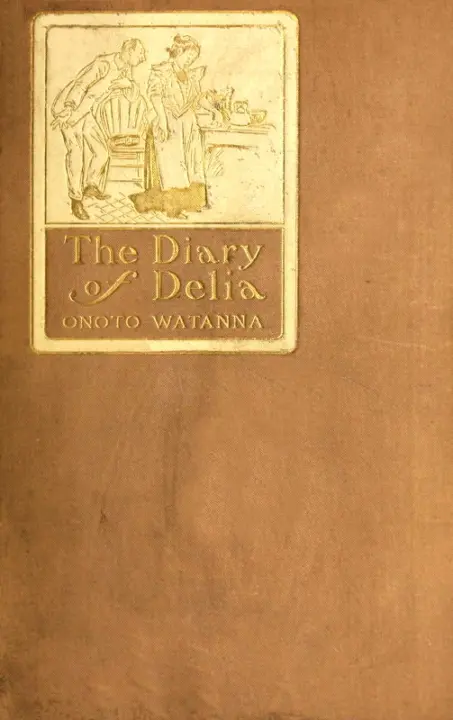
The diary of Delia : Being a veracious chronicle of the kitchen, with some side-lights on the parlour
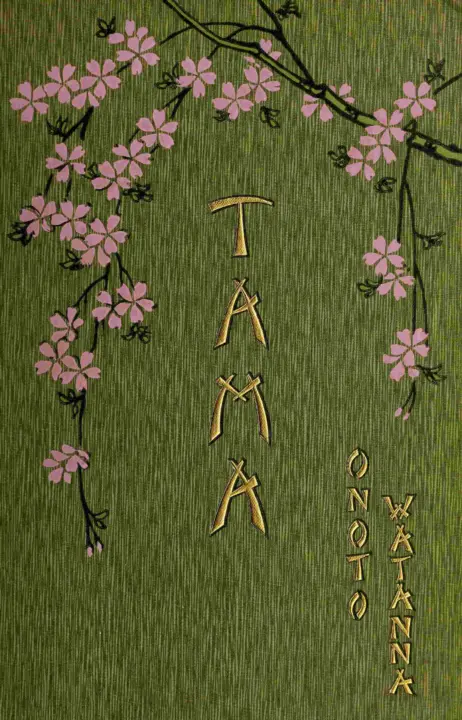
Onoto Watanna
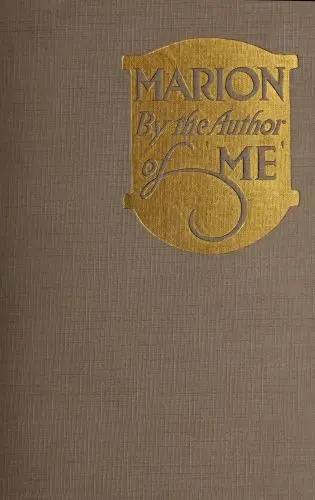
THE CLASSIC COLLECTION · 1916
"Marion: The Story of an Artist's Model" by Onoto Watanna is a novel written in the early 20th century. The story focuses on a young girl named Marion, who is navigating her childhood and aspirations against the backdrop of a large family living in Hochelaga, Montreal. As she grapples with her self-image and dreams of becoming an actress, the narrative explores themes of beauty, ambition, and family dynamics. At the start of the story, Marion is sent to buy groceries but feels embarrassed when a local grocer discusses her family in a way that makes them seem conspicuous. This sparks Marion's desire to be seen as pretty after a stranger calls her “remarkably pretty.” This moment ignites her aspiration to become an actress, distracting her from her duties at home. The opening portrays her family life, her interactions with her father, a struggling artist, and the challenges of poverty that they face. Marion's vivid imagination and daydreams about fame contrast with the harsh realities of her world, setting the stage for her journey toward self-discovery and ambition.
Introduction adapted from the source catalogue; source summaries may be automatically generated.
Free to read · English · 63,931 words · No account needed
MAKE TIME FOR A GOOD BOOK
On by default. Untick to stop anonymous reading totals. Each page counts after 10 seconds in view. How this works.
Anonymous counting is on unless you have switched it off.
“Monsieur de St. Vidal is ringing the doorbell,” called Ellen, “why don’t you open the door, Marion? I believe he has a birthday present for you in his hand.”
It was my sixteenth birthday, and Monsieur de St. Vidal was my first beau! He was a relative of our neighbors, the Prefontaines, and I liked him pretty well. I think I chiefly liked to be taken about in his stylish little dogcart. I felt sure all the other girls envied me.
“You go, Ellen, while I change my dress.”
I was anxious to appear at my best before St. Vidal. It was very exciting, this having a beau. I would have enjoyed it much more, however, but for the interfering inquisitiveness of my sisters, Ada and Ellen, who never failed to ask me each time I had been out with him, whether he had “proposed” yet or not.
Ellen was running up the stairs, and now she burst into our room excitedly, with a package in her hand.
“Look, Marion! Here’s your present. He wouldn’t stop--just left it, and he said, with such a Frenchy bow--whew! I don’t like the French!--‘Pour Mamselle Marion, avec mes compliments!’” and Ellen mimicked St. Vidal’s best French manner and voice.
I opened the package. Oh, such a lovely box of paints--a perfect
treasure!
“Just exactly what I wanted!” I cried excitedly, looking at the little tubes, all shiny and clean, and the new brushes and palette.
Ada was sitting reading by the window, and now she looked up and said:
“Oh, did that French wine merchant give that to Marion?”
She cast a disparaging glance at the box, and then, addressing Ellen,
she continued:
“Marion is disgustingly old for sixteen, but, of course, if he gives her presents” (he had never given me anything but candy before) “he will propose to her, I suppose. Mama married at sixteen, and I suppose some people--” Ada gave me another look that was anything but approving--“are in a hurry to get married. I shall never marry till I am twenty-five!” Ada was twenty.
This time, Ellen, who was eighteen, got the condemning look. Ellen was engaged to be married to an American editor, who wrote to her every day in the week and sometimes telegraphed. They were awfully in love with each other. Ellen said now:
“Oh, he’ll propose all right. Wallace came around a whole lot, you know, before he actually popped.”
“Well, maybe so,” said Ada, “but I think we ought to know that French wine merchant’s intentions pretty soon. I’ll ask him if you like,” she volunteered.
Your reading position is saved on this browser. Take it to another device with a library code. Reading pages adapt to text, rather than matching a printed edition.
Onoto Watanna
Onoto Watanna
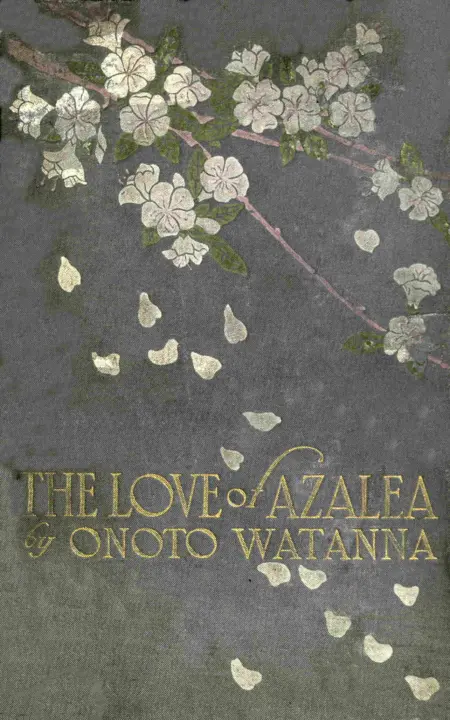
Onoto Watanna
Onoto Watanna
BEHIND THE BOOK
This eBook is for the use of anyone anywhere in the United States and most other parts of the world at no cost and with almost no restrictions whatsoever. You may copy it, give it away or re-use it under the terms of the Project Gutenberg License included with this eBook or online at www.gutenberg.org. If you are not located in the United States, you will have to check the laws of the country where you are located before using this eBook. Read the source licence.
The original source file, including credits and licence, is retained by this library. Request an original-format copy at no charge. Please include the book title and Project Gutenberg identifier #57920.
KEEP YOUR CURIOSITY GOING
Coulson Kernahan

Maurice Baring
Frances Wright
Cécile Tormay

Frederic Jesup Stimson

W. H. P. (William Henry Pope) Jarvis