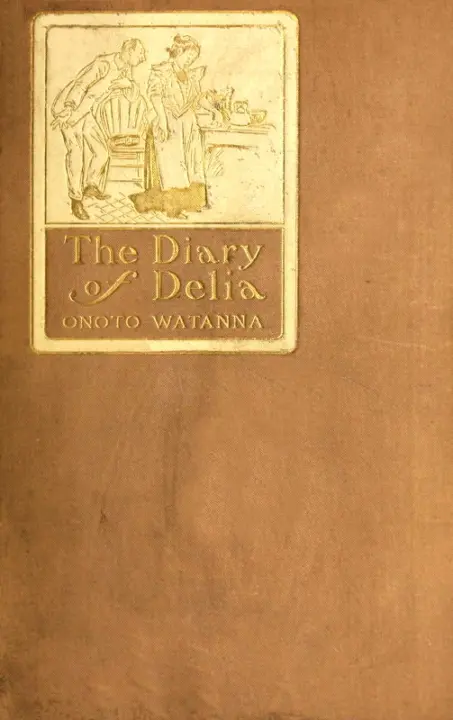
The diary of Delia : Being a veracious chronicle of the kitchen, with some side-lights on the parlour
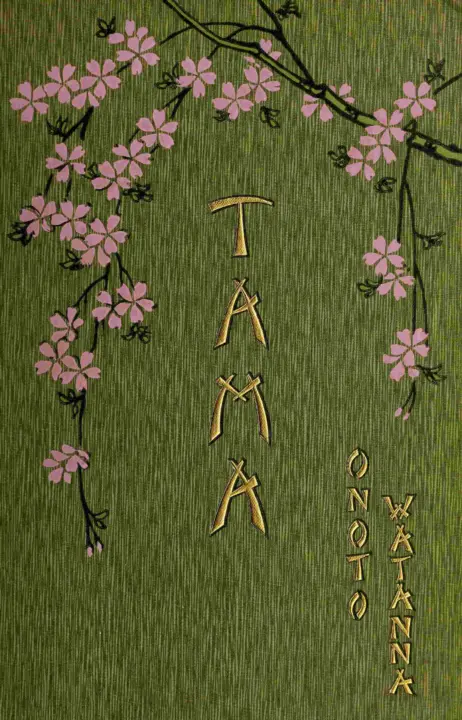
Onoto Watanna
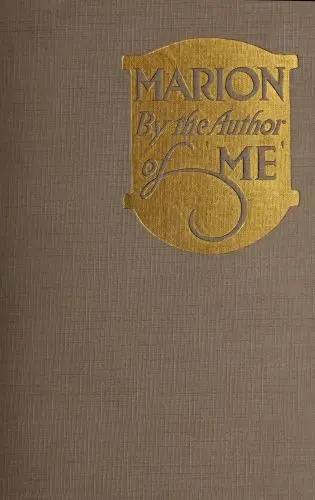
THE CLASSIC COLLECTION · 1916
"Marion: The Story of an Artist's Model" by Onoto Watanna is a novel written in the early 20th century. The story focuses on a young girl named Marion, who is navigating her childhood and aspirations against the backdrop of a large family living in Hochelaga, Montreal. As she grapples with her self-image and dreams of becoming an actress, the narrative explores themes of beauty, ambition, and family dynamics. At the start of the story, Marion is sent to buy groceries but feels embarrassed when a local grocer discusses her family in a way that makes them seem conspicuous. This sparks Marion's desire to be seen as pretty after a stranger calls her “remarkably pretty.” This moment ignites her aspiration to become an actress, distracting her from her duties at home. The opening portrays her family life, her interactions with her father, a struggling artist, and the challenges of poverty that they face. Marion's vivid imagination and daydreams about fame contrast with the harsh realities of her world, setting the stage for her journey toward self-discovery and ambition.
Introduction adapted from the source catalogue; source summaries may be automatically generated.
Free to read · English · 63,931 words · No account needed
MAKE TIME FOR A GOOD BOOK
On by default. Untick to stop anonymous reading totals. Each page counts after 10 seconds in view. How this works.
Anonymous counting is on unless you have switched it off.
Colonel Stevens was staring at me, and he had thrust into his right eye a shining monocle. I thought him very grand and distinguished-looking, much superior to St. Vidal. Anyway we were tired of the French, having them on all sides of us, and, as I have said, I admired the blond type of men. Colonel Stevens was not exactly blond, for his hair was gray (he was bald on top, though his hat covered that), but he was typically British, and somehow the Englishmen always appeared to me much superior to our little French Canucks, as we called them.
Said the Colonel, pulling at his mustache:
“A laughing young girl in a pink cotton frock is the sweetest thing on
earth.”
I had on a pink cotton frock, and I was laughing. I thought of what I had heard Madame Prefontaine say to mama--in a whisper:
“He is one dangerous man--dat Colonel Steven, and any woman seen wiz him will lose her reputation.”
“Will I lose mine?” I asked myself. I must say my heart beat, fascinated
with the idea.
Something now was really happening, and I was excited and delighted.
“Can’t we take the ladies--” I nudged Ellen--“some place for a little refreshment,” said the Colonel.
“No,” said Ellen, “mama expects us home.”
“Too bad,” murmured the Colonel, very much disappointed, “but how about some other night? To-morrow, shall we say?” Looking at me, he added: “May I send you some roses, just the color of your cheeks?”
I nodded from behind Ellen’s back.
“Come on,” said Ellen brusquely, “we’d better be getting home. You know you’ve got the dishes to do, Marion.”
She drew me along. I couldn’t resist looking back, and there was that fascinating Colonel, standing stock-still in the street, still pulling at his mustache, and staring after me. He smiled all over, when I turned, and blew me an odd little kiss, like a kind of salute, only from his lips.
That night, when Ellen and I were getting ready for bed, I said:
“Isn’t the Colonel thrillingly handsome though?”
“Ugh! I should say not,” said Ellen. “Besides he’s a married man, and a
flirt.”
“Well, I guess he doesn’t love his old wife,” said I.
“If she is old,” said Ellen, “so is he--maybe older. Disgusting.”
All next day I waited for that box of roses, and late in the afternoon, sure enough, it came, and with it a note:
Your reading position is saved on this browser. Take it to another device with a library code. Reading pages adapt to text, rather than matching a printed edition.
Onoto Watanna
Onoto Watanna
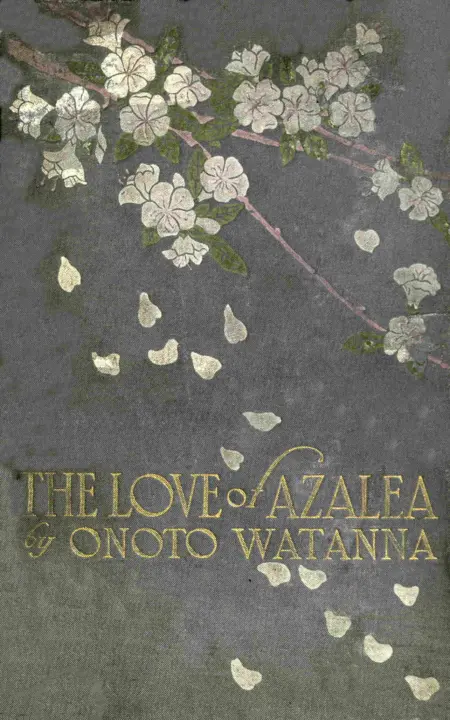
Onoto Watanna
Onoto Watanna
BEHIND THE BOOK
This eBook is for the use of anyone anywhere in the United States and most other parts of the world at no cost and with almost no restrictions whatsoever. You may copy it, give it away or re-use it under the terms of the Project Gutenberg License included with this eBook or online at www.gutenberg.org. If you are not located in the United States, you will have to check the laws of the country where you are located before using this eBook. Read the source licence.
The original source file, including credits and licence, is retained by this library. Request an original-format copy at no charge. Please include the book title and Project Gutenberg identifier #57920.
KEEP YOUR CURIOSITY GOING
Coulson Kernahan

Maurice Baring
Frances Wright
Cécile Tormay

Frederic Jesup Stimson

W. H. P. (William Henry Pope) Jarvis