THE CLASSIC COLLECTION✦Hearts and the highwayCLASSIC FREE BOOKS
Hearts and the highway
Cyrus Townsend Brady
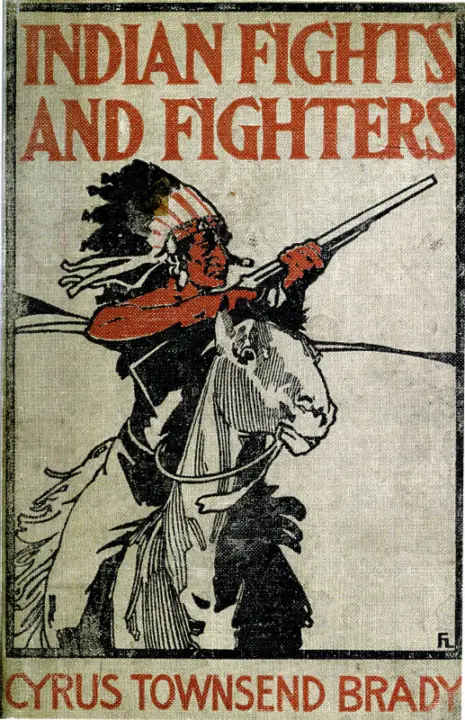
THE CLASSIC COLLECTION · 1904
"Indian Fights and Fighters: The Soldier and the Sioux" by Cyrus Townsend Brady is a historical account written in the early 20th century. This work focuses on the battles and conflicts experienced by American soldiers and Native American tribes, particularly highlighting the Sioux nation during the Indian Wars. The book aims to offer a fair representation of the events, exploring both the soldiers' experiences and the perspectives of the Native Americans involved. The opening of the book sets the stage for the tumultuous military history surrounding Fort Phil Kearney during its brief existence from 1866 to 1868. It describes the fort's constant state of siege by the Sioux, led by notable figures like Red Cloud, as American soldiers attempted to protect emigrants and maintain control of the territory. The narrative introduces the complex relationships between the U.S. Army and the Native American tribes, emphasizing the personal accounts of soldiers who faced fierce resistance while also shedding light on the motivations and strategies of the Native Americans defending their land.
Introduction adapted from the source catalogue; source summaries may be automatically generated.
Free to read · English · 131,206 words · No account needed
MAKE TIME FOR A GOOD BOOK
On by default. Untick to stop anonymous reading totals. Each page counts after 10 seconds in view. How this works.
Anonymous counting is on unless you have switched it off.
Rabbit Creek, 307
Rain-in-the-Face (Itiomagaju), Indian chief, his grievance, 209–215;
capture of, 213–215;
escapes, 215;
attacks Custer, 256;
his revenge, 257;
his personal story of the fight, 279–292;
boasts of murdering Dr. Honzinger, 283;
his map of Custer’s battlefield, 287;
wounded, 289 note
Red Cloud (Mahapiya-luta), Sioux chief, opposes treaty with Gen.
Carrington, 7, 8;
revenge on, for massacre at Fort Phil Kearney, 39;
becomes leading war chief, 40;
surprised and disarmed by Gen. Mackenzie, 40 note;
his most thrilling adventure, 40, 41, note;
determines to capture Fort Phil Kearney, 41;
his attack, 46;
his baptism of fire, 51–56;
his losses in the attack on Capt. Powell’s wagon-corral, 58
Red Cloud Agency, 293
Rees, Indian auxiliaries, 238, 240, 267
Religious belief of Indians in regard to scalping, 91–92 note
Reno, Major Marcus A., in the Big Horn country, 218;
Custer gives command to, 232;
record of, 232 note;
his advance, 234–236;
his failure at the Little Big Horn, 237–243;
plan of his defence on the bluff, 247;
his failure to press his attack, 260;
his report to Custer, 265;
further light on the conduct of Major Reno, 398–405
Reno’s Creek, 233, 253
Reynolds, Charlie, famous scout, killed with Custer, 258
Reynolds, Gen. Joseph J., surprises and takes Crazy Horse’s village,
186
Riley, Lieut., killed, 258
Rodenbough, Gen., his “Sabre and Bayonet” quoted, 43, 44
Roman Nose, Indian chief, insolent speech of, 72, 73;
attacks Capt. Forsyth, 83–85;
charge of his five hundred warriors, 85–88;
killed, 87;
his tepee discovered by Capt. Carpenter, 105, 108, 109
Romero, Indian interpreter, 155, 167
Rosebud River, Crook’s advance against Indians on the, 189, 191–193;
battle of the, 193–198;
map of battle, 197;
Ex-Trooper Towne’s account of the battle on, 203–208
Rough Riders of ’68, the, 72–96
Royall, Col. William B., Fifth Cavalry, ordered to attack Indians on
Beaver Creek, 124;
given command under Gen. Crook, 188;
anecdote of, 188 note;
charges Indians at the Rosebud, 195, 196, 198
Salt Lake, white settlements at, 5
Salt Lake trail, 59
Sample, Gen. Carrington’s orderly, reports on Fetterman’s command, 30
Sand Creek, 60
Sans Arc Indians attack Capt. Powell’s corral, 48
Santa Fé trail, 7
Satanta, Kiowa Indian chief, 164;
captured by Custer, 169
Savage warfare, 339–344
Savagery, the rights of, 6
Scalping, Indian belief in, 91–92 note
Schlesinger, Sigmund, his bravery in Gen. Forsyth’s fight, 110; Gen. Fry’s poem on, 110 note; his story of the defense of Beecher’s Island, 113–122
Schwatka, Lieut., Arctic explorer, successful attack on Sioux by, 307
Second Cavalry, in tragedy of Fort Phil Kearney, 25, 60; other engagements, 188, 195, 196, 312, 335
Settlers on Indian lands, 6–7
Seventh Cavalry, Gen. Custer in command of, 146;
formation of regiment, 147;
protects Kansas settlers, 148;
in Sheridan’s winter campaign, 150;
other engagements, 213, 218, 229, 293, 305, 355
Sheridan, Gen. Philip, attacks the Cheyenne Indians, 75; inaugurates winter campaign against Indians, 150
Sheridan City, terminus of Union Pacific Railroad, 134
Sherman, Gen., advises ladies to join Gen. Carrington’s expedition, 11;
boy’s challenge to, 12;
acquits Gen. Carrington of all blame for disaster at Fort Phil
Kearney, 38
Short Nose Creek, 125, 127
Shoshone Indians, auxiliaries in Gen. Crook’s expedition, 190, 205
Sibley, Lieut. Frederick W., Third Cavalry, his scouting after Crazy
Horse, 298–303
Your reading position is saved on this browser. Take it to another device with a library code. Reading pages adapt to text, rather than matching a printed edition.
Cyrus Townsend Brady
Cyrus Townsend Brady
Cyrus Townsend Brady
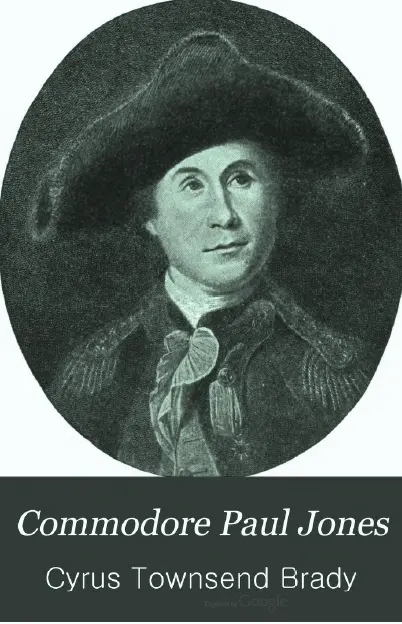
Cyrus Townsend Brady
BEHIND THE BOOK
This eBook is for the use of anyone anywhere in the United States and most other parts of the world at no cost and with almost no restrictions whatsoever. You may copy it, give it away or re-use it under the terms of the Project Gutenberg License included with this eBook or online at www.gutenberg.org. If you are not located in the United States, you will have to check the laws of the country where you are located before using this eBook. Read the source licence.
The original source file, including credits and licence, is retained by this library. Request an original-format copy at no charge. Please include the book title and Project Gutenberg identifier #55275.
KEEP YOUR CURIOSITY GOING
Cécile Tormay

Moritz Busch
John L. Ransom
Frances Wright
Cécile Tormay

Mabel Potter Daggett