THE CLASSIC COLLECTION✦Inkle and Yarico: An opera, in three actsCLASSIC FREE BOOKS
Inkle and Yarico: An opera, in three acts
George Colman
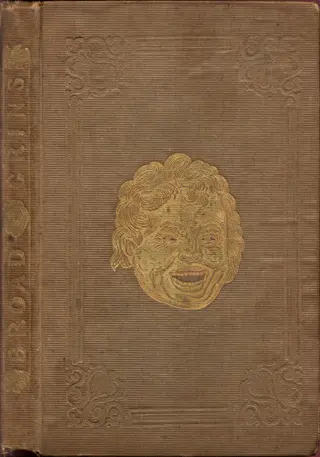
THE CLASSIC COLLECTION · 1803
"Broad Grins" by George Colman, the Younger is a collection of humorous poetry and tales written in the early 19th century. Initially published under the title "My Night-Gown and Slippers," this edition includes new additional tales in verse. The book likely reflects societal themes of its time, focusing on the quirks and follies of human nature, particularly in a comedic context. The collection features a variety of characters and settings, drawing on both contemporary society and historical figures. The poem "The Knight and the Friar" tells the story of Sir Thomas Erpingham, a knight who struggles with ennui after returning from battle and resorts to marrying for company, only to find his wife embroiled in a comic scandal involving a friar. Other tales, such as "The Newcastle Apothecary," humorously explore the medical profession and the absurdities associated with it. Through witty dialogue, playful rhymes, and satirical critiques of societal norms, Colman's work encapsulates the joys and absurdities of life, showcasing his keen observation of human behavior and the comedic potential hidden within everyday situations.
Introduction adapted from the source catalogue; source summaries may be automatically generated.
Free to read · English · 12,734 words · No account needed
MAKE TIME FOR A GOOD BOOK
On by default. Untick to stop anonymous reading totals. Each page counts after 10 seconds in view. How this works.
Anonymous counting is on unless you have switched it off.
Sir Thomas having close'd his love-sick strain,
Come, buxom Muse! and let us frisk again!
Close to a Chapel, near the Castle-gates,
Dwelt certain stickers in the Devil's skirts;
Who, with prodigious fervour, shave their pates,
And shew a most religious scorn for shirts.
Their House's sole Endowment was our Knight's:--
Thither an Abbot, and twelve Friars, retreating,
Conquer'd (sage, pious men!) their appetites
With that infallible specifick--eating.
'Twould seem, since tenanted by holy Friars,
That Peace and Harmony reign'd here eternally;--
Whoever told you so were cursed liars;--
The holy Friars quarrell'd most infernally.
Not a day past
Without some schism among these heavenly lodgers;
But none of their dissensions seem'd to last
So long as Friar John's and Friar Roger's.
I have been very accurate in my researches, And find this Convent (truce with whys and hows) Kept in a constant ferment with the rows Of these two quarrelsome fat sons of Churches.
But when Sir Thomas went to his devotions, Proceeding thro' their Cloister with his Bride, You never could have dream'd of their commotions, The stiff-rump'd rascals look'd so sanctified:
And it became the custom of the Knight
To go to matins every day;
He jogg'd his Bride, as soon as it was light,
Crying, "my dear, 'tis time for us to pray."--
This custom he establish'd, very soon,
After his honey-moon.
Wives of this age might think his zeal surprising;
But much his pious lady did it please,
To see her Husband, every morning, rising,
And going, instantly, upon his knees.
Never, I ween,
In any person's recollection,
Was such a couple seen,
For genuflection!
Making as great a drudgery of prayer
As humble Curates are oblige'd to do,--
Whose labour, wo the while! scarce buys them cassocks;
And, every morning, whether foul or fair,
Sir Thomas and the Dame were in their pew,
Craw-thumping, upon hassocks.
It could not otherwise befall
(Sir Thomas, and his Wife, this course pursuing,)
But that the Lady, affable to all,
Should greet the Friars, on her way
To matins, as she met them, every day,
Good morninging, and how d'ye doing:
Now nodding to this Friar, now to that,
As thro' the Cloister she was wont to trip;
Stopping, sometimes, to have a little chat,
On casual topicks, with the holy brothers;--
So condescending was her Ladyship,
To Roger, John, and all the others.
All this was natural enough
To any female of urbanity;--
But holy men are made of as frail stuff
As all the lighter sons of Vanity!--
And these her Ladyship's chaste condescensions,
In Friar John bred damnable desire;
Heterodox, unclean intentions;--
Abominable in a Friar!
Your reading position is saved on this browser. Take it to another device with a library code. Reading pages adapt to text, rather than matching a printed edition.
George Colman
George Colman
George Colman
George Colman
BEHIND THE BOOK
This eBook is for the use of anyone anywhere in the United States and most other parts of the world at no cost and with almost no restrictions whatsoever. You may copy it, give it away or re-use it under the terms of the Project Gutenberg License included with this eBook or online at www.gutenberg.org. If you are not located in the United States, you will have to check the laws of the country where you are located before using this eBook. Read the source licence.
The original source file, including credits and licence, is retained by this library. Request an original-format copy at no charge. Please include the book title and Project Gutenberg identifier #25426.
KEEP YOUR CURIOSITY GOING

Eric Mackay
Edmund Gosse
Sophia Margaretta Hensley
Gilbert Parker
George MacDonald

Elizabeth Bibesco