
Letters to a Friend, Written to Mrs. Ezra S. Carr, 1866-1879
John Muir
THE CLASSIC COLLECTION · 1900
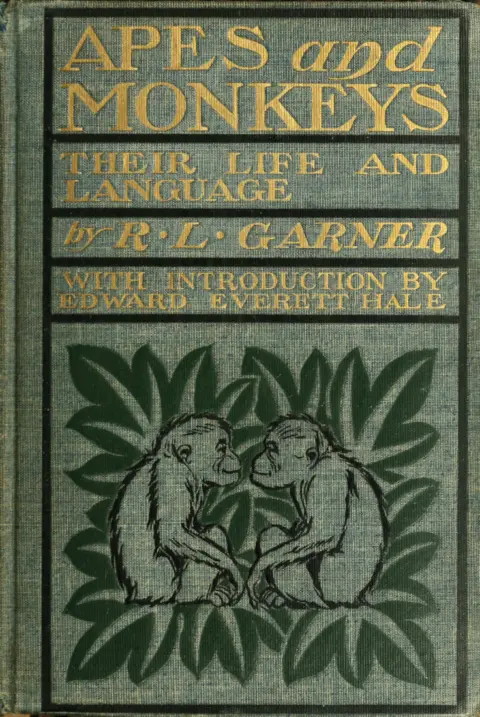
"Apes and Monkeys: Their Life and Language" by R. L. Garner is a scientific publication written in the late 19th century. The book explores the physical, mental, and social habits of apes and monkeys, aiming to provide a better understanding of these animals and their communication methods. Through the author's detailed observations and studies, readers can expect to gain insights into the similarities and differences between these creatures and humans. The opening portion of the book introduces readers to the author's extensive research background, highlighting his belief in the interconnectedness of all living beings. Garner emphasizes the importance of recognizing the complex behaviors and potential cognitive abilities of monkeys and apes. He also mentions his unique opportunity to study these animals in their natural habitats, which contrasts with the more common observational practices in captivity. The author expresses his goal of enriching human appreciation for nature and to inform readers about the intricacies of simian life, laying the groundwork for deeper explorations into their language and social behaviors in the subsequent chapters.
Introduction adapted from the source catalogue; source summaries may be automatically generated.
Free to read · English · 80,735 words · No account needed
MAKE TIME FOR A GOOD BOOK
On by default. Untick to stop anonymous reading totals. Each page counts after 10 seconds in view. How this works.
Anonymous counting is on unless you have switched it off.
Journeys in the jungle
to the chimpanzee country, 66
a five days’ journey on foot, 148
to the coast, 153
Jungle, the African
described, 66-70, 153
daily life in, 73 ff.
the quiet hour, 77
a tornado, 79 ff.
Kabinda (town), 191
Kanga ntyigo
etymology of the name, 272
Kanjo, The, 102-104
the drum, 104, 241
Keller, Helen
with Nellie, 52-53
Kisanga (valley and river), 212
Komo (river, also name of gunboat), 153, 213, 217
Kongo, 272
Kulu-kamba (see also under Chimpanzee, and references under
Chimpanzee captives)
its habitat, 87
described and compared with ntyigo, 87-91
Moses’ successor, 144
highest type of all apes, 202, 210
name applied to different types, 270
Lamberene (town), 270
Lemur, 2, 224
relative plane, 2, 277
Loango (valley), 192, 211, 267, 269
Longevity of chimpanzee, 98
Lopez, African explorer, 270
Lopez, Cape, 153, 270
Mafuka, 269, 274
Maladies of simians
pulmonary trouble common, 146
resemble man’s, 186
Malay Peninsula, 276
Mandrill, The, 14
Mayumba (town), 215, 216, 268
M’Bouve, 272
“McGinty”
his jealousy, 45, 46
Meanings of certain sounds in simian speech (see also under Monkeys,
Speech of, and Chimpanzees, Speech of)
sound meaning “food,” 19, 28, 29, 43, 112-113
sound meaning “drink,” 19, 28, 29
sound meaning “warning,” 14, 20, 27, 113
sound meaning “alarm,” 24, 27, 113
sound meaning “friendship,” 113
sound meaning “good,” 160, 181
calling sound, 112-113, 136
Mental power and status of simians (see also under Ape,
Chimpanzee, Monkey, Gorilla, “Aaron,” “Moses,” etc.)
compared to man, 105
compared to the dog, 116
Menu, My daily, 73, 77, 79, 84
Mesial crest (see Gorilla, Skeleton of)
“Mickie”
the boss of the school, 45-46
his tricks, 46
Middle forest, The, 68
Mirror, Experiments with, 40-41, 161-162
Mode of attack
of chimpanzee, 237
of gorilla, 236-237
Moiro, 217
Monkey, The (see also Simians)
human appearance, 1
relative plane, 2, 277
relationship to man, 2, 277
all simians not monkeys, 2-3
described, 3, 224
old world and new world, 3
cranio-facial angles, 9
Cebus species (see Cebus)
Capuchin species (see Capuchin)
perception of sound, color, form, dimension, quality, number, music,
etc., 30-37
code of ethics, 30
Rhesus species (see Rhesus)
difference in traits and tastes, 35
express emotion, 50
affection not mere instinct, 58-59
Monkeys, Laughter of, 38, 54-55
Monkeys, Speech of
study of, 14 ff.
poor success of first efforts, 15
sound meaning “alarm” or “warning,” 14, 20, 24, 27
phonograph first used, 16-18
sounds have constant meanings, 15, 18, 23
number of sounds interpreted, 18
sounds described, 19-20
speech monophrastic and monophonetic, 19, 44
pitch of voice, 20, 28, 50
resemblance to human speech, 20, 22-23
each species has its own speech, 23, 44
sign of surrender, 25 ff.
sound meaning “food,” 19, 28, 29
sound meaning “drink,” 19, 28, 29
musical quality of voices, 19, 25, 45, 47, 50, 53, 57
eloquence, 22, 47-50
types of speech and inflections, 23, 42, 60
Your reading position is saved on this browser. Take it to another device with a library code. Reading pages adapt to text, rather than matching a printed edition.
BEHIND THE BOOK
This eBook is for the use of anyone anywhere in the United States and most other parts of the world at no cost and with almost no restrictions whatsoever. You may copy it, give it away or re-use it under the terms of the Project Gutenberg License included with this eBook or online at www.gutenberg.org. If you are not located in the United States, you will have to check the laws of the country where you are located before using this eBook. Read the source licence.
The original source file, including credits and licence, is retained by this library. Request an original-format copy at no charge. Please include the book title and Project Gutenberg identifier #67517.
KEEP YOUR CURIOSITY GOING
John Muir

Asa Gray
Asa Gray

Florence Nightingale
Elizabeth Robins Pennell
Denison Olmsted