
Letters to a Friend, Written to Mrs. Ezra S. Carr, 1866-1879
John Muir
THE CLASSIC COLLECTION · 1900
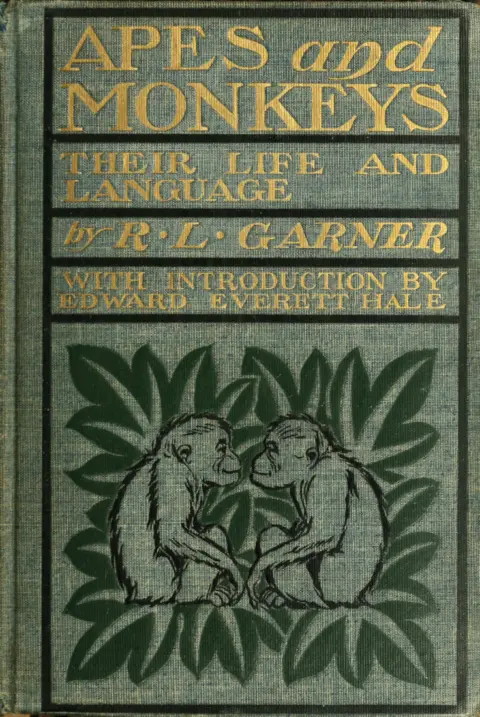
"Apes and Monkeys: Their Life and Language" by R. L. Garner is a scientific publication written in the late 19th century. The book explores the physical, mental, and social habits of apes and monkeys, aiming to provide a better understanding of these animals and their communication methods. Through the author's detailed observations and studies, readers can expect to gain insights into the similarities and differences between these creatures and humans. The opening portion of the book introduces readers to the author's extensive research background, highlighting his belief in the interconnectedness of all living beings. Garner emphasizes the importance of recognizing the complex behaviors and potential cognitive abilities of monkeys and apes. He also mentions his unique opportunity to study these animals in their natural habitats, which contrasts with the more common observational practices in captivity. The author expresses his goal of enriching human appreciation for nature and to inform readers about the intricacies of simian life, laying the groundwork for deeper explorations into their language and social behaviors in the subsequent chapters.
Introduction adapted from the source catalogue; source summaries may be automatically generated.
Free to read · English · 80,735 words · No account needed
MAKE TIME FOR A GOOD BOOK
On by default. Untick to stop anonymous reading totals. Each page counts after 10 seconds in view. How this works.
Anonymous counting is on unless you have switched it off.
“Moses”
my sole companion in the cage, 71
his breakfast, 73
his amusements, 73, 120, 122-124
his siesta, 77, 124
position in sleep, 96
learns a word of human speech, 115-116, 137-138
his capture, 117-118
his moral training, 118, 120-121, 130-132
his tricks, 120-121, 123-124, 131
dexterity and ingenuity, 122, 126, 129-130, 132-133
reading the newspaper, 123
his jealousy and temper, 125, 186
our walks in the jungle, 125
understood rights of possession, 125, 128
preferences in food, 128, 129, 132
meaning of sounds, 123, 125, 135-137
his quick vision, 125
a severe lesson, 131-132
reasoning power, 133
his devotion, 134-135
perception of form, color, music, etc., 139
he signs a legal document, 139-140
last illness, 140-142, 149-151
his chimpanzee nurse, 149-152
his death, 142, 151, 152
his claims to fame, 143
Mpongwe, 86
Music, Simians’ perception of, 35-36
Native explanation of relationships, 269-270
Native reports unreliable, 215, 231
Nazavine (bay), 270
“Nellie”
her love of companionship, 20, 22
warns me of danger, 21 ff.
her perception of sound, 22
with Helen Keller, 52-53
her ingenuity, 56-57
“Nemo”
his diplomacy, 47
his abject apology, 47-48
Nenge Nenge (town), 214
New world monkeys, 3
their superior intelligence, 35
New York Zoölogical Gardens, Experiments at, 45-51
Nguni (river), 154, 211, 213, 218
“Nigger,” 45, 51
Njina, 228, 267, 269, 270
Njole (town), 213
Nkami (tribe, lake, and river), 66, 144, 212, 218, 272
Noogo (river), 144
Nose a distinguishing feature, The, 3
Ntcheego, 268
Ntyigo (see also under Chimpanzee)
its habitat, 87
described, 87-90
compared with kulu-kamba, 90-91
distinguished from ntyii, 228
Ntyii, 223, 228, 267, 269-270
Ntyi-ne-nye-ni (village), 144
Number, Perception of
by simians, 32-34, 36
by birds, 34
Ogowé (river, delta, and basin), 66, 117, 202, 211, 213, 214, 215,
217, 218, 223, 272
Old world monkeys, 3
Orang, The
order of intelligence, 4
arboreal habit, 97
a captive at Bellevue, 200
compared, 274, 275
Orungu (tribe), 215
“Othello”
place of capture, 221
absence of humor, 244
illness and death, 247-249
with Moses, 249, 250
his speech sounds, 251
Owen, Sir Richard, writer on Africa, 215
Parrot Island, 214
Paternal instinct in animals, 100
“Pedro”
his troubles, 38
appreciation of kindness, 38
recording his sounds, 38, 39
his tale of woe, 39, 41
speech repeated to Puck, 39-41
Philadelphia Museum of Zoölogy, Specimens at, 217
Phonograph as a means of recording speech of monkeys, 15 ff.
first experiments, 16 ff.
behavior of monkeys on hearing, 16-18
speech and reply recorded, 18
Pedro’s speech recorded, 38
experiment with Puck, 39-41
Pitch of voice
in monkeys, 20, 28
in apes, 108, 109, 111-112
Platarrhini, 3
Pongo, 267, 269
Program, A day’s, 73 ff.
“Puck,” his perplexity on hearing phonograph, 39-41
Quality, Simians’ perception of, 30
Quantity, Simians’ perception of, 32
Reasoning power in simians, Evidences of, 16-18, 33-34, 36, 37, 105,
133, 161, 206
Records of speech sounds (see Phonograph)
Rembo (river), 144, 218
Resemblances between simians and man
in body, 1, 2, 4-8, 60, 92, 186, 277
in speech, 20, 22-23, 116
in affections, 58-59, 173, 174
Rhesus monkey, 32
Romanes, Professor
experiments with chimpanzee, 34
experiments with “Sally,” 241
Sacrum (see Skeleton)
Sagittal ridge (see Gorilla, Skeleton of)
Sailor’s pet, A
his suit rejected, 163-165
“Sally,” 241
“Sally Jones,” 244
Savage, Dr., African traveler, 213, 214, 216
Scream of gorilla and chimpanzee, 84, 109, 237-242
Sette Kama (town), 144, 212
Sheldon, Mrs. M. French, African traveler, 25
Sierra Leone, 266
Simians (see Apes, Monkeys, etc.)
wide range of types, 2
different forms described, 3
two grand divisions, how distinguished, 3
Your reading position is saved on this browser. Take it to another device with a library code. Reading pages adapt to text, rather than matching a printed edition.
BEHIND THE BOOK
This eBook is for the use of anyone anywhere in the United States and most other parts of the world at no cost and with almost no restrictions whatsoever. You may copy it, give it away or re-use it under the terms of the Project Gutenberg License included with this eBook or online at www.gutenberg.org. If you are not located in the United States, you will have to check the laws of the country where you are located before using this eBook. Read the source licence.
The original source file, including credits and licence, is retained by this library. Request an original-format copy at no charge. Please include the book title and Project Gutenberg identifier #67517.
KEEP YOUR CURIOSITY GOING
John Muir

Asa Gray
Asa Gray

Florence Nightingale
Elizabeth Robins Pennell
Denison Olmsted