THE CLASSIC COLLECTION✦Thorns of regretCLASSIC FREE BOOKS
Thorns of regret
Alex. McVeigh, Mrs. Miller
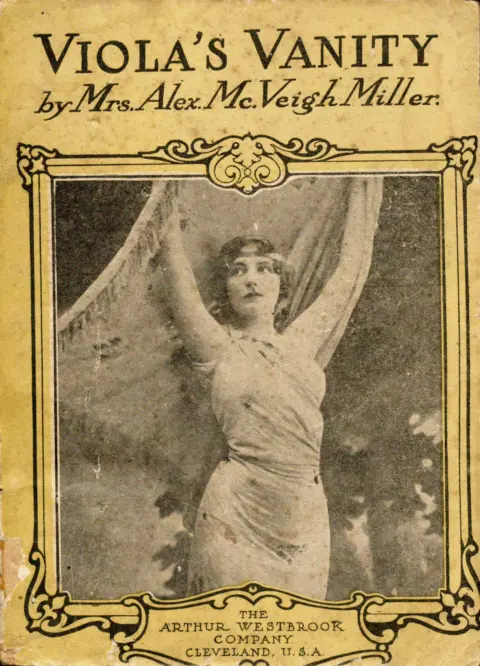
THE CLASSIC COLLECTION · 1897
"Viola's Vanity: or A Bitter Expiation" by Mrs. Alex. McVeigh Miller is a novel written in the late 19th century. The story revolves around Viola Van Lew, a beautiful and capricious young woman who garners the affection of many suitors but plays with their hearts without truly understanding the consequences of her actions. This examination of youth, vanity, and the complexities of love sets the stage for a poignant exploration of maturity and the impact of fleeting decisions on lives. The opening of the novel introduces Viola as a society belle who jilted her fiancé to elope with a poor journalist, Rolfe Maxwell. As the narrative unfolds, it delicately portrays her thoughtless nature, juxtaposed against the deep feelings of those around her. During the early chapters, Viola's interactions with men, especially her artist fiancé Florian Gay and the more serious Professor Desha, showcase her struggle between love and flirtation. The repercussions of her actions come to a head when she unintentionally causes distress to others, leading to a moment of deep reflection and the eventual realization of her heart's true desires. As the story develops, themes of remorse and growth become pivotal, hinting at a transformative journey for the naïve young lady captivated by her charm and admiration.
Introduction adapted from the source catalogue; source summaries may be automatically generated.
Free to read · English · 55,560 words · No account needed
MAKE TIME FOR A GOOD BOOK
On by default. Untick to stop anonymous reading totals. Each page counts after 10 seconds in view. How this works.
Anonymous counting is on unless you have switched it off.
“Can you doubt it? She made too much of a lovers’ quarrel in the first place, and she ought to have known he would repent before today, as he did, for his letter was sent at the first peep of dawn. Now you can realize what your officious intermeddling has done!”
The young man could not refrain from answering, bitterly:
“Then you call it officious intermeddling to have saved your daughter from the violent death she sought in her frantic despair of life?”
Judge Van Lew bit his lip, and flushed at the slight reminder,
answering:
“No; we both owe you a debt of gratitude for that brave deed, and we should owe you more if you had persuaded Viola to come home and be reasonable, instead of luring her into that unsuitable marriage.”
“Did your daughter accuse me of luring her into that marriage?”
The words dropped coldly from the young man’s lips, and the judge fidgeted under his anxious scrutiny as he retorted:
“I am using my own words, not Viola’s; but still I am keeping to the letter of what she told me. Of course she is bitterly sorry now that she is bound to you, and you must realize that yourself.”
Yes, Rolfe Maxwell realized it with a sinking heart.
In his love and his sympathy he had eagerly lent himself to her frantic plans for staving off the humiliation of tomorrow, and this was the way it had all ended--in regret and despair for Viola, remorse and pain for himself.
Speech failed him. He could only stare mutely at his accuser, taking to himself all the blame of last night, shielding Viola by his silence.
He had been eager to lay his heart at her feet, he knew.
But she had just as eagerly accepted it, and thanked him for the offer.
“It is not for me to tell her father the truth. The blame be mine,” he thought, loyal to his love.
Judge Van Lew continued, harshly:
“I do not wish to censure your action too severely, for I remember, while I blame you for that marriage, that you saved her life. Yet I am obliged to tell you that those bonds must be broken.”
“You are not willing to accept me as a son-in-law?” quietly.
“No--nor Viola--as a husband!”
Crisp, and clear, and cold, with an accent of contempt, the words fell, and Rolfe Maxwell started as if the point of a sword had been pressed against his heart. Then he said, huskily:
“Viola wished you to tell me this?”
“Yes, she has left everything to me. I shall take speedy steps to have the marriage annulled and set her free.”
Your reading position is saved on this browser. Take it to another device with a library code. Reading pages adapt to text, rather than matching a printed edition.
Alex. McVeigh, Mrs. Miller
Alex. McVeigh, Mrs. Miller
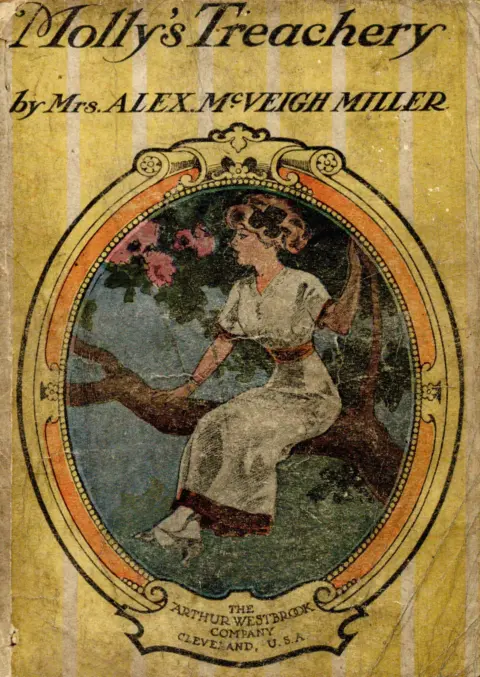
Alex. McVeigh, Mrs. Miller
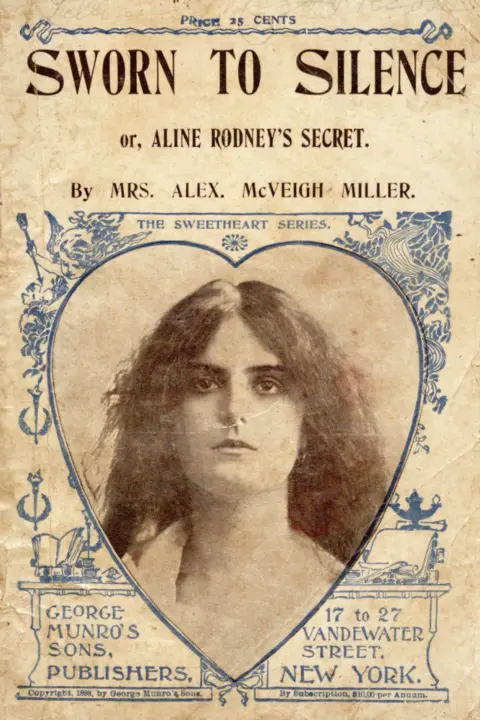
Alex. McVeigh, Mrs. Miller
BEHIND THE BOOK
This eBook is for the use of anyone anywhere in the United States and most other parts of the world at no cost and with almost no restrictions whatsoever. You may copy it, give it away or re-use it under the terms of the Project Gutenberg License included with this eBook or online at www.gutenberg.org. If you are not located in the United States, you will have to check the laws of the country where you are located before using this eBook. Read the source licence.
The original source file, including credits and licence, is retained by this library. Request an original-format copy at no charge. Please include the book title and Project Gutenberg identifier #74796.
KEEP YOUR CURIOSITY GOING
Coulson Kernahan

Maurice Baring
Frances Wright
Cécile Tormay

Frederic Jesup Stimson

W. H. P. (William Henry Pope) Jarvis