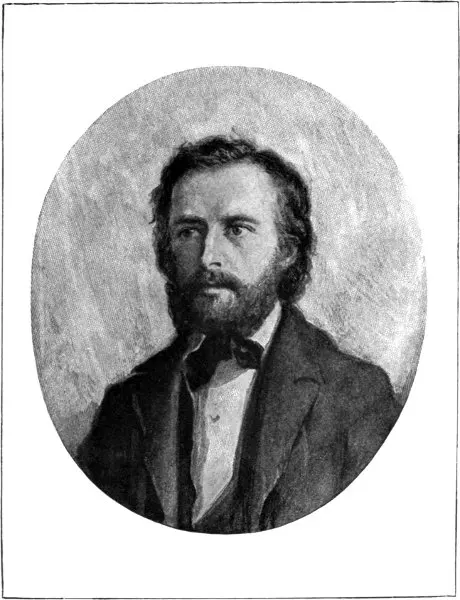
The Riddle of the Universe at the close of the nineteenth century
Ernst Haeckel
THE CLASSIC COLLECTION · 1904
"The Wonders of Life: A Popular Study of Biological Philosophy" by Ernst Haeckel is a scientific publication written in the early 20th century. This work serves as a comprehensive exploration of biological philosophy, building upon the author's earlier work, "The Riddle of the Universe." Haeckel delves into the intricacies of life, the nature of living organisms, and the principles of monistic philosophy, providing insight into biological phenomena and their underpinnings. The beginning of the book introduces the central themes of truth and the pursuit of knowledge, positioning biology within the larger framework of natural philosophy. Haeckel discusses the relationship between science and philosophy, asserting that true understanding emerges from a blend of empirical observation and rational thought. He critiques dualistic theories and emphasizes a monistic approach, promoting the idea that knowledge is inherently tied to physiological processes within the brain. In doing so, he sets the stage for a detailed examination of life, its definitions, and its complexities throughout the remainder of the text.
Introduction adapted from the source catalogue; source summaries may be automatically generated.
Free to read · English · 146,945 words · No account needed
MAKE TIME FOR A GOOD BOOK
On by default. Untick to stop anonymous reading totals. Each page counts after 10 seconds in view. How this works.
Anonymous counting is on unless you have switched it off.
Botanists and zoologists, divergence of, 374.
Brain, as an organ of mind, 25;
evolution of the, 22, 327, 328.
Brownian movement, 260.
Bryophyta, 162.
Budding, 242, 243.
Bunge, as vitalist, 50.
Bütschli on the monera, 31;
on the structure of plasm, 132.
Calymma, the, 270.
Canon law, the, 324, 325.
Carbon assimilation, 34, 130, 212, 213, 342.
Carbon, importance of, 37, 38.
Caryokinesis, 139, 267.
Caryolymph, 141, 142.
Caryolysis, 268.
Child, mind of the, 90, 323.
Child-soul, study of the, 20.
Children, destruction of incurable, 21, 120.
Chitine, 282.
Chlorophyll, 33, 141, 195, 214.
Chorology, 95.
Chromacea, 32, 130, 137, 157, 182, 194-197;
description of the, 194;
structure of the, 197.
Chromatella, 33, 343.
Chromatin, 140, 142.
Chromatophora, 33, 343.
Chromoplasts, 141, 196.
Chroococcacea, the, 32, 182.
Chroococcus, 32, 130, 182, 196, 197, 208.
Ciliary movement, 272, 276.
Circulation of the blood, 228.
Civilization, characteristics of, 58-59;
evils of, 114;
growth of, 334;
modern, 335, 402;
shades of, 401, 408;
stages of, 398;
progress of, 469;
value of, 309.
Civilized races, higher, 397;
life of, 396;
lower, 396;
middle, 396;
mind in, 334.
Cleanliness in antiquity, 464.
Clothing, beginning of, 423;
fashions in, 430.
Cnidaria, 224;
generation of the, 250, 253.
Cœlenteria, 166, 221, 223, 225.
Cœloma, the, 223, 225.
Cœlomaria, 166, 221, 225.
Cœnobia, 160, 161.
Colloids, nature of, 39.
Colon, the, 226.
Coloring methods, 208.
Conjugation, 246.
Consciousness a function of the brain, 331;
development of, 331;
nature of, 19, 23, 290, 291.
Conservatism of governments, 73.
Contact-action, 45.
Copulation, 251.
Cormophyta, 165, 167.
Cormus, 36, 148, 150, 154, 168, 184.
Corset, the, 430.
Cortex of the brain, 12, 323, 327, 329.
Cosmic intelligence, 30;
monism, 37.
Cosmogony, 360.
Cosmokinesis, 266.
Craniota, mind in the, 326.
Creationism, 337.
Crustacea, parasitic, 237.
Crystals, 41;
forms of, 172;
growth of, 42, 43;
life of, 41;
and organisms compared, 35, 40, 41, 43, 44;
reproduction of, 44.
Crystallization, 265, 266.
Crystalloids, nature of, 39.
Culmus, the, 165, 183.
Cultivated races, definition of, 397;
higher, 400;
lower, 398;
middle, 399.
Custom, tyranny of, 421.
Cuticle, 146.
Cyanogen, 346.
---- theory, 347.
Cytodes, 33, 157, 192, 194.
Cytology, 128, 190.
Cytophyta, 220.
Cytoplasm, 35, 122, 138, 139, 142, 158, 191.
Cytosoma, 122, 138.
Cytotheca, 145.
Cytula, 244.
Darwin on the origin of life, 338.
Darwinism, 50, 80, 361, 363, 364, 373.
De Bries on heredity, 373.
Death, nature of, 98;
of the unicellulars, 99;
of the histona, 100;
real cause of, 101;
total and partial, 105.
Decomposability of plasm, 345.
Descartes' idea of the soul, 16, 18.
Descriptive science, 4, 5, 6.
Design, argument for, 388.
Dialysis, 39.
Diatomes, 41, 182.
Diclinism, 247.
Diœcia, 248.
Disassimilation, 212.
Disease, nature of, 106.
Dissogony, 252.
Division of labor, 35;
in the cell, 143, 158;
in the organism, 149, 167;
in the state, 150, 169.
Divorce, 428, 429.
Dogmatic sciences, 470.
Dominants, the, of Reinke, 264.
Driesch, as vitalist, 51.
Dualism, 81, 91, 433.
Dualistic view of life, 337, 348, 366;
of the mind, 332;
of morality, 411;
of sensation, 446, 447.
Dumas, Louis, as vitalist, 47.
Duty an evolved sense, 413.
Dwarf races, 422.
Dynamism, 85, 110.
Ear, canals in the, 311;
the, 312.
Echinoderms, motor organs of the, 279-281.
Ectogenesis, 369.
Education, reform of, 471;
struggle over, 465.
Egoism, 115, 403;
and altruism, 419.
Elasticity, 310.
Eleatic philosophers, the, 66.
Electric organs, 313.
Electricity, sensation of, 312, 313.
Elements, chemical, 37, 38.
Embryo, legal view of the, 325, 326;
mind in the, 325.
Embryology, 20, 21;
mechanical, 383.
End of life, 387.
Energism, 85.
Energy as attribute of substance, 446, 449;
definition of, 449.
Enzyma, 46, 128.
Epicureanism, 83.
Epitelia, 163.
Epithelium, ciliated and flagellated, 276.
Erect posture, the, 285.
Ergology, 95.
Ergonomy, 35, 150.
Erotic chemotropism, 306.
Eternity hypothesis of life, 338.
Ethic, the perfect, 400.
Ethics, 411.
Eucharist, the, 426.
Excretion, 232, 233.
Experience, importance of, 3, 4.
Experiment, limited use of, 352, 353, 383;
nature of, 7, 8.
Experimental science, 4, 8.
Extension, 446, 448.
Eye, the, 298;
evolution of, 298, 299.
Faith, 437, 439;
natural and supernatural, 54.
Family, evolution of the, 402.
Fashion, 422.
Fechner on sensation, 295;
on the universality of life, 340.
Feeling, 296, 308.
Fetichism, 57, 58.
Filar theory of plasm, 134.
Fistella, 344.
Flagelliform movement, 271, 276.
Flame, analysis of the, 28.
Flat-fishes, metamorphosis of, 178.
Flechsig, discoveries of, 13.
Flemming on the structure of plasm, 113.
Food, artificial production of, 400.
Forms of organic structure, 173-184.
Frommann on plasm, 133.
Your reading position is saved on this browser. Take it to another device with a library code. Reading pages adapt to text, rather than matching a printed edition.
BEHIND THE BOOK
This eBook is for the use of anyone anywhere in the United States and most other parts of the world at no cost and with almost no restrictions whatsoever. You may copy it, give it away or re-use it under the terms of the Project Gutenberg License included with this eBook or online at www.gutenberg.org. If you are not located in the United States, you will have to check the laws of the country where you are located before using this eBook. Read the source licence.
The original source file, including credits and licence, is retained by this library. Request an original-format copy at no charge. Please include the book title and Project Gutenberg identifier #46652.
KEEP YOUR CURIOSITY GOING

David Patterson (Spirit) Hatch
Coulson Kernahan

Ralph Waldo Emerson
Frances Wright

Edwin Abbott Abbott

Joseph Droz