The black barque
T. Jenkins (Thornton Jenkins) Hains
THE CLASSIC COLLECTION · 1894
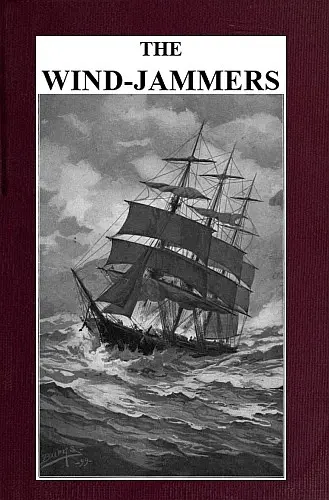
"The Wind-Jammers" by T. Jenkins Hains is a novel written in the late 19th century. The story appears to center around the life of sailors navigating the treacherous waters around Cape Horn, showcasing their adventures, the conflicts, and the tough conditions they face at sea. The narrative features characters involved in shipbuilding, naval battles, and the rough camaraderie of life aboard a ship. The opening portion of the novel begins with the narrator, a young boy, reflecting on his experiences working in a shipyard and his family's involvement in maritime affairs during a time of war. The focus shifts to the launch of a new frigate named 'Randolph', and the narrative unfolds around the young protagonist's desire to join the crew. We are introduced to various characters, including his father and the figure of Mr. Robinson, who becomes a significant person in the boy's life, particularly as the tensions of war and the responsibilities of naval life begin to take shape. The story promises themes of bravery, adventure, and betrayal, setting the stage for further high-seas drama.
Introduction adapted from the source catalogue; source summaries may be automatically generated.
Free to read · English · 68,128 words · No account needed
MAKE TIME FOR A GOOD BOOK
On by default. Untick to stop anonymous reading totals. Each page counts after 10 seconds in view. How this works.
Anonymous counting is on unless you have switched it off.
“About what?” asked Enlis, trying to look utterly lost.
“About that gal and the money, blast you!”
“Oh!” exclaimed Mr. Enlis, as if a sudden light had flooded the dark recesses of his brain. He remained silent.
“Well, what?” asked the skipper, in real anger.
“I dunno,” said Mr. Enlis, after a long pause. “’Pears to me I wouldn’t let on nothing about it. Mum’s the word, says I.”
“But the money, you swab?” growled the skipper.
“To be sure,” said Enlis. “The money.”
“Well?”
“Well, you might ask the police about the money on the quiet like,”
ventured the mate.
“Suppose you and Garnett go ashore and see about it without making any fuss. Garnett is a good one for such matters. It would hardly do for me, seeing as how I stand in the matter of husband.”
“Egg-zactly; we’ll do it right away;” and the mate hastened forward to take advantage of the opportunity.
Garnett and Enlis went ashore with what money they could get, and they entered a description of the missing stewardess with the police. “An old hag with side whiskers, having a wart under her left eye and all her teeth gone,” said Garnett, as he finished. “An’ I hopes you’ll soon find her,” he added, with a leer at the official. “Ye’ll know her by the way she swears.”
Several hours afterwards two exceedingly happy and drunken sailor-men staggered down the street towards the landing. A beggar accosted them, but after a search for coin, they protested they were cleaned out.
“Don’t make no difference. Give me clothes,” whined the mendicant.
“I’d give ye anything, me boy, for a weight is off my mind. Was ye ever married?” cried Garnett.
“Give the pore fellow clothes, Garnett, you swine!” roared Enlis.
Garnett staggered against a house and undid his belt. Then with much trouble he drew off his trousers and stood with his white legs glistening in the moonlight.
“Here, pore fellow. You are a long-shore swab, but I knows by your look ye are married. Take them, blast ye!” And he flung his trousers from him. “This bean-swillin’ mate is too mean to give ye anything.”
“Not I!” bawled Enlis, casting off his belt. “Here, you swivel-eyed land-crab;” and he drew off his trousers likewise and handed them to the beggar.
“Thanky,” hissed the creature, and ran away.
The men in the boat looked up the street towards where they heard singing, and they beheld two very drunken men in flowing jumpers staggering trouserless along, while their voices roared upon the quiet night,--
Your reading position is saved on this browser. Take it to another device with a library code. Reading pages adapt to text, rather than matching a printed edition.
T. Jenkins (Thornton Jenkins) Hains
T. Jenkins (Thornton Jenkins) Hains
T. Jenkins (Thornton Jenkins) Hains
BEHIND THE BOOK
This eBook is for the use of anyone anywhere in the United States and most other parts of the world at no cost and with almost no restrictions whatsoever. You may copy it, give it away or re-use it under the terms of the Project Gutenberg License included with this eBook or online at www.gutenberg.org. If you are not located in the United States, you will have to check the laws of the country where you are located before using this eBook. Read the source licence.
The original source file, including credits and licence, is retained by this library. Request an original-format copy at no charge. Please include the book title and Project Gutenberg identifier #55274.
KEEP YOUR CURIOSITY GOING
Coulson Kernahan

Maurice Baring
Frances Wright
Cécile Tormay

Frederic Jesup Stimson

W. H. P. (William Henry Pope) Jarvis