THE CLASSIC COLLECTION✦The Star of IndiaCLASSIC FREE BOOKS
The Star of India
Edward Sylvester Ellis
THE CLASSIC COLLECTION · 1877
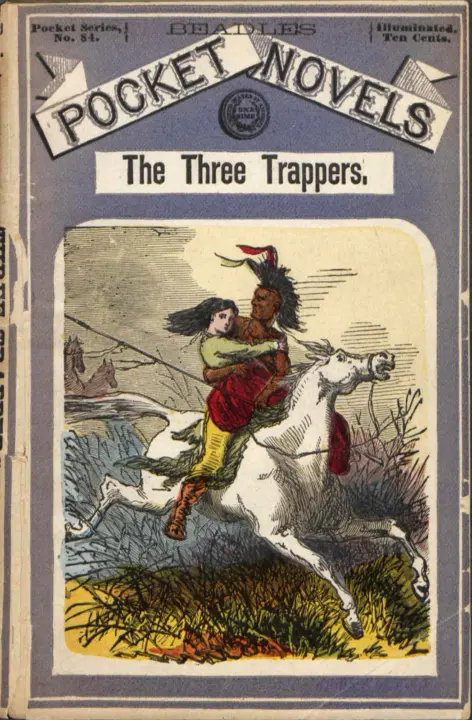
"The Three Trappers; or, The Apache Chief's Ruse" by Seelin Robins is a novel written in the late 19th century. The story follows Fred Wainwright, a young hunter navigating the dangers of the American frontier as he encounters hostile Comanche Indians and seeks refuge with a pair of seasoned trappers, George Harling and Ward Lancaster. This narrative is poised to delve into themes of survival, camaraderie, and the adventures that come with trapping and exploring the untamed landscapes of the West. The opening of the novel introduces Fred Wainwright as he experiences a tense moment while surveying the prairie, fearing an impending encounter with Comanche Indians. After a successful but narrow escape from his pursuers, he inexplicably falls into the company of two friendly trappers who offer him refuge. The narrative then shifts to illustrate the personalities of these trappers, setting the stage for a deeper exploration of their adventures together and the challenges they face while navigating through hostile territories, including potential confrontations with the Apache tribe and the fortuitous encounter with an emigrant party. As relationships begin to develop, particularly with the mention of a mysterious young woman, the story hints at emotional entanglements alongside the physical challenges of frontier life.
Introduction adapted from the source catalogue; source summaries may be automatically generated.
Free to read · English · 28,166 words · No account needed
MAKE TIME FOR A GOOD BOOK
On by default. Untick to stop anonymous reading totals. Each page counts after 10 seconds in view. How this works.
Anonymous counting is on unless you have switched it off.
“Come, George, isn’t that steak done yet?” inquired the impatient Lancaster. “It strikes me that it has just got the color to insure a good taste. What do you think Fred?”
“I’m hungry enough to make anything taste good to me, stewed, fried or
raw.”
“Now just keep easy,” replied Harling. “When the meat is ready you shall have it—not before—no matter how hungry you are.”
“Woofh!” exclaimed Lancaster, “if I get much hungrier, I’ll eat the meat up and take you by way of dessert. So hurry up, will you?”
Not the least attention did the imperturbable cook pay to the murmurings of those around. He turned the meat around as slowly and carefully as ever, and when it had reached the point when Lancaster declared it was “spoiled” he removed it from its perches, served it into three equal slices, and announced that it was ready.
So it proved—rich, steamy, juicy and tender, so that it fairly melted in their mouths. No sooner did it touch their palates, than they inwardly thanked the cook for resisting their importunities, and furnishing them with such a choice morsel. They thanked him inwardly, we say, but, as might be expected, each took particular good care to say nothing about it.
But Harling saw his advantage and followed it up.
“You’re a couple of purty pups, aint you? Don’t know what’s best for you. If it wasn’t for me, you’d both starve to death.”
“Get out!” replied Lancaster, “let other people brag up your cooking; don’t do it yourself.”
“There’s no one in this crowd got gratitude to thank me after I’ve crammed their mouths for them.”
“Then I wouldn’t do it myself,” laughed Fred Wainwright.
“Yes, I shall too, for it deserves it, and it’s time you learned to say
so.”
“Hang it,” cried Lancaster, pretending to have great difficulty in tearing the meat asunder; “if this piece hadn’t been cooked so long, it would be fit for a white man to eat, but as it is, it is enough to tear my teeth out.”
“’Cause you’re making such a pig of yourself. Try and eat like a civilized being, and you’ll find it tender enough for an infant.”
“How do you find it Fred?” turning toward their younger companion.
“I can manage to worry down a little.”
“I should think you could!” was the indignant comment of the cook, as his friends swallowed the last mouthful.
Your reading position is saved on this browser. Take it to another device with a library code. Reading pages adapt to text, rather than matching a printed edition.
Edward Sylvester Ellis
Edward Sylvester Ellis
Edward Sylvester Ellis
Edward Sylvester Ellis
BEHIND THE BOOK
This eBook is for the use of anyone anywhere in the United States and most other parts of the world at no cost and with almost no restrictions whatsoever. You may copy it, give it away or re-use it under the terms of the Project Gutenberg License included with this eBook or online at www.gutenberg.org. If you are not located in the United States, you will have to check the laws of the country where you are located before using this eBook. Read the source licence.
The original source file, including credits and licence, is retained by this library. Request an original-format copy at no charge. Please include the book title and Project Gutenberg identifier #66309.
KEEP YOUR CURIOSITY GOING
Coulson Kernahan

Maurice Baring
Frances Wright
Cécile Tormay

Frederic Jesup Stimson

W. H. P. (William Henry Pope) Jarvis