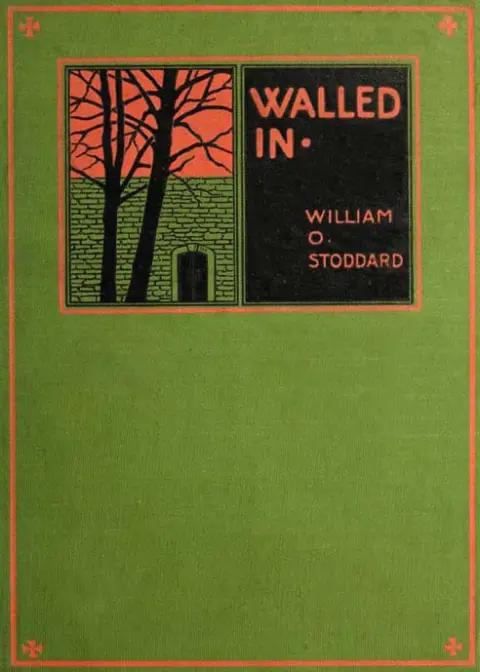
Walled In: A True Story of Randall’s Island
William O. Stoddard
THE CLASSIC COLLECTION · 1882
"The Talking Leaves: An Indian Story" by William O. Stoddard is a historical novel written in the late 19th century. Set against the backdrop of Native American life and the encroachment of white settlers, it focuses on characters like Ni-ha-be, the daughter of an Apache chief, and her adopted sister Rita, who explore themes of cultural identity and the impact of outside influences on indigenous communities. At the start of the story, we are introduced to Ni-ha-be and Rita as they witness a gathering of Apache warriors while on a ride in the mountains. The excitement builds when they discover “talking leaves” (magazines) left behind by a group of white soldiers, igniting Rita’s curiosity and stirring entrenched feelings regarding their identities. The girls must navigate the complexities of their connection with both the Apache culture and their white origins, which sets the stage for their unfolding adventure amid the tensions between the two worlds. As they present the talking leaves to Ni-ha-be’s father, Many Bears, their discovery hints at larger conflicts and cultural intersections that are central to the narrative.
Introduction adapted from the source catalogue; source summaries may be automatically generated.
Free to read · English · 66,194 words · No account needed
MAKE TIME FOR A GOOD BOOK
On by default. Untick to stop anonymous reading totals. Each page counts after 10 seconds in view. How this works.
Anonymous counting is on unless you have switched it off.
"Where is it, then?" said Bill.
"The first river we forded was the north fork of the Yaqui, and this is the other fork. When we're on the other bank of that, we're in Mexico. We can go in any line we please then."
The whole band broke out into a chorus of cheers.
Whatever may have been their reason for wishing to get out of the United States, particularly that part of it, it must have been strong enough to make them anxious. They were not contented for a moment until this second "fork" was also forded.
"Cap," asked Bill, "is this Mexico, all around here?"
"I believe it is."
"Then don't you think we'd better go for a few Mexican deer? It's nigh
breakfast time."
It would be necessary to hunt for something unless they were to starve. A good place for a camp was selected, the weary horses were unsaddled, all but the half dozen ridden by the hunters, and then the hungry miners could at last find time to "wonder if the Lipans are looking round that prairie after us."
"They won't find us," said Captain Skinner. "Start your fires, boys, I heard a rifle. One of them has struck his game quick."
So he had, but it was a queer kind of "Mexican deer." It had long, smooth, sharp horns and a long tail, and when the miners came to carve that venison one of them said,
"Boys, it's the first beef we've had in two months."
"Cap," said another, "do you reckon thar's a cattle ranch around here?"
"Not so near the Apache range as this is."
"How came this critter here, then?"
"I kin tell you," said the miner who had shot that tall, long-legged, long-horned Mexican steer. "Thar was more of 'em. Wild as buffler. This one wasn't even branded. They're just no man's cattle, they are."
"That's it," said Captain Skinner. "There are plenty of stray herds hereaway without any owner. The natives kill them whenever they want beef, just as we've killed this one. It isn't the best kind of eating, though. I'd rather look for a little deer-meat by-and-by."
Wild beef was better than nothing at all, however, and a busy lot of cooks were they for a long time after the first pieces of it were brought in.
They could talk, too, as well as eat, and the result of all their discussion was that they would do precisely as Captain Skinner had advised at the beginning of it.
Your reading position is saved on this browser. Take it to another device with a library code. Reading pages adapt to text, rather than matching a printed edition.
William O. Stoddard
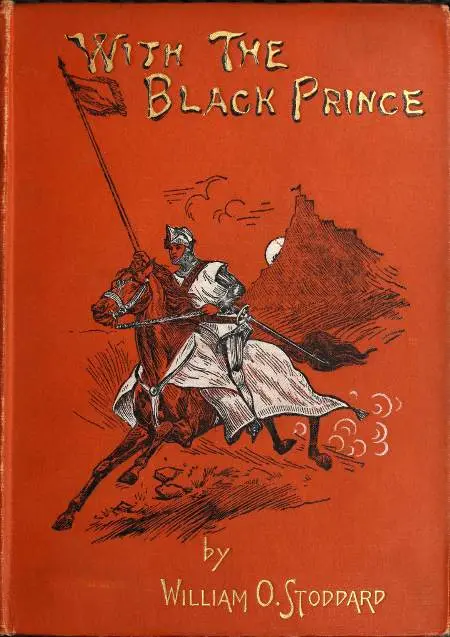
William O. Stoddard
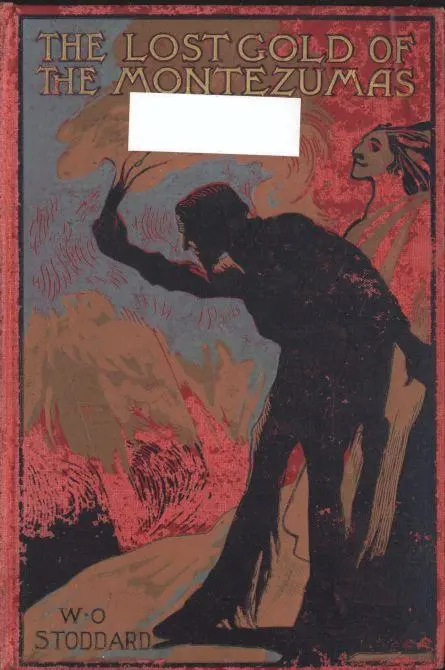
William O. Stoddard
William O. Stoddard
BEHIND THE BOOK
This eBook is for the use of anyone anywhere in the United States and most other parts of the world at no cost and with almost no restrictions whatsoever. You may copy it, give it away or re-use it under the terms of the Project Gutenberg License included with this eBook or online at www.gutenberg.org. If you are not located in the United States, you will have to check the laws of the country where you are located before using this eBook. Read the source licence.
The original source file, including credits and licence, is retained by this library. Request an original-format copy at no charge. Please include the book title and Project Gutenberg identifier #21913.
KEEP YOUR CURIOSITY GOING
Cécile Tormay

Moritz Busch
Coulson Kernahan
John L. Ransom

Maurice Baring
Frances Wright