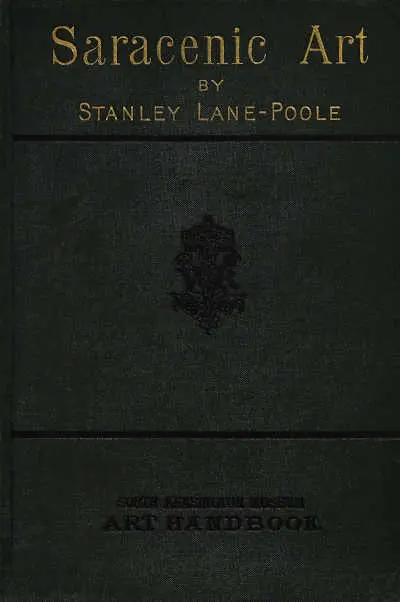
The art of the Saracens in Egypt
Stanley Lane-Poole
THE CLASSIC COLLECTION · 1906
The story of Cairo by Stanley Lane-Poole is a historical account written in the early 20th century. It traces Cairo’s making as a resolutely medieval Islamic city, interweaving urban growth, monuments, and daily life with art and architectural analysis. The focus moves from Fustat through Fatimid and Mamluk Cairo, contrasting the enduring “native” city with its newer European veneer.
The opening of the work presents Cairo as medieval in spirit despite modern reforms, voices the Cairene’s nostalgia for Mamluk days, and states the aim: to surround surviving buildings with the history and lives that gave them meaning rather than write a general history. It lists key Arabic sources, notes transliteration and illustration choices, and praises efforts to preserve Arab monuments. Chapter I contrasts European and Egyptian Cairo through street vignettes, wedding and circumcision processions, and bazars that evoke the Arabian Nights; it lingers on the conservative tradesman—his stall, bargaining rituals, and courtyard house with mashrabiyya screens, mandara, and segregated harim—then sketches men’s routines, women’s seclusion and visits, and festival life, especially the dazzling Molid of the Hasaneyn; a final panorama from the Citadel surveys domes, minarets, and the desert-pyramid horizon. At the start of Chapter II, the narrative outlines the city’s successive foundations (Fustat, al-‘Askar, al-Katai‘, al-Qahira), Saladin’s enclosing plan, and the Arab conquest eased by Coptic-Greek schism; it recounts Fustat’s “tent” legend, describes the austere origins and many rebuildings of the Mosque of ‘Amr, and notes that while Fustat lies in ruins, the Roman fortress of Babylon endures.
Introduction adapted from the source catalogue; source summaries may be automatically generated.
Free to read · English · 91,102 words · No account needed
MAKE TIME FOR A GOOD BOOK
On by default. Untick to stop anonymous reading totals. Each page counts after 10 seconds in view. How this works.
Anonymous counting is on unless you have switched it off.
Emīr Akhōr [Ḳāny Bek].
Ezbek ibn Tutush, 295.
Ezbek el-Yūsufy, 249, 250.
Fakahāny, 159, 298.
Farag [Barḳūḳ].
Felek, Ibn-el-, 259.
Ga‘bary, 259.
Ghāzy, Ibn, 258.
Ghurāb, Ibn, 259.
Ghūry, 253.
Guyūshy, 139.
Ḥākim, 107, 126, 137-9 (q.v.).
Ḥasan, 190, 224, 228-37, 245, 284, 306.
Ḥasaneyn, 128, 181-185.
Ḥigāzīya, 224.
Ḥoseyn, emīr, 224.
Ibrāhīm Aga (Aḳsunḳur), 227, 298.
Ismā‘īly [Arghūn].
Ḳagmās, 250, 311.
Ḳā’it-Bey, 242-9, 284, 285.
Ḳalā’ūn, 212, 245, 283, 285.
Ḳalendarīya, 259.
Kāmilīya, 196.
Ḳāny Bek, emīr Akhōr, 250.
Ḳarāfa, 133, 134.
Keymakhty, 259.
Khaṭīry, 258.
Kheyr Bek, 250.
Khilāṭy, 259.
Ḳūṣūn, 224, 283, 296.
Maghraby, Ibn-el-, 259.
Maḥmūdīya, 289.
Maḳs, 141, 189, 260.
Mangak, 224.
Māridāny, 224, 283-5, 314.
Mihmandār, 224.
Miska, Sitta, 224.
Moḥammad ‘Aly, 301.
Moḥammad Bey, 300.
Mu’ayyad, 232, 250, 284-5, 297, 311.
Muzhir (Mazhar) Abū-Bekr ibn, 250, 285, 309-311.
Nāṣir in Citadel, 179, 223.
„ Naḥḥāsīn, 220, 223.
Naṣr, 259.
Nefīsa, Seyyida, 202, 206, 223, 300.
Rāshida, 141.
Ṣāliḥ Ayyūb, 212, 282.
Ṣāliḥ Ṭalāi‘.
Ṣarghitmish, 224.
Ṣārim, Ibn-, 259.
Sāriyat-el-Gebel, 185.
Sārūgā, 259.
Sennānīya, 301.
Sengar el-Gāwaly, 224.
Seyf-ed-dīn, 185.
Shāfi‘y, Imām, 184, 225, 296, 298, 300.
Shem, 129.
Sheykhū, 224, 284.
Ṭabbākh, Ibn-eṭ, 258.
Ṭalāi‘ ibn Ruzzīk, 163, 167.
Ṭawāshy, 258.
Ṭaybars, 217, 299.
Ṭulbīya, 215.
Ṭūlūn, Aḥmad ibn, 77-86 [q.v.].
Yūnus, 258, 259.
Ẓāhir [Beybars].
Zeyneb, Seyyida, 185, 299.
Zeyn-ed-dīn Yaḥyā, 311.
[See also Table of Monuments, pp. 317-22].
Mu’ayyad, el-, Mamlūk sultan, 238; mosque, 10, 126, 232, 250, 284,
285, 297, 298, 311.
Mudarrag [Bāb].
Muedhdhin or Muezzin (prayer crier), 43.
Muḳaṭṭam, el-, hills, 41, 42, 59, 65, 88, 121, 134, 142, 175, 219.
Muḳawḳis, el-, Roman governor of Egypt, 37-39.
Mule, Convent of the, 219.
Murād Bey, 43, 44.
Mūsā el-‘Abbāsy, governor, 67.
Muṣallā-l-‘Id (oratory of the Festival), 141.
Musebbiḥy, el-, author, 99, 100.
Museum of Arab Art, 85, 138, 163, 282, 304, 305, 312.
Museum, British, 272, 273.
„ South Kensington, 272, 282, 283.
Music, 102.
Musky street, 6, 126.
Mustanṣir, el-, Fāṭimid caliph, 144-154, 259.
Mutanebby, el-, poet, 100.
Mutawelly, Ḳuṭb el-, 10 [Bāb-Zuweyla].
Muwaffaḳ, el-, ‘Abbāsid, 86.
Muzhir (Mazhar), Abū-Bekr ibn, Ḳāḍy, mosque, 250, 285, 309-311.
Naḥḥāsīn [Sūḳ].
Narthex, 54.
Nāṣir, en-, title of Saladin, 176.
Nāṣir, en-, Moḥammad, Mamlūk sultan, 90, 204, 209-228; mosque in Citadel, 179, 223; mosque in Naḥḥāsīn, 220, 223; artistic epoch, 279, 282, 284.
Nāṣir, en-, pool of, 217.
Nāṣir-i-Khusrau, philosopher and traveller, 83, 107-110, 127, 129,
132, 144, 145.
Naṣr [Bāb, Ḳubba].
Naṣr ibn ‘Abbās, 158.
Nefīsa, Seyyida, 202, 206, 223, 300.
Nestorius, Ibn, Fāṭimid vezīr, 122.
Niche of mosque [Miḥrāb].
Night of the Bath, 95.
Nikiu, John, bishop of, 35.
Nile, change of bed, 107, 257, 259; festivals, 95, 96, 132, 146.
Nilometers, 61, 85, 96, 147; mosque of, 253.
Niẓām-el-mulk, Seljūḳ vezīr, college of, 190.
Nubians, 35, 36, 62.
Nūr-ed-dīn, sultan of Damascus, 167, 190, 191, 198.
‘Okba, 185.
Old Cairo [Maṣr-el-‘Atīḳa].
‘Omar, caliph, 34, 40.
‘Omar, secretary, 67.
‘Omāra, poet, 160.
Omayyads [caliphs].
On, 49 [Heliopolis].
Osāma, treasurer, 96.
Osāma ibn Munkidh, Arab chief, 158.
‘Othmān Bey Dhū-l-Fiḳār, 289, 290.
‘Othmān Ketkhudā, 299.
‘Othmānly (Osmānli, Ottoman) Turks, 49, 206; mosques, 298-301.
Palaces, Fāṭimid, 126-8, 130, 131, 160; Mamlūk, 223, 270, 274, 288-290; Ṭūlūnid, 75, 76, 87, 88.
Patriarchs, 37, 38, 61, 62, 121, 122, 219.
Paulus Ageminius, 280.
Pavilions, 88, 127, 139.
Pelusium, 34.
Perfumes, 102, 134, 273.
Your reading position is saved on this browser. Take it to another device with a library code. Reading pages adapt to text, rather than matching a printed edition.
Stanley Lane-Poole
Stanley Lane-Poole
Stanley Lane-Poole & J. D. Jerrold (James Douglas Jerrold) Kelley
BEHIND THE BOOK
This eBook is for the use of anyone anywhere in the United States and most other parts of the world at no cost and with almost no restrictions whatsoever. You may copy it, give it away or re-use it under the terms of the Project Gutenberg License included with this eBook or online at www.gutenberg.org. If you are not located in the United States, you will have to check the laws of the country where you are located before using this eBook. Read the source licence.
The original source file, including credits and licence, is retained by this library. Request an original-format copy at no charge. Please include the book title and Project Gutenberg identifier #78916.
KEEP YOUR CURIOSITY GOING

Charles G. (Charles Griffith) Ross
Hannah Webster Foster

Emily Lawless
Edwin Hamlin Carr

Charles De Lano Hine
Andrew Ure