
The Writing of News A Handbook with Chapters on Newspaper Correspondence and Copy Reading
Charles G. (Charles Griffith) Ross
THE CLASSIC COLLECTION · 1913
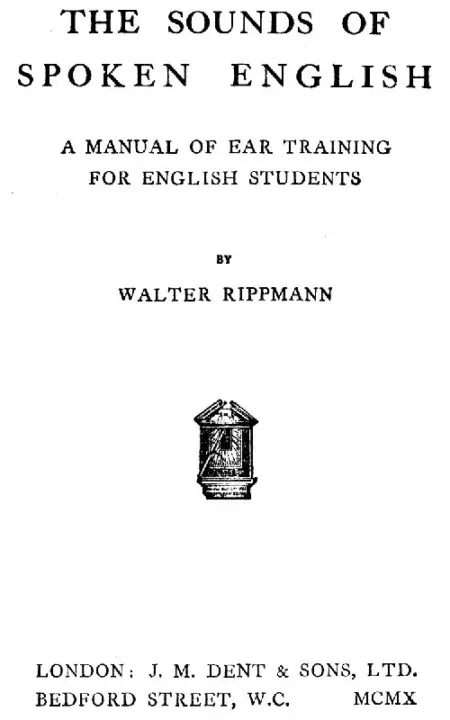
"The Sounds of Spoken English: A Manual of Ear Training for English Students" by Walter Rippmann is a phonetics guide written in the early 20th century. This manual focuses on the articulation and perception of English speech sounds, aiming to improve pronunciation skills for both native speakers and teachers of foreign languages. It seeks to provide a structured understanding of how sounds are produced, represented, and understood in spoken English. The opening of the work establishes the author’s intent to offer a straightforward yet insightful exploration of English pronunciation, acknowledging the complexities of the language and the common difficulties faced by learners. Rippmann addresses the importance of ear training in understanding and producing the distinct sounds of English, asserting that before one can master a foreign language, a strong grasp of the sounds of their mother tongue is essential. The text emphasizes that improving pronunciation is not merely about imitation but requires a clear understanding of how English speech operates and how to teach it effectively.
Introduction adapted from the source catalogue; source summaries may be automatically generated.
Free to read · English · 32,645 words · No account needed
MAKE TIME FOR A GOOD BOOK
On by default. Untick to stop anonymous reading totals. Each page counts after 10 seconds in view. How this works.
Anonymous counting is on unless you have switched it off.
naive, ´neiv
naiveté, ´neivtei
nauseate, ´nɔːʃjeit
nauseous, ´nɔːʃjes, ´nɔːʃəs
ne'er, ´nɛːə
neither, ´naiðə, ´nijðə
nicety, ´nais(ə)ti
niche, ´nitʃ
nomenclature, no´menklətʃə
noose, ´nuwz, ´nuws
norse, ´nɔːs
nuncio, ´nʌnʃiou
nuptial, ´nʌpʃəl
oasis, ou´eisis
obeisance, o´beisəns
obese, o´bijs
obligatory, ´ɔbligətri, ɔ´bligətri, ɔbli´geitəri
obloquy, ´ɔbləkwi
obsequies, ´ɔbsikwiz
obtuse, ob´tjuws
occult, o´kʌlt
octopus, ´ɔktəpəs, ɔk´toupəs
oligarchy, ´ɔligɑːki
omniscient, ɔm´niʃənt, -si-
onerous, ´ɔnərəs
onomatopeia, ɔnəmətə´piːə
operative, ´ɔpərətiv, ´ɔpəreitiv
orchestral, ɔː´kestrəl, ´ɔːki-
ordeal, ɔː´diːəl
organization, ɔːgəni´zeiʃən, -nai-
orison, ´ɔrizən, -s-
ormolu, ´ɔːməluw
ornate, ɔ´neit
osier, ´ouʒə
oust, ´aust
pageant, ´peidʒənt, ´pædʒənt
palaver, pə´lɑːvə
palfrey, ´pɔːlfri (´pælfri)
panacea, pænə´siːə
panegyric, pæni´dʒirik
pan(n)ier, ´pænjə
papyrus, pə´pairəs
paradigm, ´pærədaim
paraffine, ´pærəfin
pariah, ´pɛːrjə
parochial, pə´roukjəl
parvenu, ´pɑːvənju
pastel, pæ´stel, ´pæstəl
pastille, pæ´stijl, ´pæstil
patent, ´peitənt (´pætənt)
pathos, ´peiθɔs
patois, ´pætwɑː
patrimony, ´pætriməni
patron, ´peitrən
patronage, ´pætrənidʒ, ´peitrənidʒ
patronize, ´pætrənaiz, ´peitrənaiz
peccavi, pe´keivai
pedagogue, ´pedəgɔg
pedagogy, ´pedəgɔdʒi, -gi
perquisite, ´pəːkwizit
petard, pi´tɑːd
phaeton, ´feitən
phalanx, ´feilæŋks, ´fælæŋks
phlegmatic, fleg´mætik
piazza, pi´ætsə
piquant, ´pijkənt
pique, ´pijk
piteous, ´pitjəs (´pitʃəs)
placard, ´plækɑːd
plaid, ´plæd, ´pleid
plait, ´plæt
plebiscite, ´plebisait
plenary, ´plijnəri
plenteous, ´plentjəs (´plentʃəs)
plethora, ´pleθərə
plethoric, ´pleθərik
plover, ´plʌvə
poignant, ´pɔinjənt
poignard, ´pɔnjəd
pomade, po´meid, po´mɑːd
pommel, ´pʌməl
pongee, ´pɔndʒi
porpoise, ´pɔːpəs
posthumous, ´pɔstjuməs
potsherd, ´pɔtʃəːd
precedence, pri´sijdəns
precedent, ´presidənt
predatory, ´predətri
prelate, ´prelət
prelude, ´preljuwd
premature, ´premətjuə, ´prijmətjuə
premier, ´prijmjə (´premjə)
premise (subst.), ´premis
premise (verb), pri´maiz
presage, ´presidʒ
prescience, ´preʃəns, -si-
prestige, pre´stijʒ
primer, ´primə, ´praimə
pristine, ´pristain, ´pristin
privacy, ´praivəsi, ´privəsi
profligacy, ´prɔfligəsi
prophecy, ´prɔfisi
prophesy, ´prɔfisai
puisne, ´pjuwni
puissant, ´pwijsənt
pumice, ´pʌmis
purloin, pəː´lɔin
purport, ´pəːpət
quagmire, ´kwægmaiə
quandary, ´kwɔndəri, -´dɛːri
quarantine, ´kwɔrəntijn
quay, ´kij
queue, ´kjuw
quiescent, kwai´esənt
quinine, kwi´nijn
quoif, ´kɔif
quoit, ´kɔit
quoth, ´kwouθ
Your reading position is saved on this browser. Take it to another device with a library code. Reading pages adapt to text, rather than matching a printed edition.
BEHIND THE BOOK
This eBook is for the use of anyone anywhere in the United States and most other parts of the world at no cost and with almost no restrictions whatsoever. You may copy it, give it away or re-use it under the terms of the Project Gutenberg License included with this eBook or online at www.gutenberg.org. If you are not located in the United States, you will have to check the laws of the country where you are located before using this eBook. Read the source licence.
The original source file, including credits and licence, is retained by this library. Request an original-format copy at no charge. Please include the book title and Project Gutenberg identifier #47382.
KEEP YOUR CURIOSITY GOING
Charles G. (Charles Griffith) Ross
Hannah Webster Foster

Emily Lawless
Edwin Hamlin Carr

Charles De Lano Hine
Andrew Ure