THE CLASSIC COLLECTION✦The Jerusalem Sinner Saved; or, Good News for the Vilest of MenCLASSIC FREE BOOKS
The Jerusalem Sinner Saved; or, Good News for the Vilest of Men
John Bunyan
THE CLASSIC COLLECTION · 1909
"The Pilgrim's Progress" by John Bunyan is a religious allegory written in the late 17th century. The narrative chronicles the journey of a character named Christian as he seeks salvation and navigates the challenges of life, symbolized by his passage from the City of Destruction to the Celestial City. This work serves as a discourse on the Christian faith, presenting themes such as redemption, perseverance, and the struggle against sin. The opening of the story introduces us to Christian, who is depicted as a man in turmoil, burdened by the weight of sin and the fear of impending judgment. As he reads a book, presumably the Bible, he becomes increasingly distressed about his fate and confides in his family, who largely regard his concerns with disbelief. As Christian sets out on his pilgrimage, he encounters a character named Evangelist, who guides him towards the wicket gate, marking the beginning of his journey to seek salvation. This portion effectively sets the stage for Christian's struggles and the allegorical nature of his quest as he faces various temptations and obstacles along his path.
Introduction adapted from the source catalogue; source summaries may be automatically generated.
Free to read · English · 99,876 words · No account needed
MAKE TIME FOR A GOOD BOOK
On by default. Untick to stop anonymous reading totals. Each page counts after 10 seconds in view. How this works.
Anonymous counting is on unless you have switched it off.
Neither could they, with all the skill they had, get again to the stile that night. Wherefore, at last lighting under a little shelter, they sat down there until daybreak; but, being weary, they fell asleep. Now, there was, not far from the place where they lay, a castle, called Doubting Castle the owner whereof was Giant Despair, and it was in his grounds they now were sleeping; wherefore he, getting up in the morning early, and walking up and down in his fields, caught Christian and Hopeful asleep in his grounds. Then, with a grim and surly voice, he bid them awake, and asked them whence they were, and what they did in his grounds. They told him they were pilgrims, and that they had lost their way. Then said the giant, "You have this night trespassed on me by trampling in and lying on my grounds, and therefore you must go along with me." So they were forced to go, because he was stronger than they. They had also but little to say, for they knew themselves in fault. The giant, therefore, drove them before him, and put them into his castle, into a very dark dungeon, nasty and smelling vilely to the spirits of these two men. Here, then, they lay from Wednesday morning till Saturday night, without one bit of bread or drop of drink, or light, or any to ask how they did; they were, therefore, here in evil case, and were far from friends and people whom they knew. Now, in this place Christian had double sorrow, because it was through his thoughtless haste that they were brought into this distress.
[Sidenote: THE PILGRIMS IN A DUNGEON]
Now, Giant Despair had a wife, and her name was Diffidence. So, when he was gone to bed, he told his wife what he had done; to wit, that he had taken a couple of prisoners and cast them into his dungeon for trespassing on his grounds. Then he asked her also what he had best to do further to them. So she asked him what they were, whence they came, and whither they were bound; and he told her. Then she advised him, that when he arose in the morning, he should beat them without any mercy. So, when he arose, he getteth him a grievous crab-tree cudgel, and goes down into the dungeon to them, and there first fell to abusing them as if they were dogs, although they never gave him a word of distaste. Then he falls upon them, and beats them fearfully, in such sort that they were not able to help themselves, or to turn them upon the floor. This done, he withdraws and leaves them there to sorrow over their misery and to mourn under their distress. So all that day they spent their time in nothing but sighs and bitter grief. The next night she, talking with her husband about them further, and understanding that they were yet alive, did advise him to tell them to make away with themselves. So, when morning was come, he goes to them in a surly manner, as before and, perceiving them to be very sore with the stripes that he had given them the day before, he told them that, since they were never like to come out of that place, their only way would be forthwith to make an end of themselves, either with knife, halter, or poison: "For why," said he, "should you choose life, seeing it is attended with so much bitterness?" But they desired him to let them go. With that, he looked ugly upon them, and rushing to them, had doubtless made an end of them himself, but that he fell into one of his fits (for he sometimes, in sunshiny weather, fell into fits), and lost for a time the use of his hands, wherefore he withdrew, and left them as before to consider what to do. Then did the prisoners consult between themselves, whether it was best to take his advice or no; and thus they began to discourse:
Your reading position is saved on this browser. Take it to another device with a library code. Reading pages adapt to text, rather than matching a printed edition.
John Bunyan
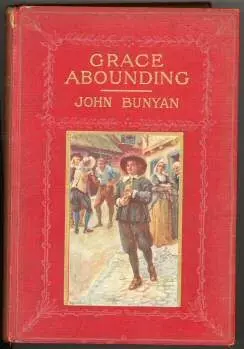
John Bunyan
John Bunyan
BEHIND THE BOOK
This eBook is for the use of anyone anywhere in the United States and most other parts of the world at no cost and with almost no restrictions whatsoever. You may copy it, give it away or re-use it under the terms of the Project Gutenberg License included with this eBook or online at www.gutenberg.org. If you are not located in the United States, you will have to check the laws of the country where you are located before using this eBook. Read the source licence.
The original source file, including credits and licence, is retained by this library. Request an original-format copy at no charge. Please include the book title and Project Gutenberg identifier #39452.
KEEP YOUR CURIOSITY GOING

David Patterson (Spirit) Hatch

David Patterson (Spirit) Hatch

David Patterson (Spirit) Hatch
Coulson Kernahan

Maurice Baring
Frances Wright